


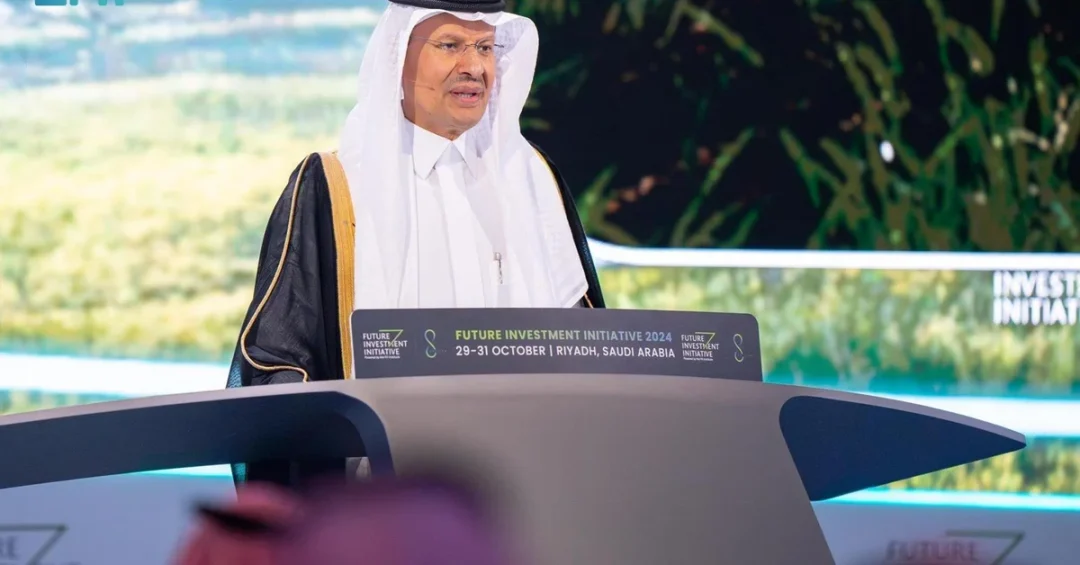
Saudi Minister of Energy Prince Abdulaziz bin Salman bin Abdulaziz outlined the Kingdom’s ambitious plans to reshape its energy sector during the Future Investment Initiative (FII) conference in Riyadh on October 30, 2024. The minister emphasized that the goal is to maximize the value of its resources, diversify the economy, and create jobs, aligning with Saudi Arabia’s long-term strategic priorities.
Context and Background
The minister highlighted the Kingdom’s decades-long commitment to energy development. This includes significant investments in natural-gas sector development and carbon sequestration, which have led to the establishment of major petrochemical industries, industrial cities, and the global giant SABIC. The country has also transitioned from liquid fuels to natural gas for power generation and seawater desalination, enhancing efficiency and sustainability.
Key Details
The Kingdom is poised to become a global hydrogen production and export leader. The minister emphasized the country’s substantial hydrogen export capacity and its role in the corridor project, which aims to supply clean electricity and green hydrogen to the world market. Additionally, the National Renewable Energy Program (NREP) has seen remarkable progress, with the country achieving 44 gigawatts of renewable energy capacity and aiming for an additional 20 gigawatts this year. A massive geographical survey is underway to identify renewable energy sites, and significant investments are being made in gas-based power generation and carbon capture technologies. The Kingdom also is expanding its electricity transmission and distribution networks to ensure reliable and sustainable energy supply across the country.
Implications and Impact
These developments position Saudi Arabia as a global leader in energy innovation and sustainability. The transition to natural gas and renewable energy reduces carbon emissions, while hydrogen exports open new economic pathways. The creation of industrial cities and petrochemical industries, leveraging resources like those from SABIC, drives job creation and economic diversification, reducing dependence on oil revenues and stabilizing the regional economy.
Vision 2030 Alignment
The energy sector transformation is a cornerstone of Vision 2030, which aims to diversify the economy, enhance sustainability, and create employment opportunities. By maximizing resource value through natural gas, hydrogen, and renewables, Saudi Arabia is building a resilient energy future. These efforts support the Kingdom’s goals of reducing carbon footprint, fostering innovation, and securing a leading role in the global energy transition, contributing to long-term prosperity and global stability.
20 Questions
Q1. What did the Minister of Energy announce at the FII conference?
A1. He outlined plans to reshape the Kingdom’s energy sector to maximize resource value, diversify the economy, and create jobs, emphasizing investments in natural gas, hydrogen, and renewables.
Q2. How does natural gas development support economic diversification?
A2. Natural gas investments have enabled major petrochemical industries, like SABIC, and industrial cities, reducing reliance on oil and creating jobs in manufacturing and energy.
Q3. What is the role of carbon sequestration in Saudi Arabia’s plans?
A3. Carbon sequestration helps reduce emissions from industrial processes, supporting sustainability goals and enabling cleaner energy production while maximizing resource use.
Q4. How is the Kingdom transitioning from liquid fuels?
A4. Saudi Arabia has shifted from liquid fuels to natural gas for power generation and seawater desalination, improving efficiency and lowering environmental impact.
Q5. What is the significance of SABIC in this transformation?
A5. SABIC is a global petrochemical giant that creates jobs and drives economic diversification, leveraging natural gas and carbon capture technologies for sustainable production.
Q6. How does the Kingdom aim to lead in hydrogen production?
A6. Saudi Arabia plans to become a global hydrogen leader by exporting green hydrogen and clean electricity through the corridor project, targeting international markets.
Q7. What is the corridor project mentioned by the minister?
A7. The corridor project aims to supply clean electricity and green hydrogen to the world, positioning Saudi Arabia as a key player in global energy exports.
Q8. How does the National Renewable Energy Program (NREP) contribute to job creation?
A8. The NREP’s expansion of renewable capacity—targeting 64 gigawatts—creates jobs in installation, maintenance, and manufacturing, supporting economic diversification.
Q9. What renewable energy capacity has Saudi Arabia already achieved?
A9. The Kingdom has achieved 44 gigawatts of renewable energy capacity, with plans to add 20 gigawatts this year, driving sustainability and job growth.
Q10. How does the geographical survey support energy goals?
A10. The survey identifies optimal sites for renewable energy projects, ensuring efficient deployment and maximizing clean energy generation for economic benefits.
Q11. What investments are being made in gas-based power generation?
A11. Significant investments in gas-based plants improve energy efficiency and reduce emissions, supporting industrial growth and job creation in the energy sector.
Q12. How do carbon capture technologies aid economic diversification?
A12. Carbon capture enables cleaner industrial processes, allowing petrochemical and energy sectors to expand sustainably, creating high-skilled jobs and new markets.
Q13. Why is expanding electricity transmission networks important?
A13. Expanding transmission networks ensures reliable energy supply across the Kingdom, supporting industrial cities, businesses, and job creation in diverse sectors.
Q14. How does this transformation align with Vision 2030?
A14. Vision 2030 aims to diversify the economy, and the energy sector’s shift to natural gas, hydrogen, and renewables directly creates jobs and reduces oil dependence.
Q15. What job opportunities are created by the hydrogen sector?
A15. The hydrogen sector creates jobs in production, export logistics, and research, supporting a new industry that positions Saudi Arabia as a global energy leader.
Q16. How does the shift to natural gas create employment?
A16. Natural gas projects generate jobs in extraction, processing, and distribution, as well as in downstream industries like petrochemicals and manufacturing.
Q17. What is the environmental benefit of these energy changes?
A17. Transitioning to natural gas and renewables reduces carbon emissions, supporting global climate goals and positioning Saudi Arabia as a sustainable energy leader.
Q18. How do industrial cities benefit from energy sector changes?
A18. Industrial cities, powered by natural gas and renewables, attract investment and create jobs in manufacturing, bolstering economic diversification and regional development.
Q19. What role does the minister see for Saudi Arabia in global energy?
A19. The minister sees Saudi Arabia as a global leader in hydrogen, renewables, and carbon capture, exporting clean energy and technology to international markets.
Q20. How does this plan ensure long-term prosperity?
A20. By diversifying energy resources and creating jobs, Saudi Arabia builds a resilient economy that reduces oil dependence, fostering sustainable growth through Vision 2030.
Reader Feedback
We value your thoughts. Please share your feedback on this article.
Your feedback helps us improve our coverage.