


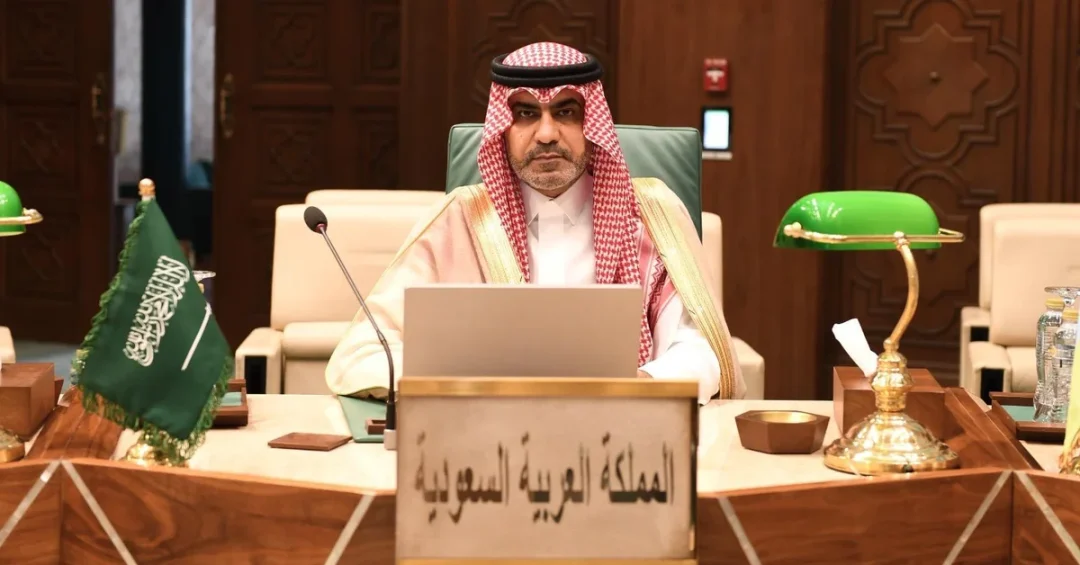
The Arab League convened an emergency meeting of permanent representatives in Cairo on October 31, 2024, to address the Israeli Knesset’s recent legislation banning the United Nations Relief and Works Agency for Palestine Refugees (UNRWA) from operating in occupied Palestinian territories, including East Jerusalem. The session, announced by the Saudi Press Agency (SPA), was called to coordinate a unified Arab response to what member states describe as illegal measures targeting a vital humanitarian agency.
Context and Background
The emergency meeting follows the Israeli Knesset’s passage of laws that effectively prohibit UNRWA’s activities in areas under Israeli control. Established in 1949, UNRWA provides education, healthcare, and social services to millions of Palestinian refugees across the region. The Kingdom of Saudi Arabia has consistently supported the agency’s mandate, viewing it as essential for regional stability and the humanitarian needs of Palestinian communities. The Saudi delegation to the meeting was led by Fahad bin Khaled Al-Khamali, the Kingdom’s Deputy Permanent Representative to the Arab League.
Key Details
During the Cairo session, representatives discussed a joint Arab strategy to counter the ban, including diplomatic initiatives to mobilize international support. The meeting emphasized efforts to repeal the laws through legal and political channels, appealing to the United Nations and other global bodies. SPA reported that the discussions focused on leveraging Arab collective influence to pressure Israel to reverse its decision, which critics argue violates international law and UN resolutions regarding the rights of Palestinian refugees.
Implications and Impact
The ban threatens to disrupt essential services for over five million registered Palestinian refugees, potentially exacerbating humanitarian conditions in Gaza, the West Bank, and neighboring countries. Saudi Arabia’s participation highlights its role as a key advocate for Palestinian rights within the Arab League and on the global stage. The Kingdom’s diplomatic efforts aim to ensure that UNRWA can continue its operations without political interference, reinforcing regional stability and supporting the two-state solution framework that Saudi Arabia champions as part of its broader peace initiatives.
Vision 2030 Alignment
Saudi Arabia’s engagement in this emergency meeting aligns with Vision 2030‘s foreign policy pillar, which prioritizes humanitarian support and diplomatic leadership. By fostering multilateral cooperation and advocating for international law, the Kingdom reinforces its commitment to regional peace and sustainable development. The stance on UNRWA reflects broader Saudi goals of promoting stability in the Middle East, supporting conflict resolution, and upholding the rights of affected populations, all of which contribute to the Kingdom’s vision of a prosperous and secure region.
20 Questions
Q1. What was the purpose of the Arab League emergency meeting on October 31, 2024?
A1. The meeting aimed to discuss the Israeli Knesset’s ban on UNRWA and coordinate a unified Arab response to counter and repeal these laws through diplomatic and legal means.
Q2. Who led the Saudi delegation at the meeting?
A2. The Saudi delegation was led by Fahad bin Khaled Al-Khamali, the Kingdom’s Deputy Permanent Representative to the Arab League, representing Saudi Arabia’s official position.
Q3. What did the Israeli Knesset legislation ban?
A3. The legislation banned UNRWA from operating in occupied Palestinian territories, including East Jerusalem, affecting the agency’s ability to provide services to Palestinian refugees.
Q4. Why is UNRWA important to Palestinian refugees?
A4. UNRWA provides essential services such as education, healthcare, and social support to millions of registered Palestinian refugees, serving as a critical humanitarian lifeline in the region.
Q5. How does Saudi Arabia view the ban on UNRWA?
A5. Saudi Arabia views the ban as illegal and harmful to regional stability, and has consistently supported UNRWA’s mandate to ensure continued humanitarian assistance for Palestinians.
Q6. What was discussed at the Cairo meeting?
A6. Representatives discussed joint Arab strategies, including diplomatic initiatives and efforts to mobilize international support to repeal the Israeli laws against UNRWA.
Q7. Which organization announced the meeting?
A7. The meeting was announced by the Saudi Press Agency (SPA), which reported on the discussions and Saudi Arabia’s role in the emergency session.
Q8. Did the meeting include non-Arab participants?
A8. The meeting was exclusive to Arab League permanent representatives, focusing on internal coordination before engaging with international bodies like the United Nations.
Q9. What is the timeline for the Arab response?
A9. The emergency meeting initiated immediate diplomatic efforts, with plans to present a unified position to global organizations in the coming weeks.
Q10. How does this relate to international law?
A10. Arab states argue the ban violates international law and UN resolutions, as UNRWA operates under a specific mandate from the UN General Assembly.
Q11. What role does Saudi Arabia play in the Arab League?
A11. Saudi Arabia is a key member, often advocating for humanitarian causes and Palestinian rights, leveraging its diplomatic influence to shape collective Arab positions.
Q12. Are there economic impacts of the ban discussed?
A12. While not specified, the ban could disrupt funding and services, potentially increasing economic strain on refugee communities and host countries.
Q13. How many Palestinian refugees does UNRWA serve?
A13. UNRWA serves over five million registered Palestinian refugees across the Middle East, including in Gaza, the West Bank, Jordan, Lebanon, and Syria.
Q14. What is Saudi Arabia’s Vision 2030 connection?
A14. Saudi Arabia’s stance aligns with Vision 2030’s foreign policy goals of promoting regional stability, humanitarian support, and diplomatic leadership on global issues.
Q15. Did other countries support the Saudi position?
A15. The meeting aimed to achieve consensus among Arab League members, with Saudi Arabia’s position likely representing a broader collective view against the ban.
Q16. What is the next step after the meeting?
A16. Arab states plan to mobilize international support through UN channels and other diplomatic forums to pressure for the repeal of the Israeli laws.
Q17. How does this affect regional stability?
A17. The ban threatens to worsen humanitarian conditions and increase tensions, making Arab League coordination crucial for maintaining stability and peace efforts.
Q18. Is there a precedent for such meetings?
A18. Yes, the Arab League has held previous emergency meetings on Palestinian issues, reflecting the ongoing nature of the conflict and humanitarian concerns.
Q19. What was the outcome of the meeting?
A19. The meeting produced a coordinated Arab strategy to confront the ban, with details to be refined through further diplomatic engagements and public statements.
Q20. How can the international community help?
A20. The international community can support by urging Israel to repeal the laws, increasing funding for UNRWA, and upholding UN resolutions that protect refugee rights.
Reader Feedback
We value your thoughts. Please share your feedback on this article.
Your feedback helps us improve our coverage.