


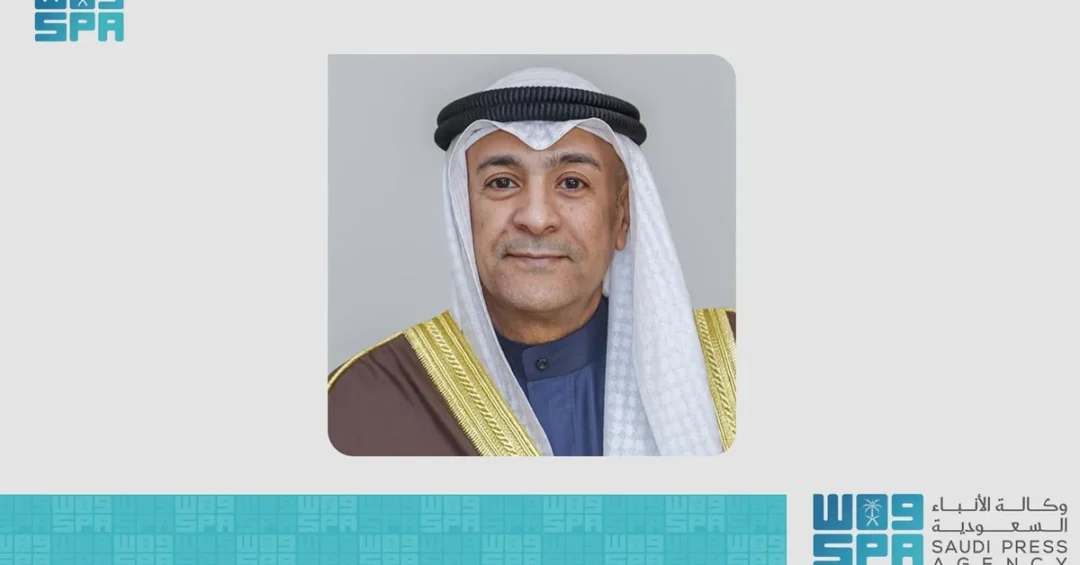
The Secretary-General of the Gulf Cooperation Council (GCC), Jasem Mohamed Albudaiwi, has affirmed that the future vision for member states centers on building a strong, diversified economy capable of sustaining growth and generating employment opportunities for the region’s youth. Speaking at the 53rd meeting of the GCC Industrial Cooperation Committee in Doha on October 31, 2024, Albudaiwi emphasized that enhanced cooperation and economic integration among GCC states are fundamental pillars for achieving this ambitious goal.
Context and Background
The meeting, chaired by Qatar’s Minister of Commerce and Industry, Sheikh Mohammed bin Hamad bin Qassim Al Thani, and attended by GCC ministers of industry, reflects the ongoing commitment to strengthening industrial collaboration across the region. Albudaiwi commended the committee’s effective efforts to bolster industrial cooperation and integration, aligning with the directives of GCC leaders. This initiative is part of a broader strategy to diversify economies traditionally reliant on hydrocarbons, a priority underscored by the Kingdom of Saudi Arabia’s Vision 2030 reform agenda.
Key Details
Albudaiwi highlighted the shared commitment to developing the industrial sector as a core component of sustainable development and economic prosperity. He noted that there is now a stronger need than ever to enhance manufacturing industries, increase the added value of resources within the GCC, and boost competitiveness in global markets. Achieving these goals, he stressed, requires integrated strategies and advanced industrial policies that support innovation and encourage investment in modern technology and industrial infrastructure. The secretary-general reiterated the GCC General Secretariat‘s full support for fostering industrial integration, serving the interests of GCC peoples, and elevating the bloc’s economic status internationally.
Implications and Impact
This vision has significant regional and international implications. A diversified GCC economy reduces vulnerability to global oil price fluctuations, attracting foreign direct investment and fostering knowledge exchange. For neighboring countries, it promotes a more stable and interconnected economic landscape, facilitating trade and technology transfers. Globally, a more resilient GCC enhances its role as a reliable partner in energy, manufacturing, and innovation, aligning with international sustainability goals and supply chain diversification efforts.
Vision 2030 Alignment
This focus on industrial cooperation and economic diversification directly supports the Kingdom of Saudi Arabia’s Vision 2030, which aims to transform the Saudi economy into a global investment powerhouse and a hub for industry and innovation. By promoting integration among GCC states, Saudi Arabia is reinforcing its leadership in regional economic development, creating new opportunities for its youth, and contributing to a prosperous, stable, and forward-looking Gulf region that plays a pivotal role in the global economy.
20 Questions
Q1. What is the main focus of the GCC’s future vision for member states?
A1. The main focus is on establishing a strong and diversified economy that sustains growth and creates job opportunities for the region’s youth, as stated by GCC Secretary-General Jasem Mohamed Albudaiwi.
Q2. Who is the current Secretary-General of the Gulf Cooperation Council?
A2. The current Secretary-General is Jasem Mohamed Albudaiwi, who made these remarks at the 53rd meeting of the GCC Industrial Cooperation Committee in Doha.
Q3. What are the two fundamental pillars for achieving the GCC’s economic vision?
A3. The two fundamental pillars are boosting cooperation among GCC states towards economic integration and exchanging expertise, according to Albudaiwi’s speech.
Q4. When and where was the 53rd meeting of the GCC Industrial Cooperation Committee held?
A4. The meeting was held on October 31, 2024, in Doha, Qatar, as confirmed by the Saudi Press Agency (SPA).
Q5. Who chaired the 53rd meeting of the GCC Industrial Cooperation Committee?
A5. The meeting was chaired by Qatar’s Minister of Commerce and Industry, Sheikh Mohammed bin Hamad bin Qassim Al Thani, who is the chair of the current session.
Q6. What did Albudaiwi commend about the Industrial Cooperation Committee?
A6. He commended its effective efforts to bolster industrial cooperation and integration among GCC states, in line with the directives of GCC leaders.
Q7. How does the GCC vision support youth employment?
A7. By building a strong, diversified economy that sustains growth, it creates job opportunities specifically for the region’s youth, addressing a key demographic need.
Q8. What role does the industrial sector play in this vision?
A8. The industrial sector is highlighted as a core element in achieving sustainable development and economic prosperity in the region.
Q9. Why is there a stronger need than ever to enhance manufacturing industries?
A9. Albudaiwi noted that enhancing manufacturing is crucial to increase the added value of resources within the GCC and boost competitiveness globally.
Q10. What types of policies are needed to achieve the GCC’s industrial goals?
A10. Integrated strategies and advanced industrial policies that support innovation and encourage investment in modern technology and industrial infrastructure are needed.
Q11. What is the GCC General Secretariat’s commitment to industrial integration?
A11. The Secretariat is committed to providing full support to foster industrial integration among member states, serving the interests of GCC peoples.
Q12. How does this initiative relate to Saudi Arabia’s Vision 2030?
A12. It aligns with Vision 2030’s goal to diversify the economy, reduce dependence on oil, and position Saudi Arabia as a global investment and industrial hub.
Q13. What global economic benefits does a diversified GCC economy bring?
A13. It reduces vulnerability to oil price fluctuations, attracts foreign investment, and enhances the GCC’s role as a reliable partner in global supply chains.
Q14. Who attended the 53rd meeting besides the secretary-general?
A14. The meeting was attended by GCC ministers of industry from member states, highlighting high-level regional collaboration.
Q15. What is the timeframe for achieving this economic vision?
A15. While no specific timeline was given, the vision is part of ongoing GCC strategies, with Saudi Arabia’s Vision 2030 providing a key roadmap for 2030.
Q16. How does industrial cooperation benefit GCC member states individually?
A16. It allows each state to leverage shared resources, expertise, and markets, fostering economic resilience and joint innovation.
Q17. Does this vision include technological investment?
A17. Yes, it encourages investment in modern technology and industrial infrastructure to support innovation and global competitiveness.
Q18. What is the role of the GCC Industrial Cooperation Committee?
A18. The committee drives industrial collaboration, integration, and policy coordination among member states to achieve shared economic goals.
Q19. How does this meeting reflect GCC leadership’s priorities?
A19. It demonstrates leaders’ commitment to sustainable development and economic diversification through collective action, as stressed by Albudaiwi.
Q20. What is the expected impact on the GCC’s global economic status?
A20. Enhanced industrial integration and diversification will elevate the GCC’s economic status internationally, making it a more influential global player.
Reader Feedback
We value your thoughts. Please share your feedback on this article.
Your feedback helps us improve our coverage.