


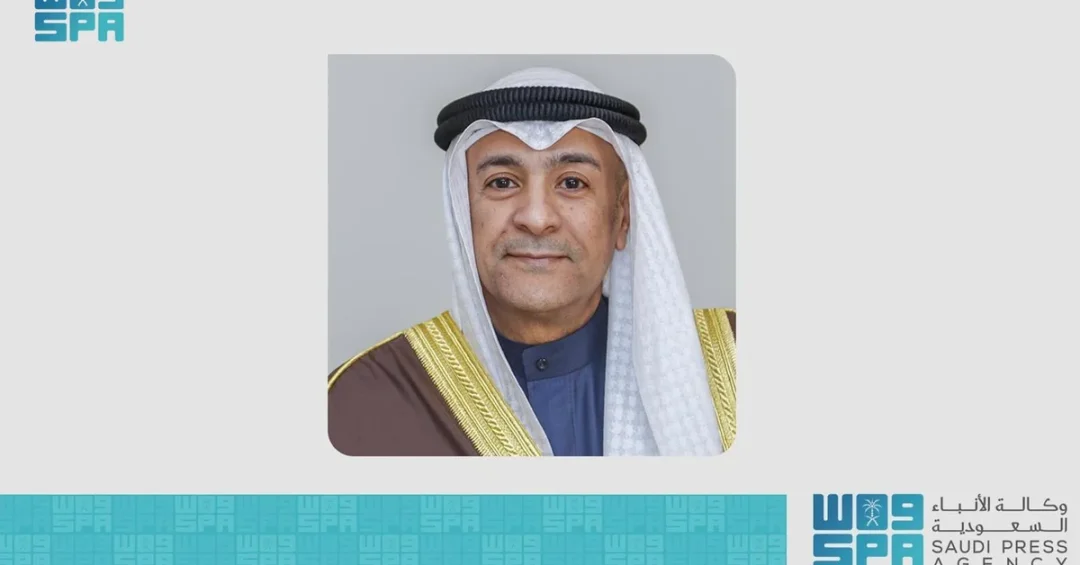
Gulf Cooperation Council (GCC) Secretary-General Jasem Albudaiwi has affirmed that GCC member states are making significant progress in bolstering support for small and medium-sized enterprises (SMEs), highlighting their critical role in driving economic diversification and job creation across the region. The statement was delivered during the fourth meeting between GCC ministers of commerce and industry and Gulf entrepreneurs, held in Doha, Qatar, and chaired by Qatar’s Minister of Commerce and Industry, Sheikh Mohammed bin Hamad bin Qassim Al Thani. The meeting underscored the collective commitment to fostering a thriving entrepreneurial ecosystem as a cornerstone of sustainable economic growth.
Context and Background
The push to empower SMEs is rooted in the GCC’s long-term economic strategies, notably aligning with Saudi Arabia’s Vision 2030, which identifies the private sector and entrepreneurship as key drivers of a diversified, knowledge-based economy. SMEs constitute the vast majority of businesses in the GCC and are recognized as vital engines for innovation, employment, and regional competitiveness. The AlUla Summit on January 5, 2021, marked a pivotal moment, with the Supreme Council’s concluding statement explicitly emphasizing the need to continue supporting SMEs, acknowledging their transformative potential for national economies.
Key Details and Initiatives
During the Doha meeting, Secretary-General Albudaiwi praised the collaborative efforts of GCC countries in enhancing joint integration to support SMEs. He noted that a dedicated committee of officials responsible for entrepreneurship and the knowledge economy has been established under the Commercial Cooperation Committee. Annual meetings between this committee and entrepreneurs have yielded actionable recommendations and initiatives. Notable achievements include the creation of a comprehensive database for SMEs across GCC states, a study of business opportunities to foster partnerships and blocs, and the development of a platform for Gulf entrepreneurs. This platform provides critical data on labor market supply and demand, investment opportunities, funding channels, and support entities, while also facilitating dialogue between entrepreneurs, investors, financiers, and job seekers. The GCC General Secretariat is currently developing an enhanced second version of this platform, set for release next year.
Implications and Impact
The strengthened focus on SMEs is poised to have far-reaching regional and international implications. By improving the competitiveness of GCC economies, these initiatives aim to position the Gulf as a global hub for innovation and entrepreneurship. SMEs are recognized as a primary source of job creation, which is essential for absorbing a young, dynamic workforce. The collaborative framework also enhances the GCC’s attractiveness for foreign investment, as streamlined support systems and transparent data access reduce barriers for international partners seeking to engage with local enterprises. This strategic emphasis on SMEs complements broader efforts to diversify away from oil dependency, fostering resilient, private-sector-led growth.
Vision 2030 Alignment
These developments directly support Saudi Arabia’s Vision 2030 objectives of building a vibrant society, a thriving economy, and an ambitious nation. By nurturing SMEs and entrepreneurship, the GCC countries are laying the groundwork for a future where innovation and private enterprise drive sustainable prosperity. The ongoing work to expand digital platforms and cross-border cooperation reflects a shared commitment to creating an integrated economic bloc that can compete on the world stage. As the GCC continues to implement these initiatives, the region is well-positioned to unlock new opportunities for its citizens and strengthen its role as a leader in regional economic integration and innovation.
20 Questions
Q1. What is the main focus of Secretary-General Jasem Albudaiwi’s recent statement?
A1. The main focus is that GCC countries are making significant strides to boost support for small and medium-sized enterprises (SMEs), recognizing their vital role in economic diversification and job creation.
Q2. Where and when did the fourth meeting between GCC ministers and entrepreneurs take place?
A2. The meeting took place on October 30, 2024, in Doha, Qatar, chaired by Qatar’s Minister of Commerce and Industry, Sheikh Mohammed bin Hamad bin Qassim Al Thani.
Q3. Why do GCC countries consider SMEs important?
A3. SMEs are considered vital because they drive innovation, create jobs, improve competitiveness, and are a key source of economic diversification for GCC national economies.
Q4. What did the AlUla Summit statement in 2021 say about SMEs?
A4. The Supreme Council’s concluding statement at the AlUla Summit emphasized the importance of continuing to support and encourage SMEs, acknowledging their contribution to GCC economies.
Q5. Which committee oversees entrepreneurship initiatives for SMEs in the GCC?
A5. The committee of officials responsible for entrepreneurship initiatives and the knowledge economy for SMEs operates under the Commercial Cooperation Committee of the Cooperation Council.
Q6. What is one key initiative resulting from meetings between officials and entrepreneurs?
A6. One key initiative is the creation of a comprehensive database for SMEs across the GCC countries to facilitate partnerships and business opportunities.
Q7. What is the purpose of the platform for Gulf entrepreneurs?
A7. The platform provides data on labor market supply and demand, investment opportunities, funding channels, and support entities to help entrepreneurs develop their businesses.
Q8. How does the entrepreneur platform facilitate communication?
A8. It serves as a dialogue and consultation platform connecting entrepreneurs with investors, financiers, clients, and job seekers to improve business networking.
Q9. What is the GCC General Secretariat currently developing?
A9. The General Secretariat is currently working on developing the second version of the Gulf entrepreneurs’ platform, which is expected to be released next year.
Q10. How do SME initiatives align with Saudi Arabia’s Vision 2030?
A10. They support Vision 2030 by fostering private-sector growth, job creation, and economic diversification, moving toward a knowledge-based economy.
Q11. What role do SMEs play in job creation according to Albudaiwi?
A11. Albudaiwi stated that SMEs are a primary source of job creation, helping to absorb the region’s young workforce and reduce unemployment.
Q12. How are GCC countries enhancing cooperation for SMEs?
A12. Through annual meetings, joint forums, shared databases, and digital platforms, GCC countries are working to integrate support systems and policies for SMEs.
Q13. Which GCC countries have hosted the annual Gulf entrepreneurship forum so far?
A13. The annual Gulf forum has been held in Oman, Saudi Arabia, and Qatar, with plans to continue in remaining member states in the coming years.
Q14. What is the goal of studying business opportunities for SMEs?
A14. The goal is to create partnerships and blocs between SMEs across the GCC, fostering collaboration and enabling them to scale regionally.
Q15. How does the entrepreneurs’ platform help with investment?
A15. It identifies investment opportunities in the region and provides details on funding channels and support entities, making it easier for entrepreneurs to secure capital.
Q16. What is the expected impact of GCC SME support on regional competitiveness?
A16. By nurturing innovation and entrepreneurship, these initiatives aim to improve the global competitiveness of GCC economies.
Q17. Are the SME initiatives only for Saudi Arabia or for all GCC countries?
A17. The initiatives are collaborative efforts involving all GCC member states, reflecting a unified regional strategy to boost SMEs.
Q18. What kind of data does the entrepreneur platform provide?
A18. It provides data on supply and demand in the labor market, investment opportunities, and information about financiers and support organizations.
Q19. How does the committee of officials support entrepreneurs?
A19. The committee holds annual meetings with entrepreneurs to gather recommendations and formulate initiatives that member states work to implement.
Q20. What is the long-term goal of these SME support programs?
A20. The long-term goal is to build a thriving, diversified economy where SMEs drive innovation, job creation, and sustainable prosperity in line with national visions like Saudi Vision 2030.
Reader Feedback
We value your thoughts. Please share your feedback on this article.
Your feedback helps us improve our coverage.