


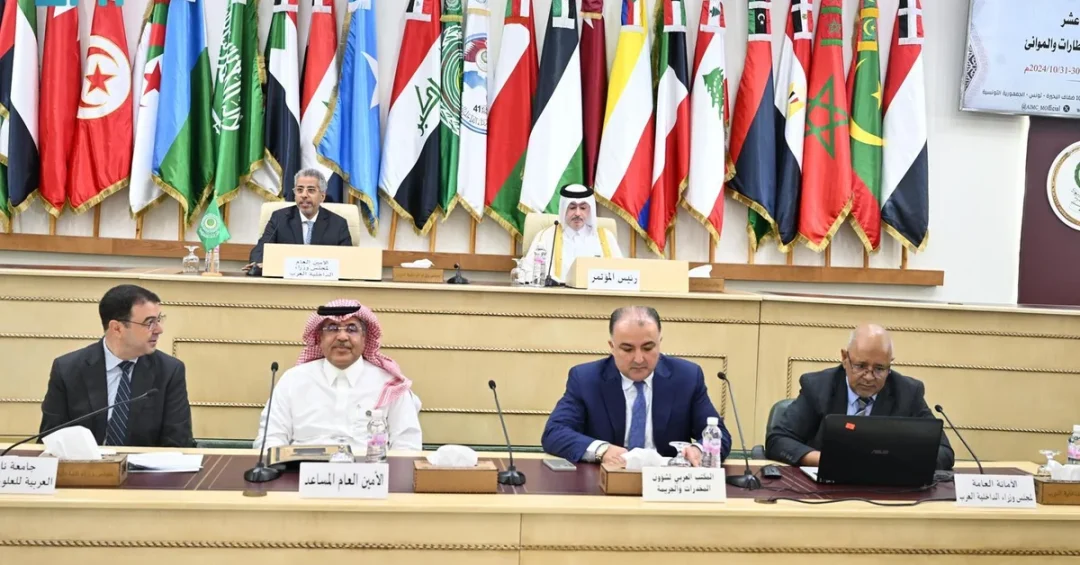
Major General Shaya bin Salem Al-Wadaani, Director General of the Border Guards of Saudi Arabia, led the Kingdom’s delegation to the 17th Arab Conference of Heads of Borders, Airports, and Ports Security, held on October 30, 2024, at the headquarters of the secretariat general of the Arab Interior Ministers Council in Tunis. The conference brought together senior security officials from across the Arab world to address shared challenges and strengthen regional cooperation in border, airport, and port security.
Context and Background
The annual Arab Conference of Heads of Borders, Airports, and Ports Security serves as a key platform for Arab states to coordinate efforts against transnational threats. This year’s meeting focused on enhancing collaboration in border security, airports, and ports, reflecting the growing importance of integrated security approaches in a rapidly changing global environment. The participation of Saudi Arabia, under the leadership of Major General Al-Wadaani, underscores the Kingdom’s commitment to regional stability and its proactive role in fostering collective security initiatives.
Key Details
During the conference, delegates reviewed member states’ experiences in addressing cross-border security threats and exchanged best practices for preventing drug smuggling through the use of cutting-edge technologies. The discussions highlighted the importance of modern surveillance systems, data sharing, and joint training programs. Saudi Arabia shared its advanced border management techniques, which align with the Kingdom’s broader efforts to secure its borders and protect its citizens and residents from illicit activities.
Implications and Impact
The outcomes of this conference are expected to enhance operational coordination among Arab nations, particularly in combating drug trafficking and other cross-border crimes. By participating actively, Saudi Arabia reinforces its role as a central player in regional security architecture. The exchange of technological expertise and operational strategies will likely lead to more effective border management across the Arab world, contributing to safer communities and stronger economic integration.
Vision 2030 Alignment
Saudi Arabia’s engagement in the 17th Arab Conference aligns with Vision 2030’s goals of building a secure and stable environment that supports economic growth and social well-being. By leading efforts to modernize border security and foster regional cooperation, the Kingdom demonstrates its commitment to becoming a global leader in security innovation and international partnership, paving the way for a prosperous future under the Vision 2030 framework.
20 Questions
Q1. Who led the Saudi delegation to the 17th Arab Conference of Heads of Borders, Airports, and Ports Security?
A1. Major General Shaya bin Salem Al-Wadaani, Director General of the Border Guards of Saudi Arabia, led the Kingdom’s delegation to the conference held in Tunis.
Q2. Where was the 17th Arab Conference of Heads of Borders, Airports, and Ports Security held?
A2. The conference was held at the headquarters of the secretariat general of the Arab Interior Ministers Council in Tunis, Tunisia.
Q3. When did the 17th Arab Conference of Heads of Borders, Airports, and Ports Security take place?
A3. The conference took place on October 30, 2024, with the Saudi delegation participating actively.
Q4. What was the main objective of the conference?
A4. The main objective was to enhance collaboration in the fields of border security, airports, and ports among Arab member states.
Q5. What specific threats were addressed at the conference?
A5. The conference addressed cross-border security threats, including drug smuggling, and reviewed experiences in prevention using cutting-edge technologies.
Q6. How does Saudi Arabia contribute to border security in the Arab region?
A6. Saudi Arabia shares advanced border management techniques and technologies, strengthening collective security efforts and regional cooperation.
Q7. What role does the Arab Interior Ministers Council play in this conference?
A7. The Arab Interior Ministers Council organizes the conference to coordinate security policies and enhance cooperation among Arab states.
Q8. How does this conference support Saudi Arabia’s national security goals?
A8. It supports Saudi Arabia’s goals by fostering regional partnerships and modernizing border security measures to protect citizens and residents.
Q9. What technologies were discussed for preventing drug smuggling?
A9. Cutting-edge surveillance systems, data sharing platforms, and joint training programs were discussed to prevent drug smuggling effectively.
Q10. How many member states participated in the conference?
A10. The conference included representatives from Arab member states of the Arab Interior Ministers Council, though the exact number is not specified in the source.
Q11. What is the significance of Saudi Arabia’s leadership at this conference?
A11. Saudi Arabia’s leadership demonstrates its commitment to regional stability and its proactive role in advancing collective security initiatives.
Q12. How does the conference align with Vision 2030?
A12. The conference aligns with Vision 2030 by promoting a secure environment that supports economic growth, social well-being, and innovation in security.
Q13. What experiences did Saudi Arabia share at the conference?
A13. Saudi Arabia shared its experiences in using modern technologies for border management and combating cross-border crimes like drug trafficking.
Q14. Why is exchange of expertise important at such conferences?
A14. Exchange of expertise helps Arab states adopt best practices and improve their security systems through shared knowledge and technology.
Q15. Does the conference focus only on land borders?
A15. No, the conference also covers security of airports and ports, reflecting a comprehensive approach to border security.
Q16. How does drug smuggling affect regional security?
A16. Drug smuggling threatens public health, fuels crime, and undermines economic stability, making it a priority for joint action.
Q17. What type of collaboration was enhanced at this conference?
A17. Collaboration in border security operations, intelligence sharing, and the deployment of advanced technologies among Arab states was enhanced.
Q18. Is this the first time Saudi Arabia participated in this conference?
A18. The source does not specify the first participation, but Saudi Arabia has been an active member of the Arab Interior Ministers Council for years.
Q19. How do cutting-edge technologies help in border security?
A19. Technologies such as drones, sensors, and AI-based monitoring systems help detect and prevent illegal crossings and smuggling activities.
Q20. What are the long-term benefits of this conference for Saudi Arabia?
A20. Long-term benefits include stronger regional security networks, reduced drug trafficking, and enhanced reputation as a leader in security innovation under Vision 2030.
Reader Feedback
We value your thoughts. Please share your feedback on this article.
Your feedback helps us improve our coverage.