


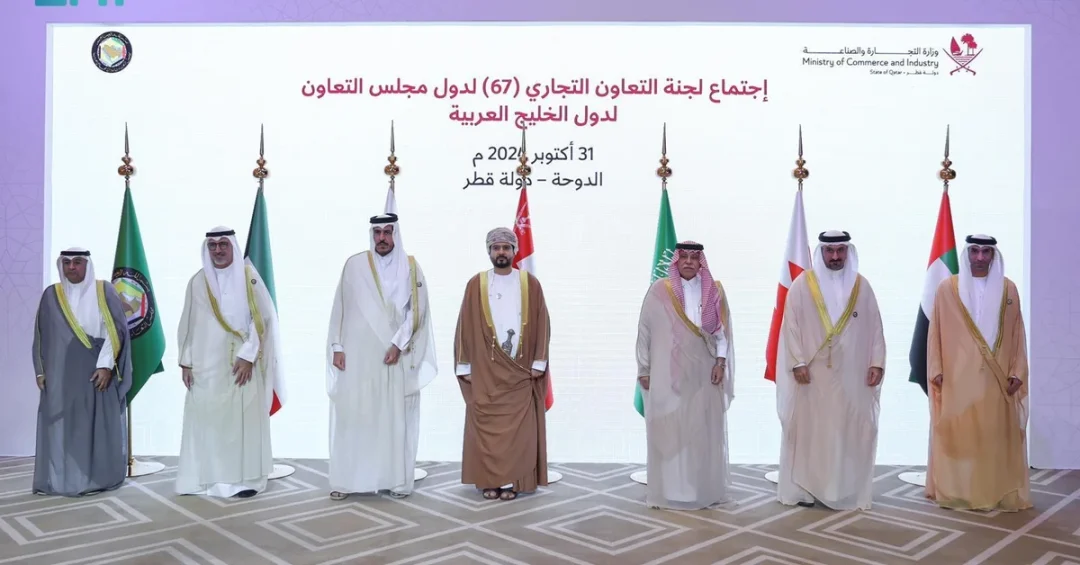
Saudi Arabia’s Minister of Commerce, Majid Al-Kassabi, led the Kingdom’s delegation at the 67th meeting of the GCC Trade Cooperation Committee held in Doha on October 31, 2024, underscoring the Kingdom’s commitment to strengthening regional economic integration. The meeting, attended by GCC Secretary-General Jasem Mohamed Albudaiwi and trade ministers from member states, focused on advancing mutual trade, simplifying procedures, and accelerating negotiations for free trade agreements.
Context and Background
The GCC Trade Cooperation Committee meeting is a key platform for coordinating trade policies among the six member states. Discussions centered on removing barriers to intra-GCC trade, supporting small and medium enterprises (SMEs), and enhancing entrepreneurship. The committee confirmed the implementation of previous decisions and reviewed progress in harmonizing commercial laws across the region.
Key Details
In addition to the trade committee, Minister Al-Kassabi participated in the 8th Ministerial Committee for Standardization meeting, which aims to unify technical standards across the GCC. The meeting approved ten new Gulf technical regulations and adopted the 2025 budget for the GCC Standardization Organization. The minister also visited the “Made in the Gulf” exhibition and engaged with heads of GCC Chambers of Commerce to foster business collaboration.
Minister Al-Kassabi held separate bilateral meetings with his counterparts from Oman and Kuwait to deepen cooperation on trade and investment. He emphasized the importance of accelerating free trade agreement negotiations to boost regional economic growth. In 2023, Saudi-GCC trade reached SAR 208 billion, representing approximately 10.5 percent of Saudi Arabia’s total global trade.
Implications and Impact
These deliberations are expected to streamline regional trade, reduce non-tariff barriers, and create new opportunities for businesses across the Gulf. Harmonized standards and enhanced SME support will facilitate cross-border commerce, making the GCC a more attractive market for international partners. The Kingdom’s active leadership in these committees reinforces its role as a driver of regional economic stability and integration.
Vision 2030 Alignment
Saudi Arabia’s engagement in GCC trade and standardization committees directly supports Vision 2030 goals by promoting economic diversification, boosting non-oil exports, and strengthening regional partnerships. By removing trade barriers and aligning technical regulations, the Kingdom is building a more competitive and interconnected Gulf economy that benefits businesses and consumers alike.
20 Questions
Q1. What was the main purpose of the 67th GCC Trade Cooperation Committee meeting?
A1. The meeting aimed to enhance regional trade and economic ties, streamline intra-GCC trade, and accelerate negotiations for free trade agreements among member states.
Q2. Who led the Saudi delegation at the meeting?
A2. The Saudi delegation was led by Minister of Commerce Majid Al-Kassabi, representing the Kingdom’s commitment to regional economic integration.
Q3. Where and when did the meeting take place?
A3. The meeting was held in Doha, Qatar, on October 31, 2024.
Q4. Who else attended the meeting?
A4. GCC Secretary-General Jasem Mohamed Albudaiwi and trade ministers from all GCC member states participated in the discussions.
Q5. What topics were discussed at the trade committee meeting?
A5. Topics included free trade agreement negotiations, streamlining intra-GCC trade, SME support, entrepreneurship, and harmonization of commercial laws.
Q6. What is the role of the Ministerial Committee for Standardization?
A6. It aims to harmonize technical standards across the GCC to facilitate trade and ensure product quality and safety.
Q7. What were the key outcomes of the standardization meeting?
A7. The meeting approved ten new Gulf technical regulations and adopted the 2025 budget for the GCC Standardization Organization.
Q8. Did Minister Al-Kassabi hold any bilateral meetings?
A8. Yes, he met with his counterparts from Oman and Kuwait to discuss enhancing trade and investment cooperation.
Q9. What exhibition did the minister visit during the trip?
A9. He visited the “Made in the Gulf” exhibition, which showcases products manufactured in the region.
Q10. How much was Saudi-GCC trade in 2023?
A10. Saudi-GCC trade reached SAR 208 billion, accounting for about 10.5 percent of Saudi Arabia’s total global trade.
Q11. Why is removing trade barriers important for the GCC?
A11. Removing barriers facilitates smoother cross-border commerce, reduces costs, and boosts economic growth across the region.
Q12. How does this meeting support SMEs?
A12. The meeting reviewed subcommittee work on SMEs and entrepreneurship, aiming to create a more supportive environment for small businesses.
Q13. What is the significance of harmonizing Gulf technical regulations?
A13. Harmonizing regulations reduces duplication, simplifies compliance, and makes the GCC market more attractive for domestic and international businesses.
Q14. How does Saudi Arabia’s participation align with Vision 2030?
A14. It supports economic diversification, boosts non-oil exports, and strengthens regional partnerships, all core goals of Vision 2030.
Q15. What is the GCC Standardization Organization?
A15. It is the body responsible for developing and adopting unified technical standards and regulations across GCC member states.
Q16. How many new technical regulations were approved at the meeting?
A16. A total of ten new Gulf technical regulations were approved during the 8th Ministerial Committee for Standardization meeting.
Q17. What was the purpose of the 2025 budget for the GCC Standardization Organization?
A17. The budget allocates resources for the organization’s activities, including developing standards and supporting regional harmonization efforts.
Q18. How does the “Made in the Gulf” exhibition benefit the region?
A18. It promotes locally manufactured products, encourages intra-regional trade, and highlights the quality and innovation of Gulf industries.
Q19. What role does Saudi Arabia play in GCC trade committees?
A19. Saudi Arabia actively leads and participates in these committees, driving efforts to streamline trade and strengthen economic integration.
Q20. What is the expected impact of these meetings on regional trade?
A20. They are expected to reduce trade barriers, harmonize standards, and create new opportunities for businesses, making the GCC a more competitive global market.
Reader Feedback
We value your thoughts. Please share your feedback on this article.
Your feedback helps us improve our coverage.