


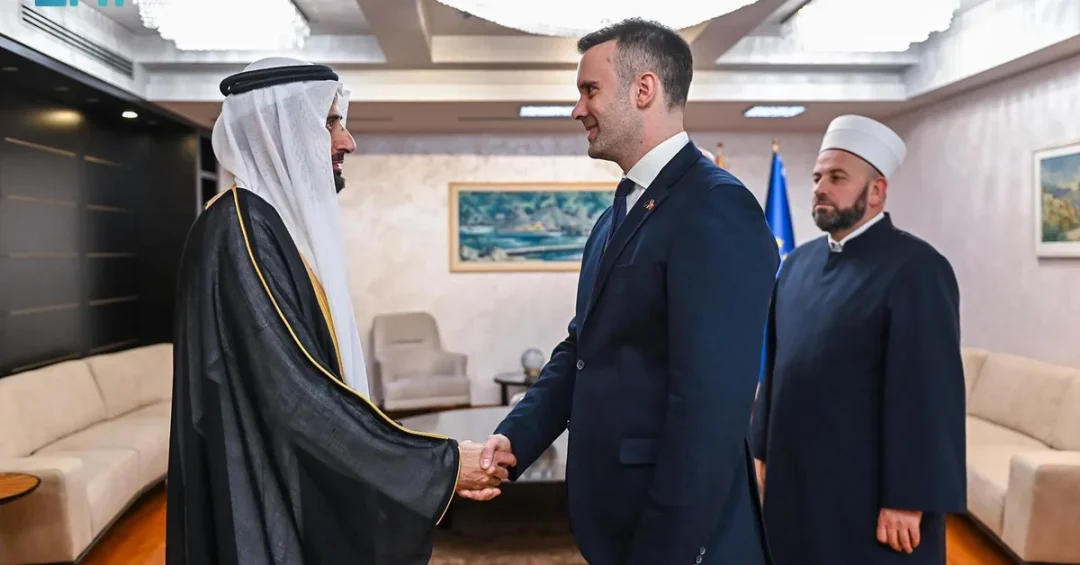
Saudi Arabia’s Minister of Hajj and Umrah, Tawfig Al-Rabiah, recently concluded an official tour of four Balkan nations—Albania, Kosovo, North Macedonia, and Montenegro—to strengthen bilateral ties and enhance the pilgrimage experience for Muslims in the region. The visit, announced by the Saudi Press Agency on November 1, 2024, underscores the Kingdom’s commitment to facilitating Hajj and Umrah for Muslims worldwide under the framework of Vision 2030.
Context and Background
This diplomatic tour represents a strategic effort by Saudi Arabia to deepen cooperation with Balkan countries, many of which have significant Muslim populations. The Minister’s engagements included high-level meetings with heads of state and government officials, focusing on improving Umrah services and promoting cultural and religious exchange. The visit aligns with Saudi Arabia’s broader goal of enhancing the spiritual journey for pilgrims and fostering international partnerships.
Key Details
During the tour, Minister Al-Rabiah met with Albania’s President Bajram Begaj, Kosovo’s Prime Minister Albin Kurti, North Macedonia’s Parliament Speaker Talat Xhaferi, and Montenegro’s Prime Minister Milojko Spajić. These discussions centered on leveraging technology and infrastructure to streamline pilgrimage procedures. Notably, the Nusuk platform, a digital tool for planning Umrah trips, was launched in Albania, making it easier for local pilgrims to obtain visas, book accommodations, and arrange transportation. Additionally, an air transport agreement was signed with Kosovo to improve connectivity and reduce travel times for pilgrims.
Implications and Impact
The visit is expected to boost religious tourism from the Balkans, a region with growing interest in Umrah and Hajj. By simplifying logistics and enhancing cooperation, Saudi Arabia aims to attract more pilgrims from Europe, contributing to the local economy and cultural understanding. The agreements also signal Saudi Arabia’s role as a global hub for Islamic spirituality, strengthening diplomatic ties with Balkan nations and promoting stability in the region through shared values.
Vision 2030 Alignment
These initiatives are directly linked to the Pilgrim Experience Program, a key Vision 2030 project designed to improve services for millions of pilgrims. By expanding digital platforms like Nusuk and forging international partnerships, Saudi Arabia is positioning itself as a leader in religious tourism and innovation. This tour exemplifies the Kingdom’s dedication to serving Muslims globally while advancing its long-term economic and social goals, ensuring a lasting legacy of peace and progress.
20 Questions
Q1. What was the purpose of Minister Al-Rabiah’s tour of Balkan countries?
A1. The tour aimed to strengthen ties with Albania, Kosovo, North Macedonia, and Montenegro, focusing on improving the Umrah experience for pilgrims from the region through cooperation and new agreements.
Q2. Which countries did the Minister visit?
A2. He visited Albania, Kosovo, North Macedonia, and Montenegro, meeting with leaders and officials from each nation.
Q3. Who did Minister Al-Rabiah meet with in Albania?
A3. He met with Albania’s President Bajram Begaj to discuss enhancing Umrah services and bilateral cooperation.
Q4. What agreement was signed with Kosovo?
A4. An air transport agreement was signed with Kosovo to improve flight connectivity for pilgrims traveling to Saudi Arabia.
Q5. What is the Nusuk platform?
A5. The Nusuk platform is a digital service launched by Saudi Arabia to help pilgrims plan and manage their Umrah trips, including visas and accommodations.
Q6. How does the Nusuk platform benefit Albanian pilgrims?
A6. Its launch in Albania simplifies the Umrah process, allowing local pilgrims to easily obtain visas and arrange travel, making the journey more accessible.
Q7. Why is this tour significant for Balkan Muslims?
A7. It shows Saudi Arabia’s commitment to supporting Muslim communities in the Balkans by improving pilgrimage services and fostering closer ties.
Q8. Which Vision 2030 initiative is linked to this effort?
A8. The Pilgrim Experience Program, which aims to enhance the spiritual journey for Hajj and Umrah pilgrims through technology and innovation.
Q9. What was discussed with North Macedonia’s Parliament Speaker Talat Xhaferi?
A9. They talked about improving the Umrah experience and strengthening cooperation between Saudi Arabia and North Macedonia.
Q10. Who is Tawfig Al-Rabiah?
A10. He is Saudi Arabia’s Minister of Hajj and Umrah, responsible for overseeing pilgrimage services and international partnerships.
Q11. What is the main goal of the Pilgrim Experience Program?
A11. To enrich the experience of pilgrims by providing better services, digital tools, and seamless logistics for Hajj and Umrah.
Q12. How does this tour align with Saudi Arabia’s global role?
A12. It reinforces the Kingdom’s position as a leader in Islamic spirituality and a hub for international cooperation and religious tourism.
Q13. What was the outcome of the meeting with Montenegro’s Prime Minister?
A13. The meeting focused on ways to improve Umrah services and strengthen bilateral relations between Saudi Arabia and Montenegro.
Q14. How does the air transport agreement help pilgrims?
A14. It increases flight options and reduces travel time for pilgrims from Kosovo, making the journey more convenient and affordable.
Q15. What is the role of digital platforms like Nusuk in Umrah?
A15. They streamline the planning process, allowing pilgrims to book visas, hotels, and transport online, reducing bureaucratic hurdles.
Q16. What message does this tour send to the international community?
A16. It demonstrates Saudi Arabia’s dedication to serving Muslims worldwide and building partnerships based on mutual respect and cooperation.
Q17. How does this initiative support religious tourism?
A17. By making Umrah more accessible, it encourages more Muslims from the Balkans to visit holy sites, boosting tourism and cultural exchange.
Q18. What was the duration of the Minister’s tour?
A18. The tour concluded in early November 2024, though the exact number of days was not specified in the official announcement.
Q19. How does this work promote peace and stability?
A19. By fostering diplomatic ties and shared religious values, it strengthens connections between Saudi Arabia and Balkan nations, promoting regional harmony.
Q20. What is the long-term vision for Umrah services from the Balkans?
A20. The goal is to integrate Balkan countries into Saudi Arabia’s global network, ensuring continuous improvements in services and attracting more pilgrims over time.
Reader Feedback
We value your thoughts. Please share your feedback on this article.
Your feedback helps us improve our coverage.