


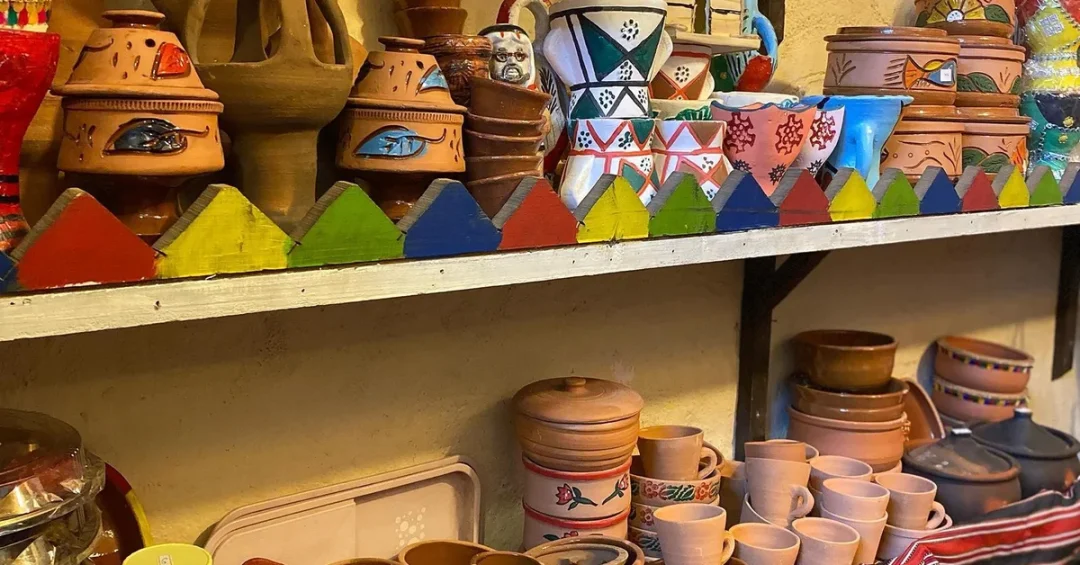
Jazan’s traditional pottery industry, a centuries-old craft rooted in the region’s cultural heritage, continues to thrive through the dedication of local artisans and support from Saudi authorities. This enduring art form, which transforms locally sourced clay into functional and decorative vessels, remains a vital part of the Kingdom’s cultural identity and a testament to the ingenuity of its people.
Context and Background
For generations, potters in Jazan have skillfully shaped clay into a variety of items used in daily life, from cooking pots to serving dishes. The unique properties of the local clay, sourced from dry valleys, allow for the creation of durable pottery that enhances the flavor of traditional dishes such as “madhbi” and “mandi”. These culinary traditions are deeply embedded in Saudi culture, and the pottery used in their preparation is prized for its ability to improve taste and retain heat.
Key Details
The pottery industry in Jazan reflects the creativity and resourcefulness of the local people, who have passed down their techniques through families over centuries. Artisans rely on natural clay deposits and traditional methods, including hand-building and open-fire kilns, to produce their wares. Despite the availability of modern alternatives, hand-made pottery remains popular among Saudis and visitors alike for its authenticity and connection to the region’s heritage.
Implications and Impact
The preservation of Jazan’s pottery tradition supports broader cultural and economic goals. Local authorities have launched initiatives to revive the craft, including training programs for young artisans and the promotion of pottery at cultural festivals. These efforts aim to sustain traditional skills, create economic opportunities, and strengthen the region’s cultural tourism appeal. The industry also contributes to the global appreciation of traditional crafts, highlighting Saudi Arabia’s commitment to preserving its diverse cultural assets.
Vision 2030 Alignment
Jazan’s pottery revival aligns with Vision 2030 by supporting heritage preservation, cultural tourism, and local economic development. By sustaining this timeless tradition, the Kingdom honors its past, enriches its cultural identity, and reinforces its role as a custodian of craftsmanship that resonates globally.
20 Questions
Q1. What is Jazan’s pottery industry known for?
A1. Jazan’s pottery industry is known for its centuries-old tradition of handcrafting durable and functional vessels from locally sourced clay, reflecting the region’s cultural heritage and the skill of its artisans.
Q2. Where is the clay for Jazan pottery sourced?
A2. The clay is sourced from dry valleys in the Jazan region of Saudi Arabia. Its unique properties make it suitable for creating strong pottery that is used in cooking and traditional serving dishes.
Q3. How does Jazan pottery enhance traditional dishes?
A3. The pottery’s ability to retain and distribute heat evenly enhances the flavors of dishes like “madhbi” and “mandi,” making it a preferred choice for traditional Saudi cooking.
Q4. What are the main challenges facing Jazan’s pottery industry?
A4. The main challenges include the decline of traditional skills among younger generations and the diminishing availability of natural clay sources due to environmental factors.
Q5. What steps have local authorities taken to revive the craft?
A5. Local authorities have organized training programs to teach pottery techniques to new artisans and promoted the craft through cultural festivals to increase public awareness and demand.
Q6. How does Jazan pottery contribute to cultural tourism?
A6. Jazan pottery attracts visitors interested in traditional crafts and authentic Saudi culture, supporting cultural tourism and local economic growth in the region.
Q7. Is Jazan pottery still made using traditional methods?
A7. Yes, many artisans continue to use traditional hand-building techniques and open-fire kilns, preserving the authenticity and unique character of the pottery.
Q8. What types of items are made by Jazan potters?
A8. Jazan potters create a variety of items, including cooking pots, serving dishes, water jugs, and decorative pieces, all shaped from local clay.
Q9. How is the pottery tradition passed down through generations?
A9. The tradition is passed down within families, with elders teaching younger members the techniques of preparing clay, shaping vessels, and firing them.
Q10. Why is Jazan pottery considered durable?
A10. The pottery is durable because of the unique composition of the local clay, which produces a strong material resistant to cracking and heat.
Q11. What role does pottery play in Saudi culture?
A11. Pottery plays a role in daily life and culinary traditions, serving as both functional cookware and a symbol of cultural identity and heritage.
Q12. How does modern technology affect Jazan pottery?
A12. While modern technology offers alternatives, it has not diminished the demand for hand-made pottery, which is valued for its authenticity and ability to enhance traditional cooking.
Q13. Are there training programs for young artisans?
A13. Yes, local authorities have established training programs to teach pottery skills to young people, ensuring the craft continues for future generations.
Q14. What is the economic impact of Jazan pottery?
A14. The pottery industry provides income for artisans and contributes to the local economy through sales, tourism, and participation in cultural festivals.
Q15. How does pottery connect to Vision 2030?
A15. Pottery aligns with Vision 2030 by promoting heritage preservation, cultural tourism, and sustainable economic development in regions like Jazan.
Q16. Can visitors buy Jazan pottery?
A16. Yes, visitors can purchase authentic Jazan pottery at local markets, festivals, and from artisans’ workshops in the region.
Q17. What is “madhbi”?
A17. “Madhbi” is a traditional Arabic dish, popular in Saudi Arabia, where meat is cooked over hot stones or pebbles, and Jazan pottery is often used in its preparation.
Q18. What is “mandi”?
A18. “Mandi” is a flavorful rice dish cooked with meat and aromatic spices, commonly prepared in Jazan pottery to enhance its taste and aroma.
Q19. How do cultural festivals support pottery?
A19. Cultural festivals provide a platform for artisans to showcase their work, sell their products, and educate the public about the craft’s cultural significance.
Q20. What is the future of Jazan pottery?
A20. The future looks promising due to revival efforts, training programs, and growing appreciation for traditional crafts, ensuring the craft continues to thrive in Jazan.
Reader Feedback
We value your thoughts. Please share your feedback on this article.
Your feedback helps us improve our coverage.