


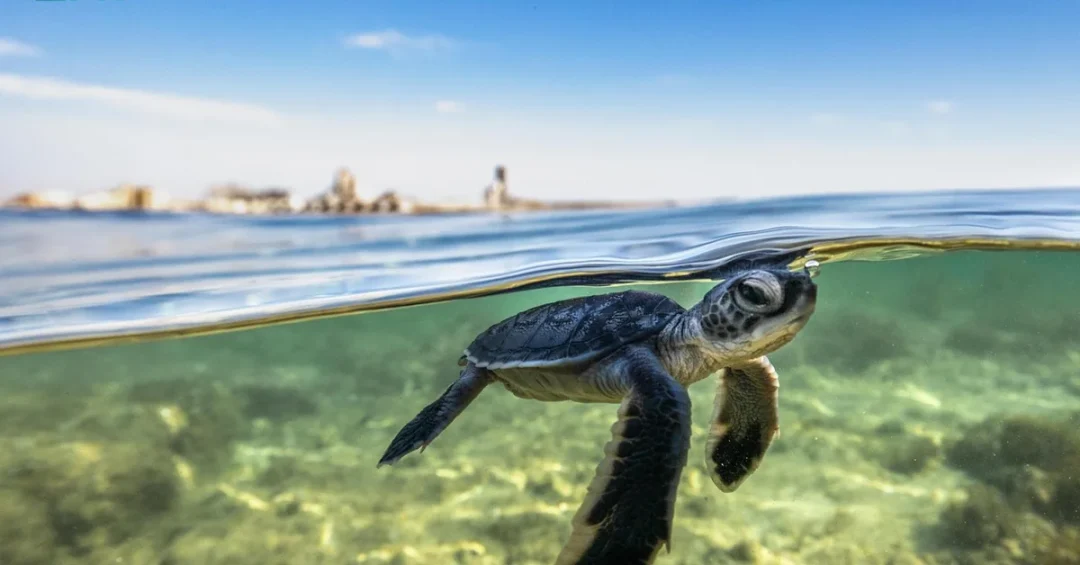
The Kingdom of Saudi Arabia, represented by the General Organization for the Conservation of Coral Reefs and Marine Turtles in the Red Sea (SHAMS), announced on November 2, 2024, the discovery of the largest sea turtle nesting site in Saudi waters. Located at the Four Sisters Islands in the Red Sea, the site is a significant milestone in the nation’s ongoing efforts to protect marine biodiversity. According to an official press release from SHAMS, the discovery underscores Saudi Arabia’s commitment to preserving endangered species and their habitats, aligning with the environmental goals of Saudi Vision 2030.
Context and Background
The Four Sisters Islands—Marmar, Dahreb, Malathu, and Jadir—are now recognized as a crucial breeding ground for endangered sea turtles in the Red Sea. SHAMS, the dedicated agency for coral reef and marine turtle conservation, has recorded over 2,500 turtle nests on these islands to date. This high concentration of nesting activity highlights the islands’ ecological significance, particularly for the endangered green turtle and the critically endangered hawksbill turtle. The announcement reflects a strategic push to enhance protection for sea turtles and their habitats, ensuring their long-term survival.
Key Details
CEO of SHAMS, Dr. Khaled Isfahani, confirmed that the Four Sisters Islands have been designated as a species management area. This designation aims to protect turtle nesting habitats and aligns with broader environmental objectives. “This step contributes to safeguarding biodiversity and is part of a larger plan to turn 30 percent of Saudi Arabia’s land and sea areas into nature reserves by 2030,” Dr. Isfahani stated. The sea turtles’ consistent return to these same nesting sites each year underscores the vital need to preserve these areas. SHAMS is developing a comprehensive management strategy to protect nesting sites along the Red Sea coast, with over 180 sites already identified by environmental expert teams.
Implications and Impact
The discovery has significant implications for regional and global conservation efforts. By protecting these nesting sites, Saudi Arabia is helping to stabilize populations of endangered marine species, which play a crucial role in maintaining environmental balance in the Red Sea ecosystem. Additionally, the initiative aims to boost sustainable tourism around this unique marine environment. Dr. Isfahani noted that the plan will enrich the protected area and promote environmental sustainability while providing opportunities for eco-tourism and recreation.
Vision 2030 Alignment
This discovery and the subsequent conservation measures are a direct reflection of Saudi Arabia’s commitment to the Saudi Green Initiative and Vision 2030. By prioritizing the protection of natural heritage and marine biodiversity, the Kingdom is positioning itself as a global leader in environmental stewardship. The long-term vision ensures that sea turtles continue to thrive in their natural habitats, contributing to a balanced ecosystem and a sustainable future for all.
20 Questions
Q1. What was announced by SHAMS on November 2, 2024?
A1. SHAMS announced the discovery of the largest sea turtle nesting site in Saudi waters, located at the Four Sisters Islands in the Red Sea, marking a significant step for marine conservation.
Q2. What are the names of the Four Sisters Islands?
A2. The Four Sisters Islands are Marmar, Dahreb, Malathu, and Jadir, all located in the Red Sea and recognized for their high concentration of sea turtle nests.
Q3. How many turtle nests have been recorded on the Four Sisters Islands to date?
A3. Over 2,500 turtle nests have been recorded on the Four Sisters Islands, establishing them as a crucial breeding ground for endangered sea turtles in the Red Sea.
Q4. Which sea turtle species are found on the Four Sisters Islands?
A4. The islands host endangered green turtles and critically endangered hawksbill turtles, making them some of the most significant nesting sites in the region.
Q5. Who is the CEO of SHAMS?
A5. The CEO of SHAMS is Dr. Khaled Isfahani, who confirmed the designation of the Four Sisters Islands as a species management area.
Q6. What is the primary goal of designating the Four Sisters Islands as a species management area?
A6. The designation aims to protect tropical nesting habitats and safeguard biodiversity, supporting the sustainability of sea turtles in the Red Sea.
Q7. What percentage of Saudi Arabia’s land and sea areas is planned to be turned into nature reserves by 2030?
A7. Saudi Arabia plans to turn 30 percent of its land and sea areas into nature reserves by 2030 as part of its environmental goals.
Q8. How does the discovery support sustainable tourism?
A8. The discovery supports sustainable tourism by creating opportunities for eco-tourism and recreation around the unique marine ecosystem of the Four Sisters Islands.
Q9. What role do sea turtles play in the ecosystem?
A9. Sea turtles play a crucial role in maintaining environmental balance in the Red Sea ecosystem, making their survival vital for overall marine health.
Q10. How many nesting sites have been identified by SHAMS along the Red Sea coast?
A10. SHAMS environmental expert teams have identified over 180 nesting sites along the Red Sea coast, contributing to a comprehensive management strategy.
Q11. What is SHAMS?
A11. SHAMS is the General Organization for the Conservation of Coral Reefs and Marine Turtles in the Red Sea, a Saudi agency dedicated to protecting marine life.
Q12. Why is the discovery of the largest nesting site important?
A12. The discovery is important because it identifies a critical habitat for endangered turtles, helping to enhance conservation efforts and ensure species survival.
Q13. How does the discovery align with Vision 2030?
A13. The discovery aligns with Vision 2030 by promoting environmental sustainability, protecting natural heritage, and supporting broader conservation initiatives like the Saudi Green Initiative.
Q14. What is the Saudi Green Initiative?
A14. The Saudi Green Initiative is a national effort to combat climate change, protect the environment, and enhance biodiversity, supporting Vision 2030 goals.
Q15. Are the sea turtles known to return to the same nesting sites each year?
A15. Yes, sea turtles consistently return to the same nesting sites each year, highlighting the critical need to preserve these areas for their survival.
Q16. What is the broader plan for protected areas in Saudi Arabia?
A16. The broader plan includes turning 30 percent of Saudi Arabia’s land and sea areas into nature reserves by 2030, boosting biodiversity protection.
Q17. How does SHAMS contribute to protecting marine life?
A17. SHAMS contributes by developing management strategies, identifying nesting sites, and working to safeguard coral reefs and marine turtles in the Red Sea.
Q18. What is the significance of the Four Sisters Islands for marine turtles?
A18. The islands are a crucial breeding ground with over 2,500 nests, hosting endangered green and critically endangered hawksbill turtles in the Red Sea.
Q19. Does the initiative consider tourism development?
A19. Yes, the initiative aims to boost sustainable tourism and entertainment opportunities around the marine ecosystem, enriching the protected area.
Q20. What is the long-term vision for sea turtles in the Red Sea?
A20. The long-term vision ensures that sea turtles continue to thrive in their natural habitats, promoting environmental sustainability and maintaining ecosystem balance.
Reader Feedback
We value your thoughts. Please share your feedback on this article.
Your feedback helps us improve our coverage.