


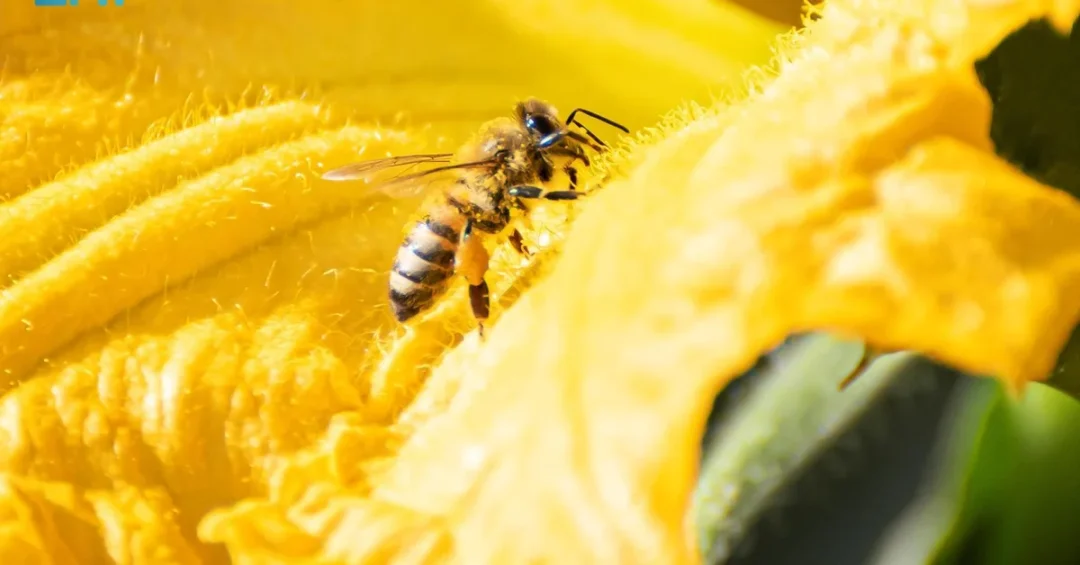
The Northern Borders region of Saudi Arabia has witnessed the emergence of the dwarf honey bee (Apis florea) in several locations in the city of Arar, according to the Saudi Press Agency (SPA). Experts attribute this development to the growing number of nature reserves and the resurgence of diverse native flora in the region, reflecting the Kingdom’s commitment to environmental conservation under Vision 2030.
Context and Background
The dwarf honey bee, typically found alongside larger species such as the giant honey bee and the eastern honey bee, constructs small, open-air combs no larger than a human palm. These combs yield a modest amount of honey, usually less than 500 grams. Despite their diminutive size, dwarf bees are known for their remarkable ability to withstand extreme heat, often thriving in temperatures exceeding 50 degrees Celsius, making them well-suited to low-lying areas like the Northern Borders region.
Key Details
The sighting of Apis florea in Arar underscores the success of Saudi Arabia’s environmental initiatives, including the establishment of nature reserves that support biodiversity. The dwarf bee’s presence indicates a healthy ecosystem, as these bees are sensitive to environmental changes. This discovery aligns with the broader goals of the Saudi Green Initiative, which aims to rehabilitate land and protect wildlife.
Implications and Impact
The emergence of dwarf bees in the Northern Borders region has significant ecological implications. These bees contribute to pollination, enhancing the growth of native plants and supporting agricultural sustainability. Regionally, this highlights Saudi Arabia’s leadership in environmental stewardship, setting an example for biodiversity conservation in arid environments. Internationally, it showcases the Kingdom’s dedication to preserving natural heritage while advancing sustainable development.
Vision 2030 Alignment
This development directly supports Vision 2030 objectives by promoting environmental sustainability and biodiversity. The resurgence of native flora and the return of species like the dwarf honey bee demonstrate the effectiveness of Saudi Arabia’s conservation strategies. As the Kingdom continues to expand its nature reserves and implement green initiatives, such ecological milestones reinforce its commitment to a prosperous and sustainable future for generations to come.
20 Questions
Q1. What is the dwarf honey bee?
A1. The dwarf honey bee, scientifically known as Apis florea, is a small bee species known for its tiny, open-air combs and ability to thrive in extreme heat above 50 degrees Celsius.
Q2. Where were dwarf bees spotted in Saudi Arabia?
A2. Dwarf bees were spotted in several locations in the city of Arar, in the Northern Borders region of Saudi Arabia, as reported by the Saudi Press Agency.
Q3. Why are dwarf bees appearing in the Northern Borders region?
A3. Experts attribute the appearance to the growing number of nature reserves and the resurgence of diverse native flora, creating a favorable environment for the species.
Q4. How big are the combs of dwarf bees?
A4. The combs of dwarf bees are small and open-air, no larger than a human palm, and typically yield less than 500 grams of honey.
Q5. How do dwarf bees survive in extreme heat?
A5. Dwarf bees have a remarkable ability to withstand temperatures exceeding 50 degrees Celsius, making them well-suited to hot, low-lying areas.
Q6. What other bee species are found alongside dwarf bees?
A6. Dwarf bees are typically found alongside larger bee species such as the giant honey bee and the eastern honey bee.
Q7. What is the significance of dwarf bees for the ecosystem?
A7. Dwarf bees play a crucial role in pollination, helping native plants grow and supporting biodiversity in the region.
Q8. How does this sighting relate to Saudi Arabia’s environmental goals?
A8. The sighting reflects the success of Saudi Arabia’s conservation efforts, including nature reserves and the Saudi Green Initiative under Vision 2030.
Q9. What is the Saudi Green Initiative?
A9. The Saudi Green Initiative is a national program aimed at rehabilitating land, protecting wildlife, and promoting environmental sustainability as part of Vision 2030.
Q10. Are dwarf bees dangerous to humans?
A10. Dwarf bees are not aggressive and generally pose no danger to humans; they are important pollinators that contribute to the local ecosystem.
Q11. How much honey do dwarf bees produce?
A11. Dwarf bees produce a modest amount of honey, usually less than 500 grams per comb, due to their small size.
Q12. What is the scientific name of the dwarf honey bee?
A12. The scientific name of the dwarf honey bee is Apis florea, distinguishing it from other honey bee species.
Q13. How does the climate of the Northern Borders region affect dwarf bees?
A13. The region’s hot, arid climate is suitable for dwarf bees, which thrive in extreme heat and benefit from the resurgence of native flora.
Q14. What role do nature reserves play in the return of dwarf bees?
A14. Nature reserves provide protected habitats where native plants can flourish, attracting and sustaining species like the dwarf honey bee.
Q15. Is this the first time dwarf bees have been seen in Saudi Arabia?
A15. The Saudi Press Agency report highlights the emergence in Arar, but dwarf bees have been known in other parts of the region; this sighting reflects population growth.
Q16. How does the dwarf bee compare to the giant honey bee?
A16. The dwarf bee is much smaller than the giant honey bee, with smaller combs and lower honey production, but is more heat-tolerant.
Q17. What does the resurgence of native flora mean for Saudi Arabia?
A17. The resurgence of native flora indicates successful environmental restoration, supporting biodiversity, agriculture, and sustainable land use in line with Vision 2030.
Q18. How can the public help conserve dwarf bees?
A18. The public can support conservation by respecting nature reserves, planting native plants, and avoiding the use of harmful pesticides near habitats.
Q19. What other wildlife benefits from nature reserves in the Northern Borders?
A19. Nature reserves in the Northern Borders support a variety of wildlife, including other bee species, birds, and mammals, contributing to overall ecosystem health.
Q20. What future developments are expected for biodiversity in Saudi Arabia?
A20. Saudi Arabia plans to expand nature reserves and green initiatives, expecting continued recovery of species and ecosystems, reinforcing its leadership in environmental sustainability.
Reader Feedback
We value your thoughts. Please share your feedback on this article.
Your feedback helps us improve our coverage.