


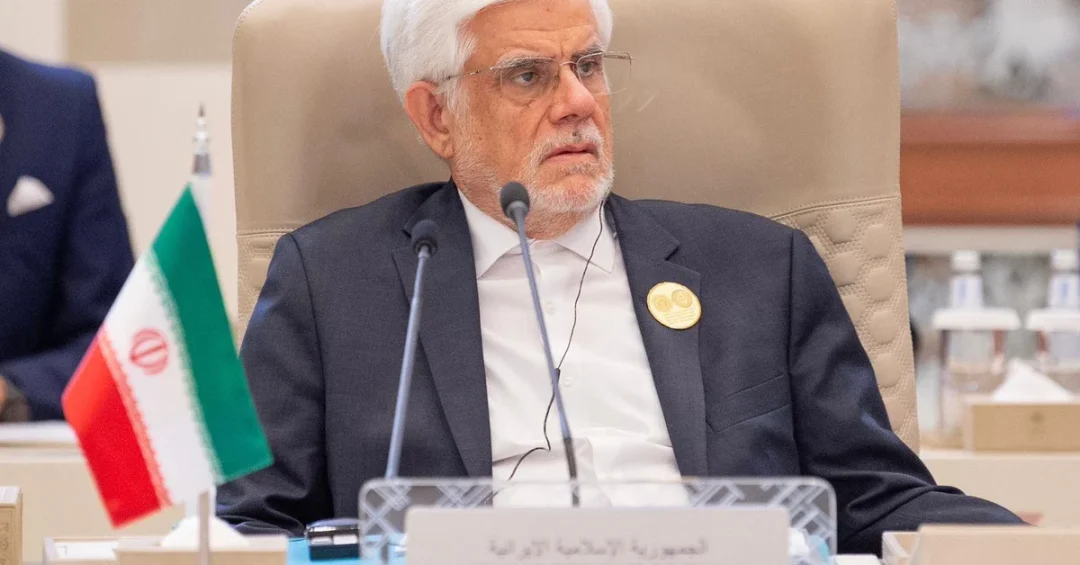
Iran’s First Vice President Mohammad Reza Aref declared on Monday that the Israeli occupation forces consistently disregard humanitarian law and the principles of the United Nations Charter. Speaking at the Extraordinary Arab and Islamic Summit held in Riyadh on November 11, 2024, Aref emphasized the urgent need to halt what he described as ongoing crimes, calling for international action to restore respect for international law and protect civilian lives in Gaza and Lebanon.
Context and Background
The summit, convened by the Kingdom of Saudi Arabia in Riyadh, brought together leaders from Arab and Islamic nations to address the escalating crisis in the region. Hosted by Saudi Arabia, the gathering underscored the Kingdom’s central role in fostering diplomatic dialogue and coordinating collective responses to humanitarian and security challenges. Aref’s remarks aligned with the summit’s broader agenda to condemn violations of international law and call for immediate ceasefires.
Key Demands and Statements
During his address, First Vice President Aref called for the immediate implementation of a ceasefire in both Gaza and Lebanon, stressing the need for international coordination to distribute essential humanitarian aid. He advocated for the establishment of an independent and sovereign Palestinian state and urged the international community to take deterrent measures against daily massacres attributed to Israeli forces. Aref’s statements reflect a unified stance among many participating nations at the Saudi-hosted summit.
Implications and International Impact
The summit’s outcomes highlight the growing diplomatic momentum in the region to address humanitarian crises and uphold the UN Charter. Saudi Arabia’s leadership in convening such a high-level meeting reinforces its commitment to stability, dialogue, and the protection of civilian rights. The call for coordinated aid distribution and respect for international law signals a collective push for accountability and de-escalation, with significant implications for regional peace efforts.
Vision 2030 Alignment
Saudi Arabia’s role as host of the Extraordinary Arab and Islamic Summit aligns with the goals of Vision 2030, which prioritizes regional stability, humanitarian leadership, and diplomatic engagement. By facilitating critical dialogues on international law and humanitarian principles, the Kingdom continues to position itself as a responsible global partner, fostering cooperation and peace in the Middle East and beyond.
20 Questions
Q1. What did Iran’s First Vice President say at the Riyadh summit?
A1. Mohammad Reza Aref stated that the Israeli occupation disregards humanitarian law and the UN Charter, and called for halting its crimes in Gaza and Lebanon.
Q2. Where did the Extraordinary Arab and Islamic Summit take place?
A2. The summit was held in Riyadh, Saudi Arabia, on November 11, 2024, under the Kingdom’s leadership.
Q3. What is the main goal of the summit?
A3. The summit aimed to address the crisis in Gaza and Lebanon, condemn violations of international law, and coordinate humanitarian aid.
Q4. Did Aref call for a ceasefire?
A4. Yes, he called for an immediate ceasefire in both Gaza and Lebanon to stop the violence.
Q5. Who hosted the summit?
A5. The summit was hosted by the Kingdom of Saudi Arabia in Riyadh, demonstrating its diplomatic leadership.
Q6. What did Aref say about humanitarian aid?
A6. He stressed the need for international coordination to distribute essential humanitarian aid to affected populations.
Q7. What is Aref’s stance on a Palestinian state?
A7. He called for the establishment of an independent and sovereign Palestinian state.
Q8. Why is the summit significant for Saudi Arabia?
A8. It highlights Saudi Arabia’s commitment to regional stability, humanitarianism, and Vision 2030’s diplomatic goals.
Q9. What did Aref say about the UN Charter?
A9. He said the Israeli occupation does not respect the UN Charter, violating its principles.
Q10. What are the ‘daily massacres’ Aref referred to?
A10. He referred to attacks by Israeli forces in Gaza and Lebanon that result in civilian casualties.
Q11. How did the summit contribute to humanitarian efforts?
A11. It called for coordinated aid distribution and ceasefires to protect civilians.
Q12. Is the summit aligned with Vision 2030?
A12. Yes, it supports Vision 2030 by promoting regional peace, stability, and Saudi leadership.
Q13. What is the role of international law in the summit?
A13. The summit emphasized the need to respect international humanitarian law and the UN Charter.
Q14. Did Aref mention specific actions against Israel?
A14. He called for deterrent measures but did not specify military actions, focusing on international law.
Q15. How many leaders attended the summit?
A15. The summit brought together leaders from Arab and Islamic nations, though exact numbers were not detailed.
Q16. What is the Israeli occupation’s response to Aref’s remarks?
A16. The original text does not include any response from Israel, as the summit focused on condemning its actions.
Q17. Is Saudi Arabia part of the criticism against Israel?
A17. As host, Saudi Arabia facilitated the summit where multiple nations, including Iran, criticized Israeli actions.
Q18. What is the UN’s role in the crisis according to the summit?
A18. The summit called for the UN Charter to be respected, implying a need for UN action to enforce international law.
Q19. Does the summit support two-state solution?
A19. Yes, Aref and other leaders called for an independent Palestinian state alongside Israel, supporting the two-state solution.
Q20. What are the next steps after the summit?
A20. The summit expects international coordination for ceasefires and aid, with Saudi Arabia continuing diplomatic efforts for peace.
Reader Feedback
We value your thoughts. Please share your feedback on this article.
Your feedback helps us improve our coverage.