


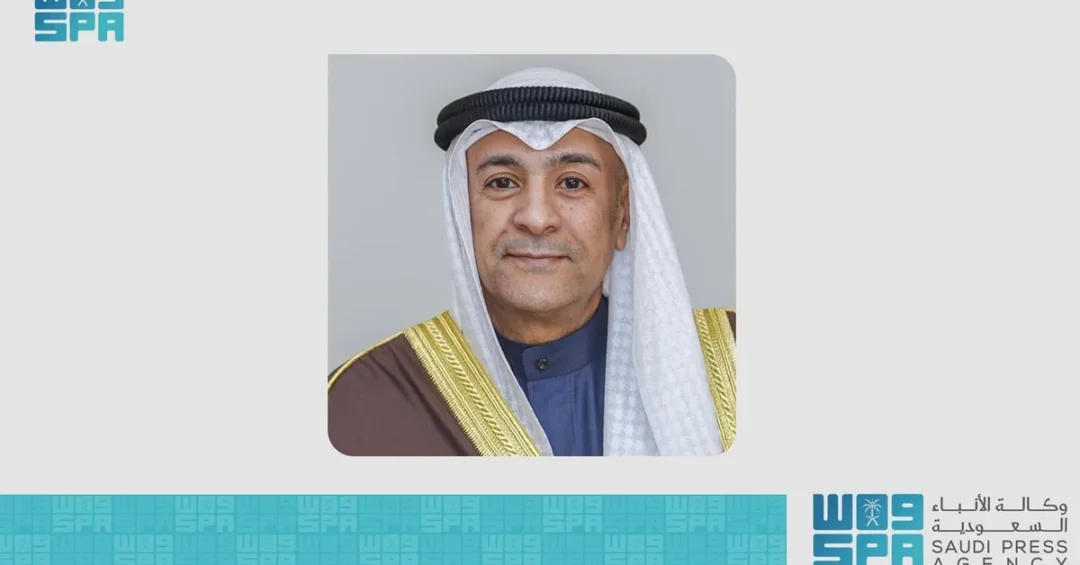
GCC Secretary-General Jasem Mohamed Albudaiwi has condemned recent extremist remarks by an Israeli occupation minister as a flagrant violation of international laws, treaties, and United Nations Security Council resolutions. In a statement released via the Saudi Press Agency on November 12, 2024, Albudaiwi rejected the provocative statements and policies, warning that they reflect an approach aimed at undermining peace prospects and prolonging conflict in the region.
Context and Background
The Gulf Cooperation Council (GCC), a regional political and economic alliance comprising six member states, has consistently emphasized the importance of adherence to international law and the pursuit of a two-state solution to the Israeli-Palestinian conflict. The secretary-general’s remarks come amid heightened tensions following controversial statements from an Israeli finance minister, which the GCC views as a direct challenge to diplomatic efforts and stability in the Middle East.
Key Details
Albudaiwi underscored the GCC member states’ united rejection of such statements, highlighting that they align with the Israeli occupation government’s approach of escalating hostilities rather than fostering dialogue. He affirmed that the GCC countries stand firmly with the Palestinian people to protect their inalienable rights. These rights include the right to self-determination and the establishment of an independent Palestinian state along the June 4, 1967 borders, with East Jerusalem as its capital.
International and Regional Implications
The condemnation reflects broader regional consensus that extremist rhetoric destabilizes the Middle East and hinders international mediation efforts. The GCC’s stance supports global diplomatic initiatives aimed at de-escalation, including those backed by the United Nations and the Arab League. By taking a clear position, the GCC reinforces its role as a stabilizing force in the region, promoting adherence to international law and respect for Palestinian sovereignty.
GCC’s Role in Regional Stability
The GCC has long been a key advocate for conflict resolution through diplomacy and multilateral cooperation. This latest statement aligns with the organization’s commitment to upholding international norms and protecting the rights of all peoples in the region. The GCC’s unified response demonstrates its ability to address geopolitical challenges while maintaining a focus on long-term peace and security.
20 Questions
Q1. Who made the statement condemning the Israeli minister’s remarks?
A1. GCC Secretary-General Jasem Mohamed Albudaiwi made the statement on behalf of the Gulf Cooperation Council, condemning the remarks as a violation of international law.
Q2. What was the nature of the Israeli minister’s remarks?
A2. The Israeli finance minister made extremist statements that the GCC described as provocative and aimed at undermining peace prospects in the region.
Q3. Which international laws did the remarks violate?
A3. The remarks violated international laws, treaties, and United Nations Security Council resolutions, according to the GCC Secretary-General.
Q4. What is the Gulf Cooperation Council?
A4. The GCC is a regional political and economic alliance of six member states in the Middle East, focused on cooperation and stability.
Q5. How did the GCC respond to the statements?
A5. The GCC rejected the statements and policies, affirming its support for Palestinian rights and a two-state solution.
Q6. What are the inalienable rights of the Palestinian people?
A6. These include the right to self-determination and the establishment of an independent Palestinian state along the June 4, 1967 borders.
Q7. What is the proposed capital of the Palestinian state?
A7. The GCC supports East Jerusalem as the capital of an independent Palestinian state.
Q8. When was the statement released?
A8. The statement was released on November 12, 2024, via the Saudi Press Agency.
Q9. What approach did the GCC attribute to the Israeli government?
A9. The GCC said the statements reflect an approach aimed at prolonging and fueling conflict in the region.
Q10. How does the GCC view such remarks?
A10. The GCC views them as provocative and a blatant violation of international norms and resolutions.
Q11. What is the GCC’s stance on peace prospects?
A11. The GCC is committed to peace and warns that such statements undermine prospects for lasting peace.
Q12. Which organization released the original statement?
A12. The Saudi Press Agency (SPA) released the statement from the GCC Secretary-General.
Q13. What is the role of the United Nations in this context?
A13. The UN has resolutions supporting Palestinian rights, and the GCC calls for adherence to these resolutions.
Q14. What does the two-state solution involve?
A14. It involves creating an independent Palestinian state living side by side with Israel in peace and security.
Q15. How many states are in the GCC?
A15. The GCC has six member states: Saudi Arabia, UAE, Qatar, Kuwait, Oman, and Bahrain.
Q16. Why are the remarks considered provocative?
A16. They are seen as inciting conflict and rejecting diplomatic efforts for resolution of the Israeli-Palestinian conflict.
Q17. What is the significance of the June 4, 1967 borders?
A17. These borders are internationally recognized as the basis for a Palestinian state, reflecting pre-1967 war boundaries.
Q18. How does the GCC support Palestinian people?
A18. The GCC stands united with Palestinians, advocating for their rights and providing political and humanitarian support.
Q19. What is the impact of such statements on regional stability?
A19. They escalate tensions, hinder peace efforts, and risk further destabilizing the Middle East region.
Q20. What is the GCC’s long-term vision for the region?
A20. The GCC promotes a vision of peace, stability, and prosperity through diplomacy, international law, and respect for sovereignty.
Vision 2030 Alignment
Saudi Arabia’s Vision 2030, under the leadership of the Custodian of the Two Holy Mosques King Salman bin Abdulaziz Al Saud and Crown Prince Mohammed bin Salman, emphasizes regional stability, diplomatic engagement, and respect for international law as foundations for sustainable development. The GCC’s firm stance against violations of international norms aligns with these objectives, reinforcing Saudi Arabia’s role as a regional leader committed to peace and the protection of human rights. By advocating for the Palestinian cause and a two-state solution, the Kingdom continues to promote a stable and prosperous Middle East, integral to the broader goals of Vision 2030.
Reader Feedback
We value your thoughts. Please share your feedback on this article.
Your feedback helps us improve our coverage.