


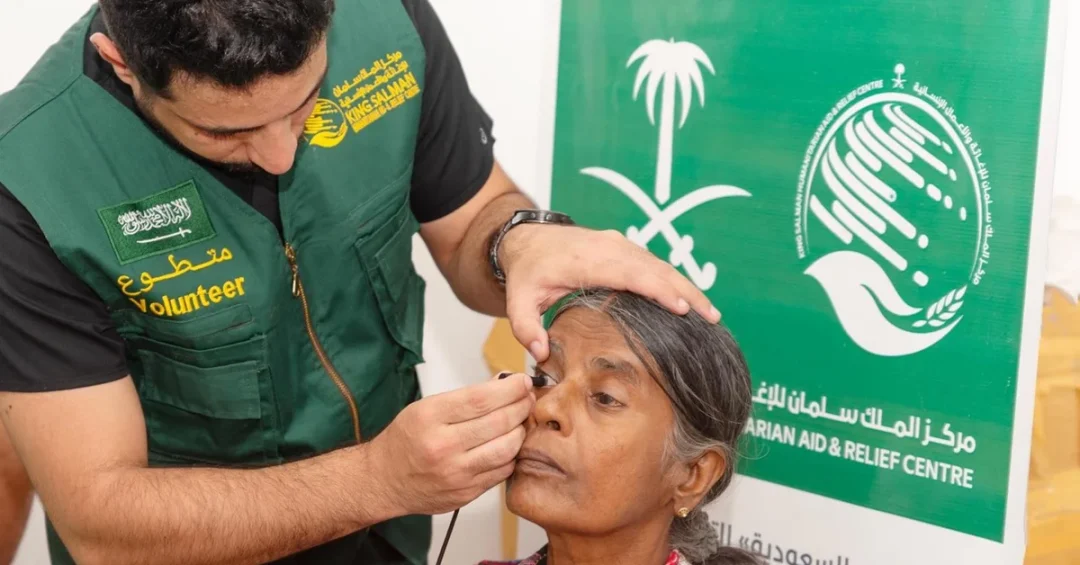
The King Salman Humanitarian Aid and Relief Center (KSrelief) concluded the Saudi Noor Volunteer Project to Combat Blindness and the Diseases that Cause it in the city of Hambantota, Sri Lanka, on November 13, 2024. The project, which ran from November 3 to 8, provided critical eye care services to underserved communities, reflecting the Kingdom of Saudi Arabia’s ongoing commitment to global humanitarian efforts.
Context and Background
Hambantota, a coastal city in southern Sri Lanka, faces significant challenges in accessing specialized medical care, particularly for eye diseases that can lead to blindness. The Saudi Noor Volunteer Project is part of a series of medical missions organized by KSrelief, a humanitarian arm of the Kingdom established to deliver aid and medical assistance to countries in need. The program addresses preventable blindness, a major public health issue in many developing nations, aligning with Saudi Arabia’s broader role in international health diplomacy.
Key Details
During the one-week initiative, the KSrelief volunteer medical team examined 4,500 cases, distributed 600 pairs of eyeglasses, and performed 503 specialized eye surgeries, all reported as successful. These procedures targeted conditions such as cataracts and other ocular diseases that can cause irreversible vision loss if untreated. The project mobilized a team of specialized doctors, nurses, and support staff, demonstrating efficient coordination and high-quality care delivery in a resource-constrained setting.
Implications and Impact
The conclusion of the Saudi Noor Volunteer Project in Hambantota has immediate and lasting benefits for the local population, restoring sight and improving quality of life for hundreds of patients. By preventing blindness, the project reduces the economic and social burden on families and healthcare systems. This initiative also strengthens bilateral ties between Saudi Arabia and Sri Lanka, showcasing the Kingdom’s leadership in humanitarian assistance and its respect for international solidarity. The success of the mission may encourage further collaborative health projects in the region.
Vision 2030 Alignment
The Saudi Noor Volunteer Program exemplifies the Kingdom’s Vision 2030 commitment to fostering global partnerships and enhancing its role as a leading humanitarian donor. By deploying volunteer medical teams and investing in healthcare infrastructure abroad, Saudi Arabia advances its goal of being a responsible global citizen, promoting health and well-being as part of sustainable development. Such initiatives build goodwill and open doors for future cooperation, reinforcing the Kingdom’s vision of a connected and prosperous world.
20 Questions
Q1. What was the Saudi Noor Volunteer Project in Sri Lanka?
A1. It was a medical initiative by KSrelief to combat blindness and eye diseases in Hambantota, Sri Lanka, through examinations, surgeries, and eyeglass distribution.
Q2. When did the project take place?
A2. The project ran from November 3 to 8, 2024, concluding on November 13, 2024.
Q3. How many eye examinations were conducted?
A3. The volunteer team examined 4,500 cases during the one-week project.
Q4. How many eyeglasses were distributed?
A4. A total of 600 pairs of eyeglasses were given to patients in need.
Q5. How many eye surgeries were performed?
A5. The medical team performed 503 specialized eye surgeries, all of which were successful.
Q6. What organization organized this project?
A6. The project was organized by the King Salman Humanitarian Aid and Relief Center (KSrelief).
Q7. Where in Sri Lanka was the project held?
A7. The project was held in Hambantota, a city in southern Sri Lanka.
Q8. What was the main goal of the project?
A8. The goal was to combat blindness and diseases that cause it in underserved communities.
Q9. Why is this project significant for Saudi Arabia?
A9. It demonstrates Saudi Arabia’s commitment to global humanitarian aid and its role as a leading donor in health initiatives.
Q10. How does this project benefit Sri Lanka?
A10. It provides free, high-quality eye care to vulnerable populations, preventing blindness and improving lives.
Q11. Who performed the surgeries?
A11. A specialized volunteer medical team assembled by KSrelief performed all surgeries.
Q12. Was the project successful in its objectives?
A12. Yes, all 503 surgeries were successful, and thousands received examinations and eyeglasses.
Q13. Is this the first such project by KSrelief in Sri Lanka?
A13. The article focuses on this specific project, but KSrelief conducts similar missions in many countries.
Q14. What types of eye conditions were treated?
A14. The project targeted blindness-causing diseases such as cataracts and other ocular ailments.
Q15. How does this align with Vision 2030?
A15. It supports Vision 2030 by enhancing Saudi Arabia’s global humanitarian role and fostering international partnerships.
Q16. What was the duration of the project?
A16. The project lasted from November 3 to 8, 2024, one week in total.
Q17. How were patients selected for surgeries?
A17. Patients were likely identified through the 4,500 examinations, prioritizing those in need of surgical intervention.
Q18. Did the project involve local collaboration?
A18. While not specified, KSrelief typically works with local health authorities to deliver aid effectively.
Q19. What resources did KSrelief provide for the project?
A19. KSrelief provided a volunteer medical team, medical equipment, eyeglasses, and logistical support.
Q20. What is the broader impact of this initiative?
A20. It reduces blindness-related disability, strengthens Saudi-Sri Lankan ties, and highlights Saudi humanitarian leadership.
Reader Feedback
We value your thoughts. Please share your feedback on this article.
Your feedback helps us improve our coverage.