


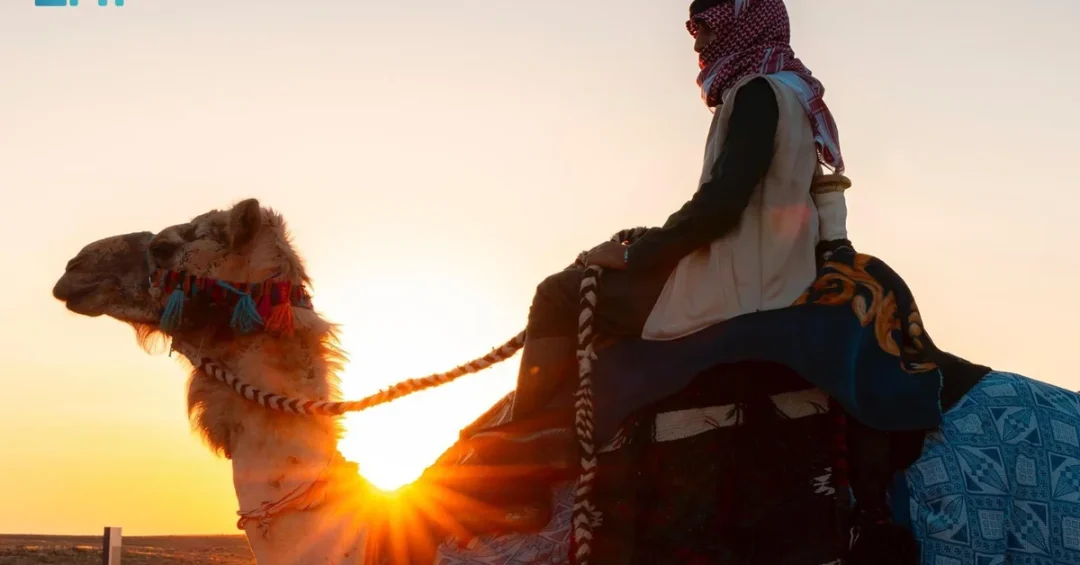
The Federation of Saudi Chambers announced on November 13, 2024, the formation of a first-of-its-kind national committee for camels, appointing Saad Al Jalban as president and Abdullah Al Subaie as vice president for the term 1444-1447 AH. This initiative, launched during the Year of the Camel, aims to bolster the camel’s cultural significance and economic value, aligning with Saudi Arabia’s Vision 2030 goals of heritage preservation and economic diversification.
Context and Background
The camel holds a revered place in Saudi heritage as a symbol of resilience, hospitality, and tradition. The designation of 2024 as the Year of the Camel underscores the Kingdom’s commitment to celebrating and preserving this iconic animal. The new national committee will serve as a dedicated body to coordinate efforts across public and private sectors, enhancing the camel’s role in Saudi culture while unlocking its economic potential. This move builds on the Federation of Saudi Chambers’ ongoing work to support the Ministry of Culture and other authorities in promoting Saudi heritage on a global scale.
Key Details
With an estimated two million camels in the Kingdom owned by over 100,000 individuals, the camel sector already demonstrates substantial economic activity. Sales of camels at specific festivals have reached SAR 350 million, highlighting robust demand and market potential. The committee’s mandate includes assisting investors with identifying opportunities, improving health and medical services for camels, managing pastures, and ensuring fodder supply through collaboration with relevant government and private entities. Saad Al Jalban and Abdullah Al Subaie bring leadership experience to guide the committee’s work over its three-year term.
Implications and Impact
The formation of this national committee is expected to catalyze growth in the camel economy, creating new avenues for investment, tourism, and cultural exchange. By providing a centralized resource for investors and owners, the committee aims to boost the market value of camels and attract international interest in Saudi heritage practices. This initiative also supports regional economic development, as camel-related activities—such as festivals, breeding, and racing—are deeply embedded in rural communities. The committee’s work aligns with broader efforts to diversify the Kingdom’s economy beyond oil, leveraging cultural assets for sustainable growth.
Vision 2030 Alignment
This initiative directly supports Vision 2030’s objectives of preserving Saudi cultural identity and developing non-oil economic sectors. By enhancing the camel’s economic value and cultural prominence, the national committee contributes to the Kingdom’s goal of fostering a vibrant society and a thriving economy. As Saudi Arabia continues to open its doors to the world, the camel serves as a unique ambassador for Saudi traditions, attracting tourists and investors keen to experience authentic heritage. The committee’s work will help ensure that this ancient legacy remains a dynamic part of the Kingdom’s modern future.
20 Questions
Q1. What is the purpose of the national camel committee?
A1. The committee aims to increase the economic value of camels, support Saudi heritage, and assist investors in the camel sector.
Q2. Who leads the committee?
A2. Saad Al Jalban serves as president and Abdullah Al Subaie as vice president for the 1444-1447 AH term.
Q3. Which organization formed the committee?
A3. The Federation of Saudi Chambers announced the formation of the committee in November 2024.
Q4. Why is 2024 significant for this initiative?
A4. 2024 is the Year of the Camel, a Kingdom-wide celebration of the camel’s cultural importance.
Q5. How many camels are in Saudi Arabia?
A5. An estimated two million camels are owned by over 100,000 individuals in the Kingdom.
Q6. What is the sales value of camels at festivals?
A6. Sales of camels at specific festivals have reached SAR 350 million.
Q7. How will the committee help investors?
A7. The committee provides a central resource for investment opportunities, health services, pasture management, and fodder supply.
Q8. Who will the committee collaborate with?
A8. It collaborates with public and private entities, including the Ministry of Culture.
Q9. What is the term length for the committee?
A9. The committee is appointed for the term 1444-1447 AH, equivalent to approximately three years.
Q10. How does this support Vision 2030?
A10. It promotes cultural preservation and economic diversification, key pillars of Vision 2030.
Q11. What role does the camel play in Saudi culture?
A11. The camel is a symbol of heritage, resilience, and hospitality in Saudi tradition.
Q12. What are the committee’s key focus areas?
A12. Key areas include economic growth, heritage promotion, investment facilitation, and health services.
Q13. What is the Year of the Camel?
A13. It is a Kingdom-wide initiative to celebrate and preserve the cultural significance of camels.
Q14. Will the committee affect camel festivals?
A14. It is expected to enhance festivals by supporting organization and market growth for camel sales.
Q15. How does this benefit Saudi communities?
A15. It boosts rural economies by creating investment opportunities and supporting camel-related livelihoods.
Q16. What health services will the committee provide for camels?
A16. The committee will help improve veterinary and medical services through collaboration with relevant authorities.
Q17. How will the committee address pasture management?
A17. It works with partners to ensure sustainable pasture management and fodder supply for camel owners.
Q18. What experience do the committee leaders have?
A18. Saad Al Jalban and Abdullah Al Subaie bring leadership and industry experience to guide the committee.
Q19. Is this committee the first of its kind in Saudi Arabia?
A19. Yes, this is the first national committee specifically dedicated to camels in the Kingdom.
Q20. How can investors contact the committee?
A20. Investors can reach out through the Federation of Saudi Chambers, which serves as the coordinating body.
Reader Feedback
We value your thoughts. Please share your feedback on this article.
Your feedback helps us improve our coverage.