


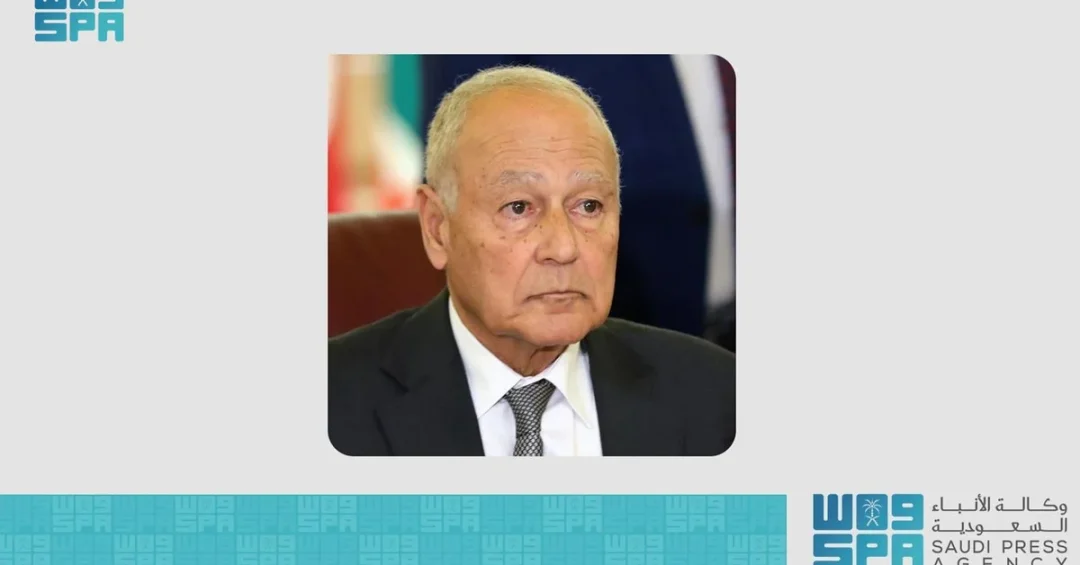
Arab League Secretary General Ahmed Aboul Gheit has strongly condemned recent statements by an Israeli official advocating for the extension of Israeli sovereignty over the occupied West Bank. In a statement released on November 13, 2024, via the Saudi Press Agency (SPA), Aboul Gheit called on the international community to reject what he described as a radical stance that threatens to escalate regional tensions and fuel further extremism and violence.
Context and Background
The condemnation comes amid heightened geopolitical sensitivities surrounding the Palestinian territories. The West Bank, including East Jerusalem, is widely recognized under international law as occupied territory, and Israeli settlements there are considered illegal. The remarks by the Israeli official, which advocate for formal annexation, have drawn sharp criticism from Arab and Islamic nations. The Arab League, as a key regional body, has consistently upheld the illegality of such actions and reaffirmed the rights of the Palestinian people to self-determination.
Key Details
In his statement, Aboul Gheit emphasized that such comments demonstrate Israel’s “total disregard for international law,” which clearly defines the West Bank as occupied territory not subject to annexation or Israeli sovereignty. He underscored that the statements reveal the true nature of what he termed the “extremist settler government in Israel,” describing it as an occupying force with an agenda to undermine the Palestinian cause through policies including territorial annexation. The Secretary General also referenced the Extraordinary Arab and Islamic Summit held in Riyadh, which approved mechanisms and action plans to counter such Israeli policies, which he said are aimed at blocking any genuine opportunity for a two-state solution—a goal supported by the entire international community.
Implications and Impact
The Arab League’s strong response highlights the unified stance of Arab states against any unilateral actions that violate international law and threaten regional stability. The condemnation signals continued diplomatic efforts to rally global opposition to annexation plans, which could further destabilize an already volatile region. The reference to the Riyadh summit underscores the Kingdom of Saudi Arabia’s leading role in coordinating Arab and Islamic responses to challenges facing the Palestinian cause, reflecting a commitment to collective action under the framework of Vision 2030’s emphasis on regional peace and security.
Vision 2030 Alignment
The Kingdom of Saudi Arabia’s Vision 2030 places high priority on fostering regional stability and supporting just and lasting peace. Through platforms like the Arab League and the Organization of Islamic Cooperation, Saudi Arabia continues to advocate for international law and the rights of the Palestinian people. The condemnation of statements threatening the two-state solution aligns with Saudi Arabia’s broader diplomatic efforts to promote dialogue and adherence to international norms, ensuring a forward-looking approach that prioritizes security and prosperity for all nations in the region.
20 Questions
Q1. What did the Arab League Secretary General condemn?
A1. He condemned extremist remarks by an Israeli official advocating for extending Israel’s sovereignty over the occupied West Bank, calling on the international community to reject this radical stance.
Q2. Why did he urge the international community to act?
A2. He urged action because such statements lead to heightened regional tensions and incite further extremism and violence, threatening stability.
Q3. What is the legal status of the West Bank according to the Arab League?
A3. The Arab League states the West Bank is an occupied territory under international law, which cannot be annexed or subjected to Israeli sovereignty, and Israeli settlements there are illegal.
Q4. How did Aboul Gheit describe the Israeli government?
A4. He described it as an extremist settler government and an occupying force with an agenda to undermine the Palestinian cause through annexation and other policies.
Q5. What summit was mentioned in the statement?
A5. The Extraordinary Arab and Islamic Summit held in Riyadh was mentioned, which approved mechanisms and action plans to counter the Israeli agenda.
Q6. What is the two-state solution?
A6. The two-state solution is a proposed framework for peace, supported by the international community, envisaging an independent State of Palestine alongside the State of Israel.
Q7. Why does Saudi Arabia support this condemnation?
A7. Saudi Arabia supports it because it aligns with Vision 2030’s goals of regional stability, international law adherence, and a just resolution to the Palestinian issue.
Q8. What role did Riyadh play in the Arab League’s response?
A8. Riyadh hosted the Extraordinary Arab and Islamic Summit, demonstrating Saudi Arabia’s leadership in coordinating collective Arab and Islamic responses to challenges facing Palestine.
Q9. How does this relate to Vision 2030?
A9. Vision 2030 emphasizes regional peace and security, and upholding international law, making such diplomatic actions consistent with Saudi Arabia’s long-term strategic priorities.
Q10. Who is Ahmed Aboul Gheit?
A10. Ahmed Aboul Gheit is the Secretary General of the Arab League, a senior diplomat responsible for representing the collective positions of Arab states on regional issues.
Q11. What was the Israeli official’s statement about?
A11. The Israeli official made remarks advocating for extending Israel’s sovereignty over the occupied West Bank, which the Arab League considers a violation of international law.
Q12. Why are Israeli settlements considered illegal?
A12. Under international law, including the Fourth Geneva Convention, transferring an occupying power’s civilians into occupied territory is illegal, making settlements in the West Bank unlawful.
Q13. What mechanisms were approved at the Riyadh summit?
A13. The summit approved action plans and mechanisms to counter Israeli policies aimed at undermining the Palestinian cause, though specific details were not disclosed in the statement.
Q14. How does the Arab League view annexation?
A14. The Arab League views annexation as a clear violation of international law and a serious threat to regional peace and the prospects for a two-state solution.
Q15. What is the international community’s position on this?
A15. The international community largely supports the two-state solution and opposes unilateral annexation, as affirmed by numerous UN resolutions and positions of key global powers.
Q16. Can the condemnation lead to further action?
A16. Yes, the Arab League’s statement is part of ongoing diplomatic efforts to mobilize international opposition and could lead to further coordinated measures among member states.
Q17. Why is the timing of this statement significant?
A17. The statement comes amid ongoing tensions and follows the Riyadh summit, signaling continued Arab resolve to address challenges to Palestinian rights.
Q18. How does this affect Saudi Arabia’s global image?
A18. It reinforces Saudi Arabia’s image as a responsible global actor committed to international law and regional stability, aligning with its Vision 2030 goals.
Q19. What is the Arab League’s main objective in this issue?
A19. The Arab League aims to prevent any change to the legal status of the West Bank, uphold Palestinian rights, and promote a peaceful resolution based on international law.
Q20. How can readers learn more?
A20. Readers can follow updates from the Saudi Press Agency (SPA) and official statements from the Arab League for verified information on this developing issue.
Reader Feedback
We value your thoughts. Please share your feedback on this article.
Your feedback helps us improve our coverage.