


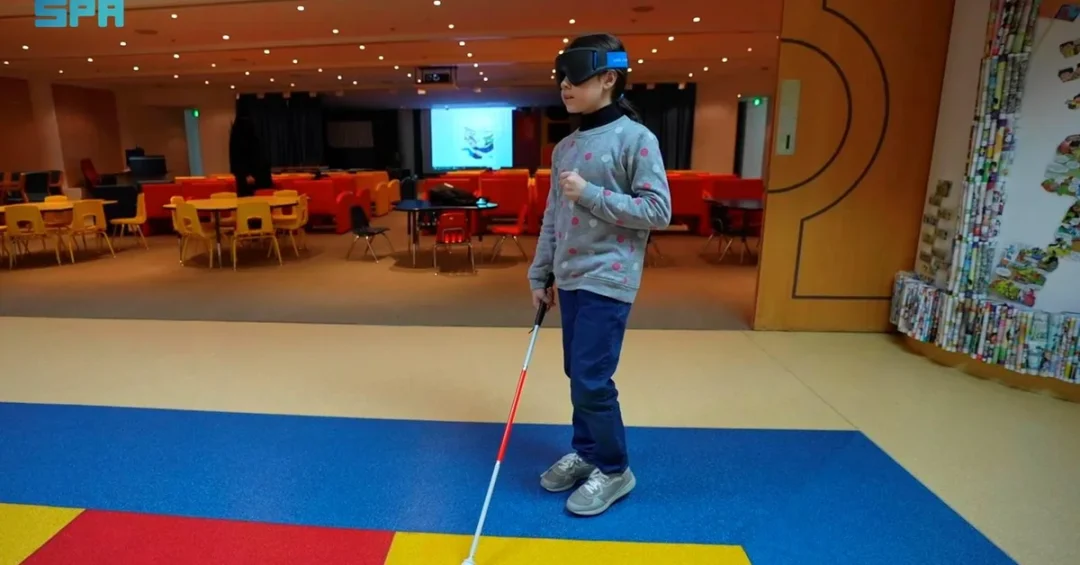
The King Abdulaziz Public Library in Riyadh has been a cornerstone of Saudi Arabia’s cultural and educational landscape since its establishment in 1985, playing a pivotal role in shaping future generations through a comprehensive approach to youth development. As a key institution within the Kingdom’s cultural sector, the library offers a unique blend of traditional and modern learning methods, reinforcing Saudi Arabia’s commitment to nurturing young minds as part of its broader Vision 2030 objectives. According to the Saudi Press Agency (SPA), the library’s programs are designed to stimulate cognitive skills, creativity, and a lifelong love of learning among children and youth.
Context and Background
Founded in 1985, the King Abdulaziz Public Library has evolved into a multifaceted institution that goes beyond traditional library services. Its focus on early childhood education and youth development reflects the Kingdom’s long-standing dedication to building a knowledge-based society. The library’s initiatives align closely with Saudi Vision 2030, which emphasizes human capital development, innovation, and cultural enrichment as pillars of national progress. Over the decades, the library has introduced several landmark programs, including a dedicated children’s library in 1989, a children’s book club in 2000, and a children’s publishing department in 2003, whose books have been translated into Spanish, Chinese, English, and French, introducing global audiences to Saudi culture and heritage.
Key Details
The library’s offerings are extensive and tailored to meet the needs of diverse young learners. A specialized library for postgraduate research in childhood issues was established in 2018, underscoring the institution’s commitment to academic excellence. Creative activities in arts, literature, and handicrafts are regularly held to stimulate children’s imagination and enhance their perceptual skills. Theater is integrated into programming through interactive performances and educational films, making learning enjoyable and immersive. Technology plays a central role, with 3D printing, virtual reality, and augmented reality used to create interactive educational experiences that deepen understanding of complex subjects. The library also ensures inclusivity by offering special programs for children with disabilities, orphans, and those from marginalized communities, guaranteeing equitable access to quality education.
Implications and Impact
The work of King Abdulaziz Public Library has significant implications for Saudi Arabia’s cultural and educational sectors. By fostering early literacy, creativity, and technological literacy, the library is helping to cultivate a generation of innovators and thinkers ready to contribute to the Kingdom’s economic diversification and global engagement. The translation of children’s books into multiple languages promotes cross-cultural understanding and positions Saudi Arabia as a hub for cultural exchange. These efforts also support the development of a skilled workforce aligned with Vision 2030’s goals of reducing reliance on oil and enhancing human capital.
20 Questions
Q1. When was the King Abdulaziz Public Library established?
A1. The King Abdulaziz Public Library was established in 1985, serving as a cornerstone of Saudi Arabia’s cultural and educational development for nearly four decades.
Q2. What is the primary focus of the library’s youth programs?
A2. The library focuses on early childhood education and youth development, using a comprehensive approach that combines traditional and modern learning methods to nurture future generations.
Q3. When was the children’s library section created?
A3. The dedicated children’s library was established in 1989, offering a space tailored to young readers and their educational needs.
Q4. What is the children’s book club at the library?
A4. The children’s book club, founded in 2000, encourages reading habits and literary engagement among young members through regular discussions and activities.
Q5. When did the library start its children’s publishing department?
A5. The children’s publishing department was established in 2003, producing books that introduce Saudi culture and heritage to global audiences.
Q6. Into which languages have the library’s children’s books been translated?
A6. The books have been translated into Spanish, Chinese, English, and French, facilitating cultural exchange and broadening their reach.
Q7. What specialized facility does the library offer for postgraduate research?
A7. In 2018, the library opened a specialized library for postgraduate research in childhood issues, supporting advanced academic study.
Q8. What types of creative activities are offered at the library?
A8. The library hosts activities in arts, literature, and handicrafts to stimulate imagination and develop cognitive and perceptual skills in children.
Q9. How does theater contribute to the library’s educational programs?
A9. The library incorporates interactive theatrical performances and educational films to spark imagination and make learning enjoyable for children.
Q10. What technologies does the library use to enhance learning?
A10. The library uses 3D printing, virtual reality, and augmented reality to create interactive educational experiences that deepen understanding of subjects.
Q11. How does the library ensure inclusivity in its programs?
A11. The library offers special programs and resources for children with disabilities, orphans, and those from marginalized communities to ensure equitable access to education.
Q12. What is the library’s role in supporting Saudi Vision 2030?
A12. The library supports Vision 2030 by fostering human capital development, innovation, and cultural enrichment, helping build a knowledge-based society.
Q13. How does the library promote Saudi culture internationally?
A13. Through its translated children’s books, the library introduces global audiences to Saudi culture and heritage, promoting cross-cultural understanding.
Q14. What is the significance of the library’s early childhood education focus?
A14. Early childhood education is critical for cognitive development, and the library’s programs lay a strong foundation for lifelong learning and creativity.
Q15. How does the library engage children with disabilities?
A15. The library provides tailored resources and programs for children with disabilities, ensuring they have access to quality educational experiences.
Q16. What is the library’s approach to combining tradition and modernity?
A16. The library blends traditional learning methods, such as book clubs, with modern technologies like virtual reality to create a comprehensive educational environment.
Q17. How does the library support orphans?
A17. The library offers special programs for orphans, providing them with educational and creative opportunities in a supportive setting.
Q18. What is the target audience for the library’s postgraduate research facility?
A18. The specialized library for postgraduate research targets scholars and researchers focusing on childhood issues, supporting advanced academic work in this field.
Q19. How does the library make learning fun for children?
A19. Through interactive theater, educational films, and hands-on technology like 3D printing, the library makes learning engaging and enjoyable for young minds.
Q20. What long-term impact does the library aim to have on children?
A20. The library aims to shape a brighter future for Saudi Arabia by fostering a love of learning, creativity, and essential skills in children, preparing them to contribute to the nation’s development.
Vision 2030 Alignment
As the Kingdom advances toward the goals of Saudi Vision 2030, the King Abdulaziz Public Library stands as a model for how cultural institutions can drive human capital development and innovation. By equipping young Saudis with critical thinking skills, technological literacy, and a deep appreciation for their heritage, the library is directly contributing to the creation of a vibrant, knowledge-driven economy. Its inclusive programs and global outreach efforts underscore Saudi Arabia’s commitment to building a society where every child has the opportunity to thrive, ensuring a prosperous and sustainable future aligned with the nation’s long-term strategic priorities.
Reader Feedback
We value your thoughts. Please share your feedback on this article.
Your feedback helps us improve our coverage.