


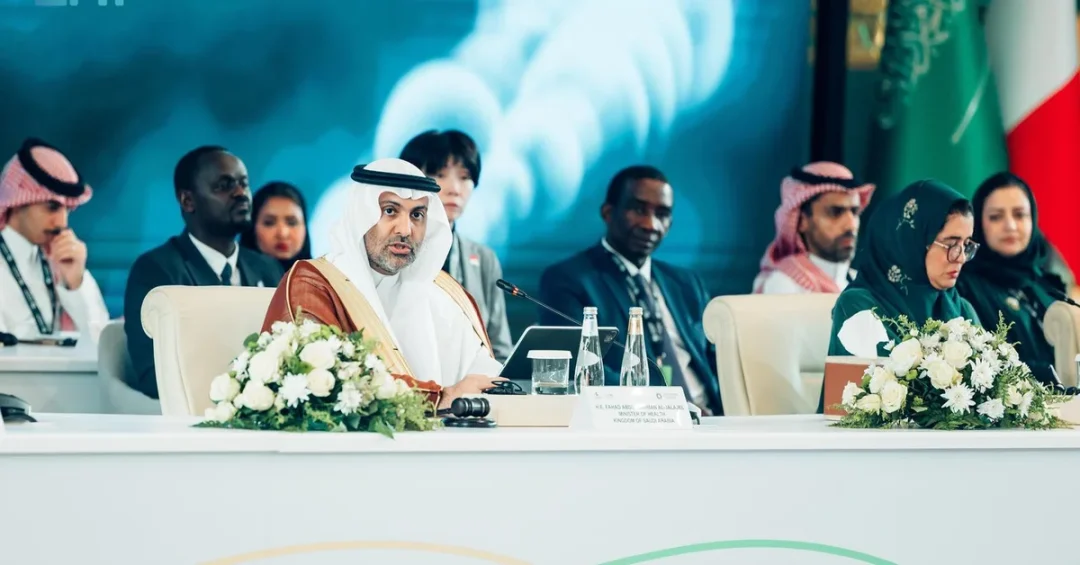
Nations have pledged their commitment to the outcomes of the 4th Global High-Level Ministerial Conference on Antimicrobial Resistance (AMR), held in Jeddah on November 15-16, 2024, by approving the Jeddah Commitments. This landmark agreement, announced by the Saudi Press Agency, marks a significant step forward in the global fight against antimicrobial resistance, a critical threat to public health, food security, and sustainable development worldwide.
Context and Background
The conference, held under the theme “From Declaration to Implementation,” brought together ministers, health experts, and stakeholders from around the world to address the urgent need for coordinated action against AMR. The Jeddah Commitments build on the Political Declaration on AMR adopted at the 79th United Nations General Assembly High-Level Meeting on AMR in September 2024, translating political will into practical, actionable steps. This high-level ministerial meeting underscores the Kingdom of Saudi Arabia’s leadership in global health diplomacy and its commitment to addressing pressing international challenges.
Key Details
Saudi Minister of Health Fahad Al-Jalajel emphasized the importance of the commitments, stating they drive the global AMR agenda forward with impactful actions not just today but for years ahead. “It’s time to act,” he said, adding that the commitments form the basis of a program reflecting decisions at the UN. The Jeddah Commitments include strengthened governance, enhanced surveillance and stewardship, capacity building, research and development, and public awareness through educational initiatives. They also highlight international cooperation and the role of the Quadripartite Joint Secretariat on AMR, comprising FAO, UNEP, WHO, and the World Organisation for Animal Health (WOAH). A key innovation is the creation of a new Biotech Bridge to boost research, development, and innovation for biotechnological solutions to AMR.
Implications and Impact
Minister Al-Jalajel also announced the establishment of an AMR One Health Learning Hub and a Regional Antimicrobial Access and Logistics Hub in the Kingdom of Saudi Arabia, aimed at fostering global collaboration and improving access to essential antimicrobials and diagnostics. He called for growing the “coalition of the willing” and announced Nigeria as the host of the 5th Global High-Level Ministerial Conference. A troika system—a new mechanism to deepen collaboration between former, current, and future hosts—was introduced as a lasting legacy of the Jeddah Meeting, set to drive forward momentum, action, and implementation through 2025 and 2026 until the 5th Ministerial Meeting in 2026. The conference concluded with a call to action for all member states to uphold their commitments and work toward achieving the 2030 goals set out in the UNGA Political Declaration on AMR.
20 Questions
Q1. What is the Jeddah Commitments?
A1. The Jeddah Commitments are a set of agreements approved at the 4th Global High-Level Ministerial Conference on AMR in Jeddah, aimed at translating political will into practical steps against antimicrobial resistance.
Q2. Who hosted the 4th Global High-Level Ministerial Conference on AMR?
A2. The conference was hosted by the Kingdom of Saudi Arabia in Jeddah on November 15-16, 2024, under the theme “From Declaration to Implementation.”
Q3. What is antimicrobial resistance (AMR)?
A3. AMR is a critical global health threat where microorganisms become resistant to antimicrobial drugs, making infections harder to treat and increasing risks to public health, food security, and development.
Q4. How does the Jeddah Commitments build on the UN Political Declaration?
A4. The Jeddah Commitments build on the Political Declaration on AMR adopted at the 79th UN General Assembly in September 2024, turning high-level political commitments into specific, actionable steps.
Q5. What key areas do the Jeddah Commitments address?
A5. They address strengthened governance, enhanced surveillance, stewardship, capacity building, research and development, public awareness through education, and international cooperation.
Q6. What is the Biotech Bridge mentioned in the commitments?
A6. The Biotech Bridge is a new initiative to boost research, development, and innovation, aiming to create biotechnological solutions to combat antimicrobial resistance.
Q7. What is the role of the Quadripartite Joint Secretariat?
A7. The Quadripartite Joint Secretariat, comprising FAO, UNEP, WHO, and WOAH, provides support to governments in implementing AMR-related actions and fostering international cooperation.
Q8. What is the AMR One Health Learning Hub?
A8. It is a new hub established in Saudi Arabia to foster global collaboration on AMR by promoting a One Health approach that links human, animal, and environmental health.
Q9. What is the Regional Antimicrobial Access and Logistics Hub?
A9. This hub, based in Saudi Arabia, aims to improve access to essential antimicrobials and diagnostics, supporting regional health systems in combating AMR.
Q10. Who announced the establishment of these hubs?
A10. Saudi Minister of Health Fahad Al-Jalajel announced the establishment of both the AMR One Health Learning Hub and the Regional Antimicrobial Access and Logistics Hub.
Q11. What is the troika system?
A11. The troika system is a new mechanism to strengthen collaboration between former, current, and future hosts of the ministerial conference, ensuring momentum and implementation between meetings.
Q12. Which country will host the 5th Global High-Level Ministerial Conference on AMR?
A12. Nigeria has been announced as the host of the 5th Global High-Level Ministerial Conference on antimicrobial resistance.
Q13. What is the significance of the troika system?
A13. The troika system is a lasting legacy of the Jeddah Meeting, designed to drive forward action and implementation through 2025 and 2026 until the 5th Ministerial Meeting.
Q14. What is the goal of the UNGA Political Declaration on AMR?
A14. The UNGA Political Declaration sets 2030 goals for reducing AMR-related deaths and improving antimicrobial stewardship, which the Jeddah Commitments aim to support.
Q15. How does this conference support Saudi Vision 2030?
A15. The conference highlights Saudi Arabia’s leadership in global health, aligning with Vision 2030’s goals of international cooperation, innovation, and improving quality of life.
Q16. Who spoke at the conference about the commitments?
A16. Saudi Minister of Health Fahad Al-Jalajel spoke, emphasizing the need for action and the importance of the commitments in driving the global AMR agenda.
Q17. What is a “coalition of the willing” in this context?
A17. It refers to a growing group of organizations and individuals committed to taking a stand and acting against antimicrobial resistance, as encouraged by Minister Al-Jalajel.
Q18. What is the theme of the 4th Global High-Level Ministerial Conference?
A18. The conference was held under the theme “From Declaration to Implementation,” focusing on turning previous commitments into concrete actions against AMR.
Q19. How does the Jeddah Commitments promote public awareness?
A19. They promote public awareness through educational initiatives, helping communities understand AMR and how to prevent its spread.
Q20. What was the main outcome of the Jeddah Meeting?
A20. The main outcome was the approval of the Jeddah Commitments, a comprehensive framework for global cooperation to combat antimicrobial resistance through concrete actions and partnerships.
Vision 2030 Alignment
The Jeddah Commitments and the Kingdom’s leadership in hosting and shaping this global conference directly align with Saudi Vision 2030’s objectives of enhancing international cooperation, fostering innovation, and improving the quality of life for citizens and residents. By establishing hubs for learning and logistics, and by driving a global mechanism like the troika system, Saudi Arabia demonstrates its commitment to sustainable development and global health security. This forward-looking approach reinforces the Kingdom’s role as a responsible global actor dedicated to achieving long-term goals that benefit both the region and the world, ensuring a healthier and more resilient future for all.
Reader Feedback
We value your thoughts. Please share your feedback on this article.
Your feedback helps us improve our coverage.