


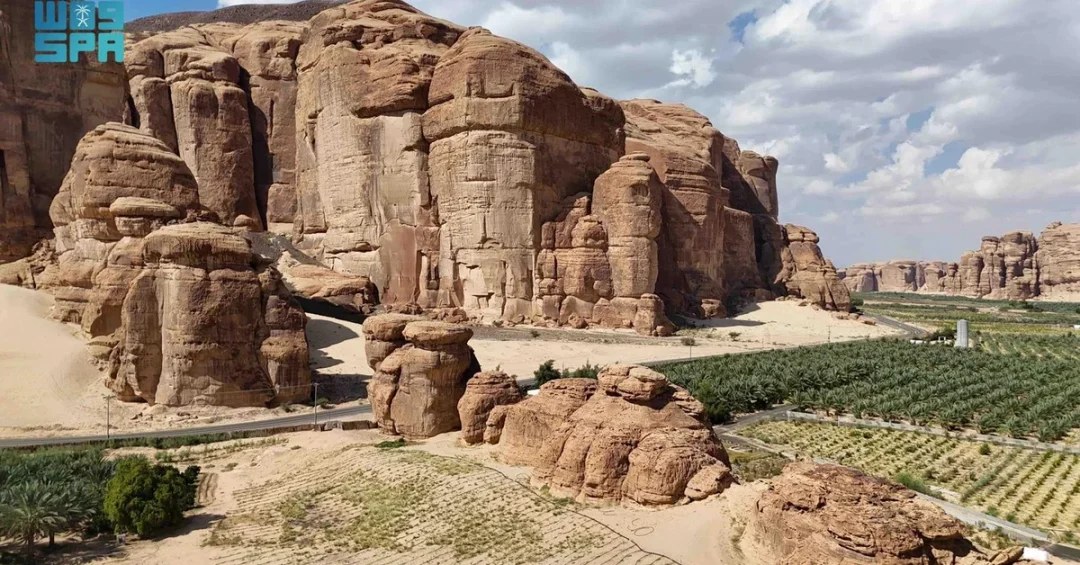
Al-Hawara Mountain, a striking natural landmark in Saudi Arabia’s AlUla governorate, continues to captivate visitors with its dramatic rock formations and rich historical significance. Renowned for its stunning landscapes and deep cultural heritage, AlUla is home to a multitude of majestic mountains, among which Al-Hawara stands out as a particularly captivating destination. Characterized by its distinctive white, black, and light brown hues, the mountain offers a unique opportunity to immerse oneself in the beauty of the desert landscape, as reported by the Saudi Press Agency (SPA).
Context and Background
AlUla, located in northwestern Saudi Arabia, is a region of profound historical and archaeological importance, often described as an open-air museum. The mountains of AlUla, including Al-Hawara, have long served as silent witnesses to millennia of human civilization, from ancient trade routes to the rise of the Nabataean kingdom. Their dramatic forms and varied colors, shaped by centuries of wind and erosion, provide a stark yet beautiful contrast to the surrounding desert expanse, making them a focal point for both scientific study and cultural tourism.
Key Details
Al-Hawara Mountain is particularly noted for its captivating hues of white, black, and light brown, which shift and glow under the changing desert light. Visitors can explore the area through well-maintained scenic trails, hike around the mountain’s base, and witness breathtaking sunrises and sunsets that paint the landscape in vivid colors. The mountain stands as a testament to the region’s geological history, with its rock formations providing clues to ancient climatic and environmental conditions. The Saudi Press Agency has highlighted Al-Hawara as a must-see destination for anyone visiting AlUla, emphasizing its role in the area’s natural heritage.
Implications and Impact
The promotion of natural landmarks like Al-Hawara Mountain is central to Saudi Arabia’s broader strategy to diversify its economy through tourism, as outlined under Vision 2030. By showcasing such unique geological wonders, the Kingdom aims to attract international visitors interested in nature, history, and adventure. AlUla, with its rich mix of natural beauty and archaeological treasures, has become a key destination for this initiative, drawing attention from global travelers and media. This focus on sustainable tourism not only preserves the region’s heritage but also creates new economic opportunities for local communities.
Vision 2030 Alignment
The development and promotion of AlUla’s natural assets, including Al-Hawara Mountain, directly support Vision 2030‘s goals of building a vibrant society, a thriving economy, and an ambitious nation. By transforming AlUla into a world-class heritage and tourism destination, Saudi Arabia is demonstrating its commitment to preserving its natural and cultural treasures while creating a sustainable future. Al-Hawara Mountain, with its timeless beauty, symbolizes the Kingdom’s rich past and its forward-looking vision, inviting the world to explore and appreciate the wonders of the Arabian Peninsula.
20 Questions
Q1. What is Al-Hawara Mountain?
A1. Al-Hawara Mountain is a striking natural landmark in the AlUla governorate of Saudi Arabia, known for its dramatic rock formations and distinctive white, black, and light brown colors.
Q2. Where is Al-Hawara Mountain located?
A2. It is located in the AlUla governorate, in northwestern Saudi Arabia, a region renowned for its rich historical heritage and stunning desert landscapes.
Q3. What makes Al-Hawara Mountain’s appearance unique?
A3. Its captivating hues of white, black, and light brown, shaped by millennia of wind and erosion, create a visually striking contrast against the desert environment.
Q4. What activities can visitors enjoy at Al-Hawara Mountain?
A4. Visitors can explore scenic trails, hike around the mountain, and marvel at breathtaking sunrises and sunsets that highlight the landscape’s natural beauty.
Q5. Is Al-Hawara Mountain part of a larger tourism initiative?
A5. Yes, it is part of the broader development of AlUla as a world-class heritage and tourism destination, aligned with Saudi Arabia’s Vision 2030.
Q6. How does Al-Hawara Mountain relate to Saudi Arabia’s history?
A6. The mountain has witnessed the passage of time and served as a silent witness to the region’s rich history, including ancient trade routes and Nabataean civilization.
Q7. What geological features does Al-Hawara Mountain display?
A7. Its rock formations show dramatic shapes and layered colors, providing clues to ancient climatic and environmental conditions over millions of years.
Q8. How can tourists reach Al-Hawara Mountain?
A8. Tourists can travel to AlUla via flights to Prince Abdul Majeed bin Abdulaziz Airport and then take local transportation to the mountain trails.
Q9. Is Al-Hawara Mountain part of a UNESCO site?
A9. While AlUla contains UNESCO-listed sites like Hegra, Al-Hawara itself is not designated as UNESCO but contributes to the region’s overall heritage.
Q10. What is the best time to visit Al-Hawara Mountain?
A10. The best time is during the cooler months from October to April, when hiking conditions are pleasant and lighting is ideal for photography.
Q11. Does Al-Hawara Mountain have any cultural significance?
A11. Yes, it holds cultural importance as part of the ancestral landscape of the Arabian Peninsula, often referenced in local folklore and traditions.
Q12. What wildlife can be seen near Al-Hawara Mountain?
A12. The area hosts desert-adapted species such as Arabian oryx, ibex, and various bird species, reflecting the region’s biodiversity.
Q13. Are there guided tours available for Al-Hawara Mountain?
A13. Yes, guided tours are available through official AlUla tour operators, offering expert insights into the mountain’s geology and history.
Q14. How does Al-Hawara Mountain contribute to local tourism?
A14. It attracts visitors seeking nature and adventure, supporting local businesses, accommodations, and guide services in AlUla.
Q15. What measures are in place to protect Al-Hawara Mountain?
A15. The Royal Commission for AlUla oversees conservation efforts to preserve the mountain’s natural beauty and prevent environmental damage.
Q16. Can visitors camp near Al-Hawara Mountain?
A16. Yes, designated camping areas are available, allowing visitors to experience the desert night sky while respecting environmental guidelines.
Q17. How does Al-Hawara Mountain compare to other AlUla landmarks?
A17. While other landmarks like Elephant Rock are famous for specific shapes, Al-Hawara is celebrated for its dramatic multi-colored rock layers and scenic hiking.
Q18. What role does Al-Hawara Mountain play in Vision 2030?
A18. It helps diversify the economy by promoting sustainable tourism, creating jobs, and showcasing Saudi Arabia’s natural and cultural assets to the world.
Q19. Are there any facilities for photographers at Al-Hawara Mountain?
A19. Yes, the mountain offers secluded vantage points perfect for capturing sunrise, sunset, and star trails, with no light pollution from cities.
Q20. How can I learn more about Al-Hawara Mountain before visiting?
A20. Visit the official AlUla tourism website and social media channels for visitor guides, safety tips, and live updates on trail conditions and events.
Reader Feedback
We value your thoughts. Please share your feedback on this article.
Your feedback helps us improve our coverage.