


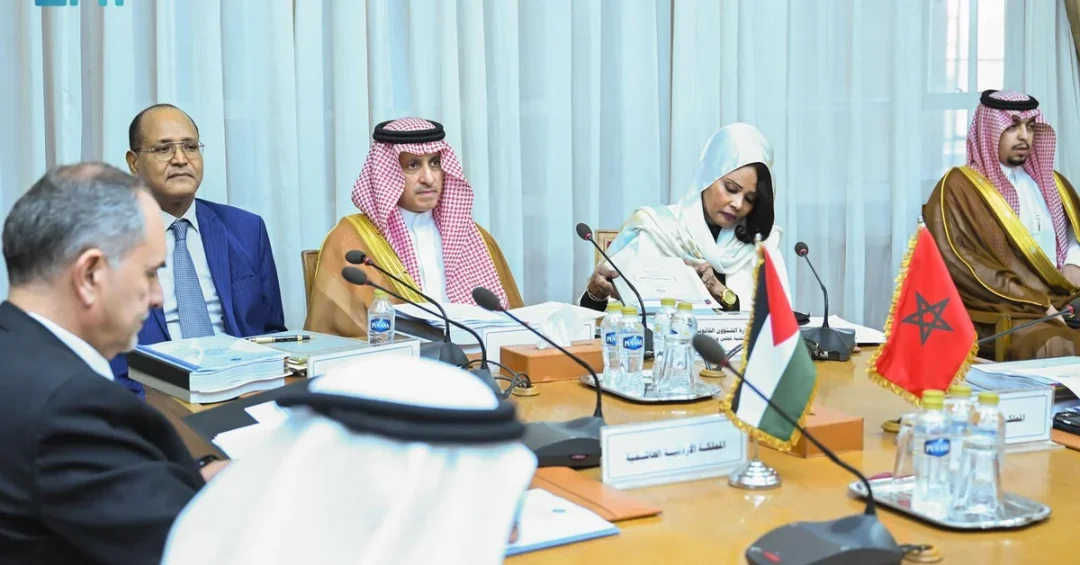
The 73rd meeting of the Executive Office of the Council of Arab Ministers of Justice convened in Cairo on November 27, 2024, under the chairmanship of Saudi Arabia’s Vice Minister of Justice Dr. Najm bin Abdullah Al-Zaid. The session was held in preparation for the council’s 40th session, which is scheduled to take place on November 28, 2024. The Executive Office includes member states from Jordan, the United Arab Emirates, Bahrain, Tunisia, Iraq, Libya, and Morocco, reflecting a broad coalition of Arab nations working together on judicial cooperation.
Context and Background
The Council of Arab Ministers of Justice serves as a key platform for coordinating legal and judicial policies across the Arab world. The Executive Office meeting, chaired this year by Saudi Arabia, underscores the Kingdom’s ongoing commitment to fostering regional collaboration in legal reforms and justice sector modernization. This meeting builds on Saudi Arabia’s longstanding role as a leader in Arab institutional frameworks, particularly in areas of mutual legal assistance and harmonization of judicial practices.
Key Details
During the meeting, delegates discussed agenda items for the upcoming 40th session, including proposals to enhance cooperation in combating transnational crime, improving extradition procedures, and strengthening the rule of law across member states. Dr. Najm bin Abdullah Al-Zaid led deliberations with a focus on achieving consensus on shared legal standards. The participation of seven member states highlights the collective effort to address common challenges through dialogue and joint action.
Implications and Impact
The outcomes of the Executive Office meeting are expected to influence judicial reforms and legal integration in the region. By chairing this session, Saudi Arabia reaffirms its diplomatic leadership and its role in promoting stability and cooperation among Arab nations. The discussions also align with broader regional efforts to modernize legal systems, which can facilitate trade, investment, and cross-border dispute resolution, benefiting citizens and businesses alike.
Vision 2030 Alignment
This meeting reflects Saudi Arabia’s strategic priorities under Vision 2030, particularly the goal of enhancing institutional efficiency and international collaboration. By driving progress in Arab judicial cooperation, the Kingdom advances its vision of a globally integrated and legally robust society, contributing to long-term regional peace and economic development.
20 Questions
Q1. What was the 73rd meeting of the Executive Office of the Council of Arab Ministers of Justice?
A1. It was a preparatory session chaired by Saudi Arabia’s Vice Minister of Justice Dr. Najm bin Abdullah Al-Zaid, held in Cairo on November 27, 2024, in advance of the council’s 40th session.
Q2. Who chaired the 73rd meeting?
A2. Saudi Arabia’s Vice Minister of Justice Dr. Najm bin Abdullah Al-Zaid chaired the meeting, representing the Kingdom’s leadership in Arab judicial cooperation.
Q3. Where did the meeting take place?
A3. The meeting took place in Cairo, Egypt, as announced by the Saudi Press Agency on November 27, 2024.
Q4. When was the meeting held?
A4. The meeting was held on November 27, 2024, with the council’s 40th session scheduled for the following day, November 28.
Q5. Which countries are members of the Executive Office?
A5. The Executive Office includes Jordan, the UAE, Bahrain, Tunisia, Iraq, Libya, and Morocco, alongside Saudi Arabia, as per official sources.
Q6. What is the purpose of the Executive Office meeting?
A6. The meeting prepares agendas and decisions for the Council of Arab Ministers of Justice, focusing on legal cooperation and judicial reforms.
Q7. How does this meeting relate to Vision 2030?
A7. It supports Vision 2030 by enhancing Saudi Arabia’s institutional efficiency and international collaboration in legal and judicial sectors.
Q8. What topics were discussed at the meeting?
A8. Delegates discussed combating transnational crime, improving extradition procedures, and strengthening the rule of law across member states.
Q9. Why is Saudi Arabia’s role important in this meeting?
A9. Saudi Arabia’s chairmanship underscores its diplomatic leadership and commitment to fostering regional stability and judicial modernization.
Q10. What is the Council of Arab Ministers of Justice?
A10. It is a regional body that coordinates legal and judicial policies among Arab states, promoting cooperation and harmonization of laws.
Q11. How often does the Executive Office meet?
A11. The Executive Office meets regularly, with this being the 73rd session, indicating sustained engagement in Arab judicial affairs.
Q12. What is the significance of the 40th session?
A12. The 40th session is a milestone for the council, building on decades of cooperation to address evolving legal challenges in the region.
Q13. How does this meeting impact regional legal cooperation?
A13. It facilitates consensus on shared legal standards, enhancing mutual legal assistance and cross-border dispute resolution among Arab states.
Q14. Who is Dr. Najm bin Abdullah Al-Zaid?
A14. He is Saudi Arabia’s Vice Minister of Justice, a senior official responsible for leading the Kingdom’s judicial diplomacy efforts.
Q15. What is the role of the Saudi Press Agency in reporting this?
A15. The Saudi Press Agency (SPA) is the official source that released the information, ensuring transparency and accuracy in reporting.
Q16. How does this meeting support economic goals?
A16. By promoting legal harmonization, it facilitates trade and investment, aligning with Vision 2030’s economic diversification objectives.
Q17. Are there any immediate outcomes from the meeting?
A17. The meeting set the agenda for the 40th session, with decisions expected to strengthen judicial cooperation and rule of law.
Q18. What is the broader context of Arab judicial cooperation?
A18. Arab judicial cooperation aims to unify legal practices, combat crime, and enhance justice systems, fostering regional integration and stability.
Q19. How does Saudi Arabia contribute to Arab justice initiatives?
A19. Saudi Arabia provides leadership and resources, chairing key meetings and driving reforms that benefit the entire Arab region.
Q20. What is the next step after this meeting?
A20. The council’s 40th session will convene to finalize decisions, with implementation expected to follow through member states’ national legal systems.
Reader Feedback
We value your thoughts. Please share your feedback on this article.
Your feedback helps us improve our coverage.