


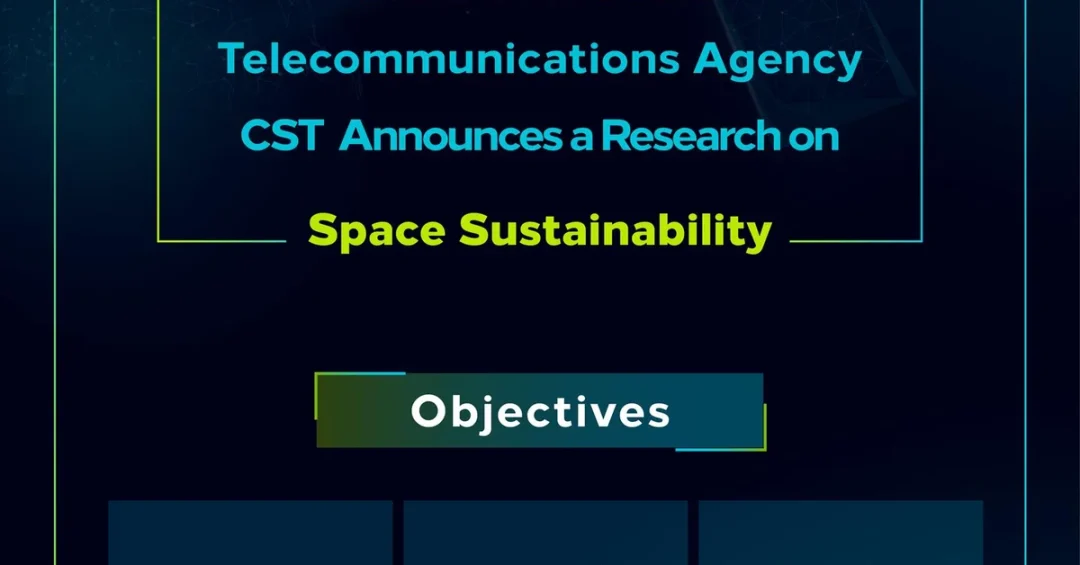
The Communications, Space, and Technology Commission (CST) of Saudi Arabia announced a new research partnership with Brazil’s National Telecommunications Agency (ANATEL) to advance space sustainability during the Connecting the World from the Skies Global Forum, held in Riyadh from November 25 to 26, 2024. The initiative, announced on November 28, builds on a previous Memorandum of Understanding between the two organizations, aiming to ensure the sustainable and equitable use of orbital resources and leverage modern technologies for space data analysis.
Context and Background
The partnership between CST and ANATEL marks a significant step in international cooperation on space governance, as the growing congestion in Earth’s orbit—driven by thousands of satellites—poses risks of collisions and debris. Saudi Arabia, through CST, has positioned itself as a leader in promoting responsible space practices, aligning with global efforts like the United Nations Sustainable Development Goals. The announcement came at a key forum that gathered leaders from telecommunications and space sectors worldwide.
Key Details
In his opening address at the forum, Governor of CST Dr. Mohammed Altamimi urged the global community to unite behind space sustainability research, emphasizing that such endeavors are critical for future generations. He stated, “This stems from CST’s commitment to strengthen international partnerships to achieve Sustainable Development Goals and leverage its expertise in the ICT field to drive sustainability initiatives and empower the space sector,” according to a CST press release. The research will focus on modern technologies for space data analysis, including satellite tracking and debris mitigation strategies.
Implications and Impact
The initiative reinforces Saudi Arabia’s growing role in space diplomacy, particularly with emerging space nations like Brazil. It also supports the Kingdom’s ambitions to become a hub for space innovation, potentially attracting further collaborations with other nations and private entities. For Brazil, the partnership offers access to Saudi expertise in communications technology and space regulation, fostering a mutually beneficial exchange that could set standards for orbital governance in the Global South.
Vision 2030 Alignment
This research partnership aligns directly with Saudi Arabia’s Vision 2030, which seeks to diversify the economy and position the Kingdom as a global leader in technology and innovation. By championing space sustainability, CST contributes to building a knowledge-based society and economy, enhancing Saudi Arabia’s regional and international stature. As Dr. Altamimi highlighted, the initiative underscores a long-term commitment to sustainable growth, ensuring that the benefits of space exploration are shared responsibly by all nations.
20 Questions
Q1. What is the main announcement from CST?
A1. CST announced a research partnership with Brazil’s ANATEL on space sustainability, announced on November 28, 2024, during the Connecting the World from the Skies Global Forum.
Q2. Who is ANATEL?
A2. ANATEL is Brazil’s National Telecommunications Agency, responsible for regulating telecommunications and satellite services in Brazil.
Q3. Where was the announcement made?
A3. The announcement was made in Riyadh, Saudi Arabia, at the Connecting the World from the Skies Global Forum, held from November 25 to 26, 2024.
Q4. What is the goal of the research partnership?
A4. The partnership aims to ensure sustainable and equitable use of orbital resources and leverage modern technologies for space data analysis.
Q5. Who spoke at the forum on behalf of CST?
A5. Governor of CST Dr. Mohammed Altamimi delivered the opening speech at the forum, urging global cooperation on space sustainability.
Q6. Does this partnership build on previous agreements?
A6. Yes, the initiative builds on a previous Memorandum of Understanding signed between CST and ANATEL.
Q7. What is the Connecting the World from the Skies Global Forum?
A7. It is a global forum held in Riyadh focused on telecommunications, space, and satellite technologies, attended by international leaders.
Q8. Why is space sustainability important?
A8. Space sustainability ensures that orbital resources are used responsibly to prevent debris and collisions, preserving space for future generations.
Q9. How does this support Saudi Arabia’s Vision 2030?
A9. It aligns with Vision 2030 by promoting technological innovation, economic diversification, and global leadership in the space sector.
Q10. What role does CST play in Saudi Arabia?
A10. CST is the regulatory body overseeing communications, space, and technology sectors, driving the Kingdom’s digital transformation and space ambitions.
Q11. What technologies will be used in the research?
A11. The research will leverage modern technologies for space data analysis, including satellite tracking and debris monitoring systems.
Q12. How does this benefit Brazil?
A12. Brazil gains access to Saudi expertise in ICT and space regulation, fostering technological exchange and sustainable space practices.
Q13. Is this part of a larger international trend?
A13. Yes, the partnership reflects growing global focus on space governance, with countries like Saudi Arabia leading sustainability initiatives.
Q14. What did Dr. Altamimi urge the global community to do?
A14. He urged global cooperation on space sustainability research to ensure a secure and equitable space environment for future generations.
Q15. How does this relate to the UN Sustainable Development Goals?
A15. CST’s commitment to international partnerships aims to achieve Sustainable Development Goals, particularly in innovation and responsible resource use.
Q16. When was the press release issued?
A16. The CST press release was issued on November 28, 2024, by the Saudi Press Agency (SPA).
Q17. Who might benefit from this research?
A17. All nations and private entities involved in space activities will benefit from better orbital resource management and reduced collision risks.
Q18. What is the significance of CST’s leadership?
A18. CST’s leadership demonstrates Saudi Arabia’s proactive role in shaping global space policies and fostering technological cooperation.
Q19. Could this lead to more partnerships?
A19. Yes, the initiative could attract additional international collaborations, strengthening Saudi Arabia’s position as a space innovation hub.
Q20. What is the next step for the partnership?
A20. The next step involves detailed research plans and joint projects on space data analysis and orbital sustainability, subject to further agreements.
Reader Feedback
We value your thoughts. Please share your feedback on this article.
Your feedback helps us improve our coverage.