


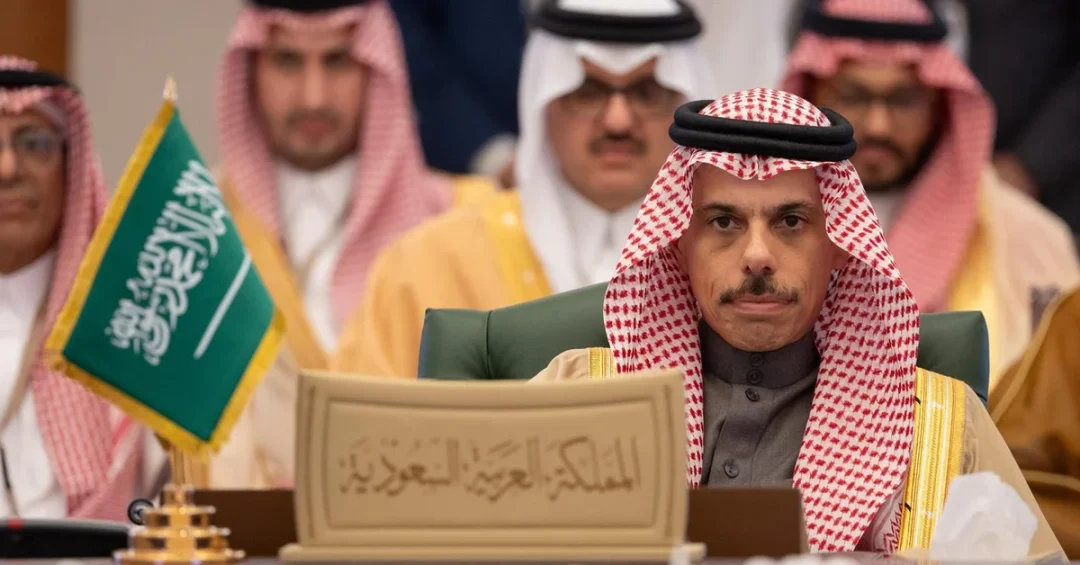
Saudi Minister of Foreign Affairs Prince Faisal bin Farhan bin Abdullah participated today in the 162nd preparatory ministerial meeting for the 45th session of the Supreme Council of the Gulf Cooperation Council (GCC) in Kuwait. The meeting, chaired by Kuwaiti Minister of Foreign Affairs Abdullah Al-Yahya, president of the current session, brought together top diplomats from GCC member states to discuss regional issues and progress on joint action.
Context and Background
The 162nd preparatory ministerial meeting in Kuwait continues a longstanding tradition of coordination among Gulf states ahead of the Supreme Council summit. This session is particularly significant as it follows the 44th session’s outcomes, focusing on implementation of resolutions and strengthening cooperation across economic, security, and political spheres. Saudi Arabia, as a founding member of the GCC, has consistently supported mechanisms for regional dialogue and unity, reflecting its leadership role in promoting stability.
Key Details
During the meeting, participants reviewed progress on joint GCC action and discussed ways to enhance collaboration. A key focus was the latest regional and international developments, especially the situation in Gaza and Lebanon. The ministers emphasized the importance of an immediate ceasefire and achieving a just and comprehensive resolution to the Palestinian issue, underscoring Saudi Arabia’s commitment to peace and humanitarian support. The meeting also addressed reports on implementing decisions from the 44th GCC Supreme Council session and discussed strategic relations with global partners.
The Saudi delegation included Ambassador to Kuwait Prince Sultan bin Saad bin Khaled, Deputy Minister for International Multilateral Affairs and General Supervisor of the Public Diplomacy Deputyship Dr. Abdulrahman Al-Rassi, Advisor to the Minister of Foreign Affairs Mohammed Alyahya, Assistant Director General of the Office of the Minister of Foreign Affairs Waleed Al-Ismail, and Director of the GCC Affairs Department Anas AlWasedy.
Implications and Impact
This meeting signals ongoing Gulf solidarity in addressing regional challenges, particularly in Palestine and Lebanon. For the international community, the GCC’s unified stance on ceasefires and conflict resolution supports broader efforts for Middle East stability. Saudi Arabia’s active participation reinforces its role as a diplomatic hub and advocate for peaceful dialogue, which aligns with its foreign policy of fostering cooperation among nations and organizations.
Vision 2030 Alignment
Saudi Arabia’s engagement in the GCC meeting is closely tied to Vision 2030’s goal of building a vibrant society and achieving regional stability. By promoting inter-Gulf collaboration and supporting comprehensive peace solutions, the Kingdom strengthens its position as a key global partner. This forward-looking approach, championed by Minister Prince Faisal bin Farhan, helps create a secure environment for economic diversification and international investment, advancing the long-term ambitions of Vision 2030.
20 Questions
Q1. What was the purpose of the 162nd GCC preparatory ministerial meeting?
A1. The meeting prepared for the 45th session of the GCC Supreme Council by reviewing joint action progress, discussing regional developments, and addressing strategic relations with global partners.
Q2. Who chaired the meeting?
A2. The meeting was chaired by Kuwaiti Minister of Foreign Affairs Abdullah Al-Yahya, president of the current session of the GCC.
Q3. Who represented Saudi Arabia at the meeting?
A3. Saudi Minister of Foreign Affairs Prince Faisal bin Farhan bin Abdullah led the delegation, along with other senior officials.
Q4. What major regional issues were discussed?
A4. The situation in Gaza and Lebanon was discussed, with emphasis on an immediate ceasefire and a just resolution to the Palestinian issue.
Q5. Why is this meeting important for GCC unity?
A5. It allows member states to align on policies and strengthen cooperation, ensuring collective action on security and economic challenges.
Q6. How does the meeting link to the GCC Supreme Council?
A6. The preparatory meeting sets the agenda for the upcoming Supreme Council session, focusing on implementing earlier resolutions.
Q7. What is the GCC’s stance on the Palestinian issue?
A7. The GCC supports an immediate ceasefire and a comprehensive, just resolution based on international legitimacy and Arab peace initiatives.
Q8. Who attended from the Saudi Ministry of Foreign Affairs?
A8. Attendees included the Saudi Ambassador to Kuwait, Deputy Minister Dr. Abdulrahman Al-Rassi, and several advisors and directors.
Q9. What reports were reviewed at the meeting?
A9. Reports on follow-up implementation of resolutions from the 44th GCC Supreme Council session were reviewed.
Q10. How does Saudi Arabia contribute to GCC diplomacy?
A10. Saudi Arabia actively chairs committees, proposes initiatives, and supports dialogue to enhance regional stability and integration.
Q11. What is the role of the Public Diplomacy Deputyship?
A11. It oversees international communication and cultural exchange to strengthen Saudi Arabia’s global image and partnerships.
Q12. How many sessions of the GCC Supreme Council have been held?
A12. This is the 45th session, indicating an annual tradition of high-level coordination since the GCC’s founding in 1981.
Q13. What strategic relations were discussed?
A13. Relations between GCC states and global countries and organizations, including economic and security partnerships, were addressed.
Q14. When and where was the meeting held?
A14. It took place on November 28, 2024, in the State of Kuwait.
Q15. What is the significance of Kuwait hosting the meeting?
A15. Kuwait holds the current GCC presidency, facilitating regional consensus and hosting key diplomatic gatherings.
Q16. How does the meeting align with Vision 2030?
A16. By promoting stability and cooperation, the meeting supports Vision 2030’s goals of a vibrant society and diversified economy.
Q17. What is the expected outcome of the Supreme Council session?
A17. The session will approve joint action plans, economic initiatives, and policy stances on regional issues.
Q18. Why is an immediate ceasefire in Gaza important for the GCC?
A18. It prevents further civilian suffering and creates conditions for political dialogue, aligning with GCC humanitarian principles.
Q19. How does the GCC coordinate with international organizations?
A19. Through strategic dialogues and memorandums of understanding with bodies like the UN and Arab League.
Q20. What is the GCC’s approach to Lebanon’s situation?
A20. The GCC supports Lebanon’s stability and reforms, calling for an immediate ceasefire and adherence to international resolutions.
Reader Feedback
We value your thoughts. Please share your feedback on this article.
Your feedback helps us improve our coverage.