


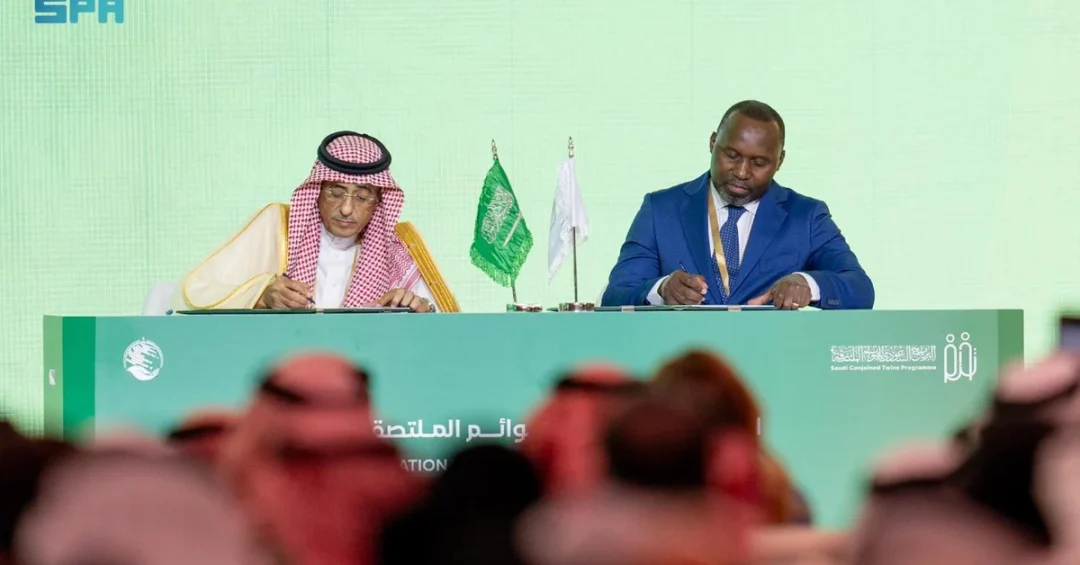
The King Salman Humanitarian Aid and Relief Center (KSrelief) has signed a joint executive program with the United Nations Population Fund (UNFPA) to improve maternal and newborn health in the Gaza Strip. The agreement was finalized on the sidelines of the International Conference on Conjoined Twins in Riyadh, underscoring Saudi Arabia’s ongoing commitment to humanitarian support in the region.
Context and Background
This partnership builds on Saudi Arabia’s long-standing role as a leading humanitarian donor through KSrelief, which has implemented numerous aid projects worldwide. The program specifically targets the urgent health needs of women and children in Gaza, where access to quality maternal care has been severely limited due to ongoing challenges and infrastructure damage. By aligning with UNFPA, a key UN agency specializing in reproductive health, KSrelief ensures that resources are effectively deployed to areas of greatest need.
Key Details
According to the terms announced by the Saudi Press Agency, the program is expected to benefit over 48,300 women, girls, and newborns. It will focus on rehabilitating and upgrading three healthcare facilities that provide emergency maternal and newborn services. Additionally, three other health centers will receive essential medical equipment, and 120 healthcare professionals will undergo specialized training to enhance their skills in delivering safe medical care to mothers and newborns. The program aims to reduce maternal and infant mortality rates and improve overall health outcomes in Gaza.
Implications and Impact
The initiative has significant humanitarian implications, directly addressing critical gaps in Gaza’s healthcare system. By training local medical staff and equipping facilities, the program strengthens local capacity for sustainable care delivery. This partnership also reinforces Saudi Arabia’s diplomatic engagement with international organizations, demonstrating a practical commitment to alleviating suffering in conflict-affected areas. The collaboration with UNFPA ensures that aid reaches vulnerable populations, particularly women and children, who are often most impacted by crises.
Vision 2030 Alignment
This humanitarian program reflects the Kingdom’s broader Vision 2030 objectives, which emphasize global citizenship, humanitarian leadership, and sustainable development. By partnering with international bodies like UNFPA, Saudi Arabia continues to expand its role as a responsible global actor, using its resources to promote health and stability. The initiative is a concrete example of how Vision 2030 principles translate into life-saving aid, reinforcing the Kingdom’s commitment to supporting the Palestinian people while advancing its own strategic goals of international cooperation and humanitarian excellence.
20 Questions
Q1. What is the name of the Saudi humanitarian organization involved in this program?
A1. The King Salman Humanitarian Aid and Relief Center (KSrelief) is the Saudi agency that signed the partnership with UNFPA to improve maternal health in Gaza.
Q2. Which international organization is partnering with KSrelief?
A2. The United Nations Population Fund (UNFPA) is the UN agency collaborating with KSrelief on this maternal and newborn health initiative.
Q3. Where was the agreement finalized?
A3. The agreement was signed on the sidelines of the International Conference on Conjoined Twins in Riyadh, Saudi Arabia.
Q4. How many people are expected to benefit from this program?
A4. Over 48,300 women, girls, and newborns in the Gaza Strip are expected to benefit from the program’s services and improvements.
Q5. What is the main focus of the program?
A5. The program focuses on improving the health of mothers and newborns by rehabilitating healthcare facilities and training medical professionals.
Q6. How many healthcare facilities will be rehabilitated under this program?
A6. Three healthcare facilities that provide emergency maternal and newborn services will be rehabilitated and upgraded as part of the initiative.
Q7. How many other facilities will receive medical equipment?
A7. Three additional health facilities will receive essential medical equipment to improve their capacity to serve mothers and newborns.
Q8. How many healthcare professionals will receive training?
A8. A total of 120 healthcare professionals will undergo training to enhance their skills in providing safe medical care to mothers and newborns.
Q9. What specific health challenges does this program address in Gaza?
A9. The program addresses critical gaps in maternal and newborn healthcare, including emergency services, facility conditions, and staff training to reduce mortality.
Q10. Does this program align with Saudi Arabia’s Vision 2030?
A10. Yes, the program reflects Vision 2030 goals of global humanitarian leadership, sustainable development, and international cooperation.
Q11. What is KSrelief’s broader role in Gaza?
A11. KSrelief has a long record of providing humanitarian aid to the Palestinian people in Gaza, including medical support, food assistance, and relief supplies.
Q12. Why is UNFPA an important partner for this initiative?
A12. UNFPA specializes in reproductive and maternal health, making it a key partner for ensuring effective and targeted aid delivery for women and children.
Q13. When was the agreement signed?
A13. The agreement was signed on November 29, 2024, as announced by the Saudi Press Agency.
Q14. What is the expected impact on maternal mortality in Gaza?
A14. By improving facility conditions and training staff, the program is designed to help reduce maternal and infant mortality rates in the region.
Q15. How does this program support local healthcare capacity?
A15. It supports local capacity by training healthcare professionals and rehabilitating facilities, enabling sustained quality care for the community.
Q16. Is this the first time KSrelief has worked in Gaza?
A16. No, KSrelief has a history of humanitarian projects in Gaza, including medical aid, food distributions, and emergency response programs.
Q17. What type of training will healthcare professionals receive?
A17. Professionals will receive specialized training in safe medical care for mothers and newborns, focusing on emergency and clinical best practices.
Q18. How does this initiative reflect Saudi Arabia’s foreign policy?
A18. It reflects Saudi Arabia’s commitment to humanitarian diplomacy and supporting Palestinian welfare through concrete, non-political aid programs.
Q19. What role did the International Conference on Conjoined Twins play?
A19. The conference provided a platform for high-level discussions and partnerships, including the signing of this joint humanitarian program with UNFPA.
Q20. How can the public learn more about KSrelief’s work?
A20. More information is available through official Saudi sources like the Saudi Press Agency and KSrelief’s public reports on humanitarian projects.
Reader Feedback
We value your thoughts. Please share your feedback on this article.
Your feedback helps us improve our coverage.