


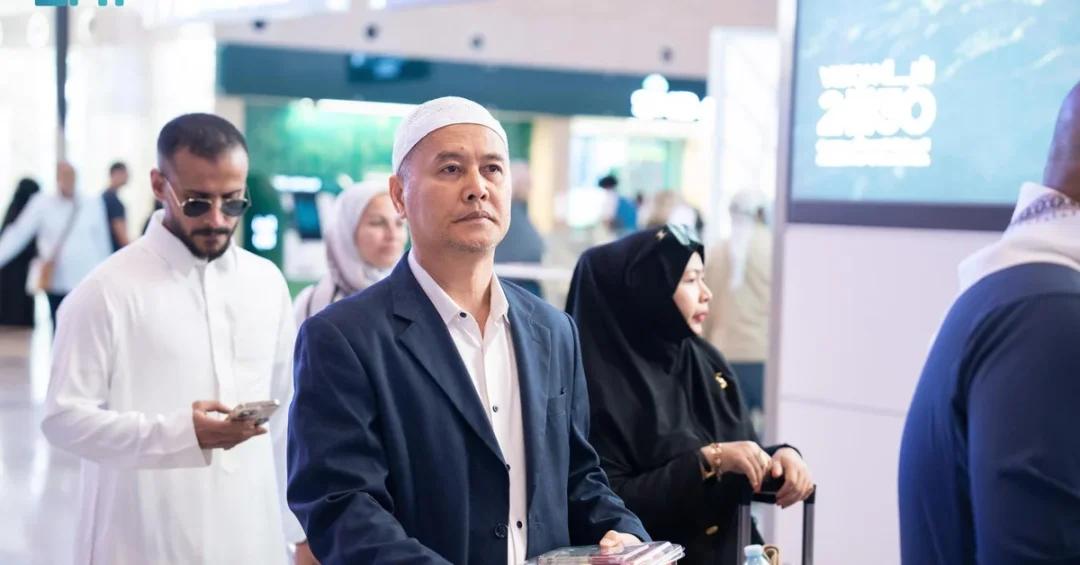
The Ministry of Islamic Affairs, Dawah, and Guidance has bid farewell to the first group of guests from the Custodian of the Two Holy Mosques Program for Umrah and Visit for the year 1446 AH, marking the successful completion of their spiritual journey. The first departing group, consisting of 29 Umrah performers, left via King Abdulaziz International Airport in Jeddah on November 30, 2024, after performing Umrah rituals, visiting the Prophet’s Mosque, and touring Quba Mosque along with several other holy and historical sites in Makkah and Madinah. The ministry facilitated smooth departure procedures through a comprehensive system of services supported by dedicated committees operating around the clock to assist the guests.
Context and Background
The Custodian of the Two Holy Mosques Program for Umrah and Visit is a flagship initiative under the patronage of King Salman bin Abdulaziz Al Saud, reflecting Saudi Arabia’s longstanding commitment to serving Islam and Muslims worldwide. The program invites selected guests from various countries to perform Umrah and explore Islamic heritage sites in the Kingdom. For the 1446 AH season, the first batch includes 250 Umrah performers from 12 Asian countries, with their departures scheduled to be completed by December 1, 2024. This initiative underscores the Kingdom’s role as a global center for Islamic faith and culture, aligning with its broader humanitarian and diplomatic outreach.
Key Details
The guests expressed profound gratitude to the Custodian of the Two Holy Mosques, King Salman bin Abdulaziz Al Saud, and His Royal Highness Prince Mohammed bin Salman bin Abdulaziz Al Saud, Crown Prince and Prime Minister, for enabling their spiritual experience in an atmosphere of peace and tranquility. They commended the exceptional services provided by the Ministry of Islamic Affairs, Dawah, and Guidance, which included logistical support, accommodation, and guided tours of key religious sites. The ministry’s committees worked seamlessly to ensure a comfortable and memorable visit, reflecting the significant support the program receives from the wise leadership. The program not only facilitates religious observance but also strengthens cultural ties between Saudi Arabia and participating nations.
Implications and Impact
The successful execution of the program reinforces Saudi Arabia’s leadership in Islamic affairs and its dedication to fostering global Muslim unity. By hosting guests from diverse Asian countries, the Kingdom enhances its diplomatic relations and promotes mutual understanding. The program also boosts religious tourism, a key sector under Vision 2030, as it showcases Saudi Arabia’s ability to host large-scale spiritual events with efficiency and care. The positive feedback from guests serves as a testament to the Kingdom’s hospitality and organizational excellence, bolstering its reputation as a welcoming destination for pilgrims and visitors from around the world. This initiative exemplifies Saudi Arabia’s soft power and its commitment to supporting the global Muslim community.
Vision 2030 Alignment
The Custodian of the Two Holy Mosques Program directly supports Vision 2030 goals of enhancing religious tourism and positioning Saudi Arabia as a global hub for Islamic culture and heritage. By providing unparalleled services to Umrah performers, the Kingdom aims to increase the number of pilgrims and visitors, contributing to economic diversification and cultural exchange. This program demonstrates Saudi Arabia’s dedication to preserving Islamic traditions while embracing modernization, ultimately fostering a deeper connection between the Kingdom and the Muslim world. As Vision 2030 progresses, such initiatives will continue to expand, reinforcing Saudi Arabia’s role as a beacon of faith, hospitality, and progress under the wise leadership of the Custodian of the Two Holy Mosques.
20 Questions
Q1. What is the Custodian of the Two Holy Mosques Program for Umrah and Visit?
A1. It is a Saudi initiative, implemented by the Ministry of Islamic Affairs, Dawah, and Guidance, that invites guests from various countries to perform Umrah and visit Islamic heritage sites in the Kingdom.
Q2. Who oversees the program?
A2. The program is overseen by the Ministry of Islamic Affairs, Dawah, and Guidance, under the patronage of King Salman bin Abdulaziz Al Saud and Crown Prince Mohammed bin Salman.
Q3. How many guests were in the first departing group?
A3. The first departing group consisted of 29 Umrah performers, part of the larger first batch of 250 guests from 12 Asian countries.
Q4. Which airport facilitated the departure of the first group?
A4. The departure of the first group was facilitated at King Abdulaziz International Airport in Jeddah, with streamlined procedures and support from ministry committees.
Q5. What spiritual activities did the guests complete?
A5. Guests performed Umrah rituals, visited the Prophet’s Mosque, and toured Quba Mosque and other holy and historical sites in Makkah and Madinah.
Q6. When did the first group depart?
A6. The first group departed on November 30, 2024, as announced by the Ministry of Islamic Affairs, Dawah, and Guidance.
Q7. How many countries were represented in the first batch?
A7. The first batch included 250 Umrah performers from 12 Asian countries, showcasing the program’s broad regional reach.
Q8. What services did the ministry provide to the guests?
A8. The ministry provided a comprehensive system of services, including logistical support, accommodation, guided tours, and round-the-clock assistance from dedicated committees.
Q9. How did the guests express their gratitude?
A9. Guests expressed gratitude to King Salman bin Abdulaziz Al Saud and Crown Prince Mohammed bin Salman for enabling their peaceful spiritual journey and praised the exceptional services provided.
Q10. What is the significance of the program for Saudi Arabia?
A10. The program reinforces Saudi Arabia’s leadership in serving Islam, fosters diplomatic relations, and boosts religious tourism as part of Vision 2030 diversification goals.
Q11. How does the program align with Vision 2030?
A11. The program supports Vision 2030 by enhancing religious tourism, promoting cultural exchange, and positioning Saudi Arabia as a global hub for Islamic heritage.
Q12. Which ministry is responsible for implementing the program?
A12. The Ministry of Islamic Affairs, Dawah, and Guidance is responsible for implementing the program, supported by various committees and agencies.
Q13. What is the role of the wise leadership in the program?
A13. The wise leadership, including King Salman and Crown Prince Mohammed bin Salman, provides significant support and patronage, ensuring the program’s success and expansion.
Q14. Why is the program important for international relations?
A14. The program strengthens ties with participating countries, particularly in Asia, promoting mutual understanding and goodwill through religious and cultural engagement.
Q15. How does the program benefit the guests?
A15. Guests receive free accommodation, transportation, and guided tours, allowing them to perform Umrah and visit holy sites in comfort and tranquility.
Q16. What is the historical context of the program?
A16. The program has been ongoing for years under the Custodian of the Two Holy Mosques, evolving to include more guests and enhanced services each season.
Q17. What types of sites did the guests visit?
A17. Guests visited Quba Mosque, the Prophet’s Mosque, and other holy and historical sites in Makkah and Madinah, enriching their spiritual experience.
Q18. How does the program showcase Saudi hospitality?
A18. The program highlights Saudi hospitality through efficient services, warm reception, and a peaceful environment, leaving a positive impression on guests.
Q19. What is the future outlook for the program?
A19. The program is expected to expand under Vision 2030, welcoming more guests from diverse regions to further promote Islamic unity and cultural tourism.
Q20. How does the program reflect Saudi Arabia’s global role?
A20. The program positions Saudi Arabia as a leader in Islamic affairs, demonstrating its commitment to serving Muslims worldwide and fostering global harmony.
Reader Feedback
We value your thoughts. Please share your feedback on this article.
Your feedback helps us improve our coverage.