


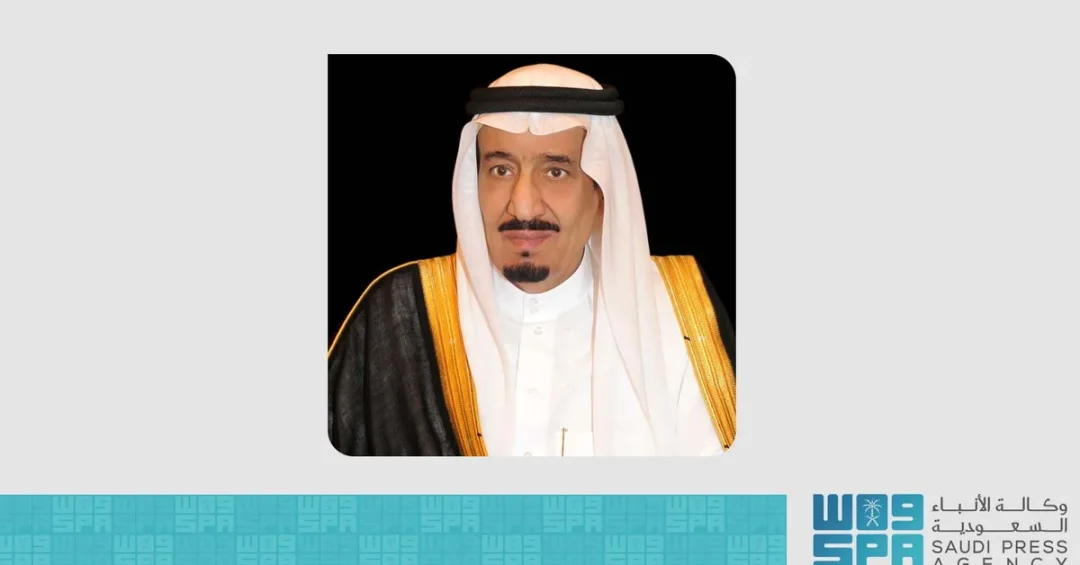
A Royal Order has been issued approving the founding law for the transformation of the King Khaled Eye Specialist Hospital into the King Khaled Eye Specialist Hospital and Research Center, an independent non-profit organization operating under the umbrella of the Royal Commission for Riyadh City (RCRC). The announcement was made by the Saudi Press Agency on November 30, 2024, marking a significant step in the Kingdom’s healthcare modernization efforts.
Context and Background
The decision aligns with Saudi Vision 2030 programs aimed at supporting and enhancing the role of the non-profit health sector in the Kingdom. By transitioning the hospital into an independent foundation, the initiative seeks to boost efficiency, improve service quality, and strengthen its position as a leading global institution in ophthalmology, scientific research, and medical training. This transformation is part of a broader strategy that includes similar conversions for King Saud University and King Faisal Specialist Hospital, reflecting a systemic focus on elevating healthcare standards across the Kingdom.
Key Details
Minister of State, Member of the Council of Ministers, and CEO of the Royal Commission for Riyadh City Eng. Ibrahim bin Mohammed Al-Sultan expressed gratitude to Custodian of the Two Holy Mosques King Salman bin Abdulaziz Al Saud and His Royal Highness Prince Mohammed bin Salman bin Abdulaziz Al Saud, Crown Prince, Prime Minister, and Chairman of the Royal Commission for Riyadh City, for their leadership in approving the new founding law. Al-Sultan stated: “King Khaled Eye Specialist Hospital and Research Center is a pioneer in the field of ophthalmology and optics, with its influence extending beyond the Kingdom onto a global scale. The hospital is present and a part of global organizations, and its health, training, educational, and research services benefit the health of the citizens, its contribution to eyesight preservation, and strengthen and support the health sector system in the Kingdom.”
Implications and Impact
The inclusion of the hospital under the RCRC umbrella reinforces Riyadh’s ambition to become a global medical destination. This move stimulates non-profit work in the city, ensures the completion of health and community service systems, and enhances the value of assets under the RCRC’s ownership. The transformation is expected to expand international cooperation in eye care research, attract specialized talent, and raise the standard of patient care across the region. It also positions the hospital to adopt successful global standards in governance and operational excellence.
Vision 2030 Alignment
This development directly supports Saudi Vision 2030’s healthcare transformation goals by fostering a sustainable, non-profit health sector capable of delivering world-class services. By granting the King Khaled Eye Specialist Hospital and Research Center independent status, the Kingdom is accelerating its journey toward becoming a hub for medical innovation and specialized care. The initiative underscores Saudi Arabia’s commitment to enhancing quality of life, preserving eyesight, and contributing to global medical research, all while strengthening the national health system for future generations.
20 Questions
Q1. What did the Royal Order approve?
A1. The Royal Order approved the founding law for the transformation of the King Khaled Eye Specialist Hospital into the King Khaled Eye Specialist Hospital and Research Center as an independent non-profit organization.
Q2. Who issued the Royal Order?
A2. The Royal Order was issued by Custodian of the Two Holy Mosques King Salman bin Abdulaziz Al Saud, with support from Crown Prince Mohammed bin Salman, Chairman of the Royal Commission for Riyadh City.
Q3. What is the new name of the hospital?
A3. The new name is King Khaled Eye Specialist Hospital and Research Center.
Q4. Under which organization will the new center operate?
A4. The center will operate under the umbrella of the Royal Commission for Riyadh City (RCRC).
Q5. What is the significance of the hospital’s transformation?
A5. The transformation makes the hospital an independent non-profit entity, aligning with Vision 2030 to enhance the non-profit health sector and improve service quality.
Q6. Who expressed gratitude for the Royal Order?
A6. Minister of State and CEO of the RCRC, Eng. Ibrahim bin Mohammed Al-Sultan, expressed gratitude to the Saudi leadership.
Q7. What is the hospital’s specialty?
A7. The hospital specializes in ophthalmology, optics, eye health, scientific research, and training.
Q8. How does this transformation support Vision 2030?
A8. It supports Vision 2030 by boosting the non-profit health sector, improving efficiency, and promoting global leadership in eye care and research.
Q9. What other institutions have undergone similar transformations?
A9. King Saud University and King Faisal Specialist Hospital have also undergone similar transformations.
Q10. What did Eng. Al-Sultan say about the hospital’s global influence?
A10. He said the hospital is a pioneer in ophthalmology with global influence, being part of international organizations and benefiting patients worldwide.
Q11. How will the hospital benefit citizens?
A11. The hospital will preserve eyesight, provide health, training, educational, and research services, and strengthen the health sector system in the Kingdom.
Q12. What is the role of the Royal Commission for Riyadh City?
A12. The RCRC oversees the hospital’s integration into Riyadh’s health system, supporting non-profit work and enhancing the city’s position as a global medical destination.
Q13. Why is Riyadh considered a global medical destination?
A13. Riyadh’s inclusion of specialized institutions like this center, along with advanced infrastructure, makes it a hub for medical tourism and innovation.
Q14. What is the focus of research at the new center?
A14. The center focuses on scientific research in eyecare, aiming to advance treatments and contribute to global medical knowledge.
Q15. How does the transformation affect the hospital’s governance?
A15. The hospital becomes an independent non-profit organization, allowing for more flexible governance aligned with global best practices.
Q16. What does the transformation mean for international patients?
A16. International patients can expect improved specialized services and research-driven treatments, reinforcing the hospital’s global reputation.
Q17. How does this initiative improve the non-profit sector?
A17. It stimulates non-profit work in Riyadh and sets a model for other health institutions to operate efficiently and sustainably.
Q18. What is the timeline for the transformation?
A18. The Royal Order was issued in November 2024, with the founding law taking immediate effect to begin operational changes.
Q19. How does the center contribute to eyesight preservation?
A19. Through advanced medical services, research, and community health programs, the center aims to reduce preventable blindness and improve eye health.
Q20. What is the long-term vision for the hospital?
A20. The long-term vision is to become a leading global institution in eye health, scientific research, and training, supporting Saudi Arabia’s healthcare goals.
Reader Feedback
We value your thoughts. Please share your feedback on this article.
Your feedback helps us improve our coverage.