


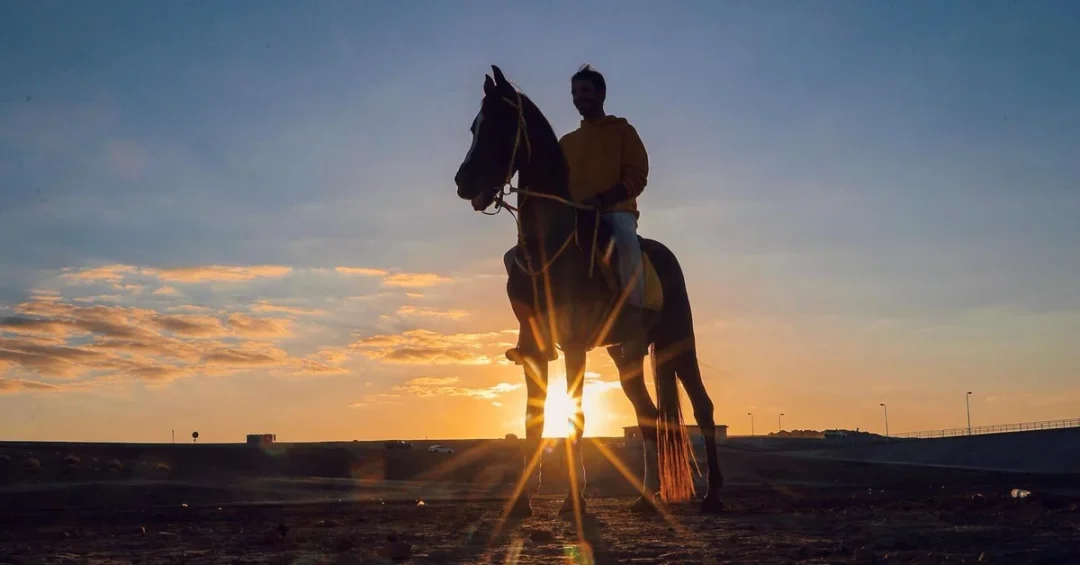
Rafha, Northern Borders Region, November 30, 2024 — Horse riding, a timeless sport and cherished hobby, is experiencing a vibrant resurgence in the Northern Borders Region of Saudi Arabia, particularly among the youth, according to the Saudi Press Agency (SPA).
Context and Background
The Rafha Governorate, a key administrative area in the Northern Borders Region, has long been associated with equestrian traditions that reflect the Kingdom’s deep cultural heritage. In recent years, the region has seen a growing interest in horse riding, driven by young Saudis seeking both recreational and competitive opportunities. Stables and equestrian centers in Rafha have become increasingly popular, especially on weekends, as families and individuals flock to engage with this historic activity. The uptick in participation aligns with broader national efforts to promote healthy lifestyles and preserve traditional sports under Saudi Arabia’s Vision 2030.
Key Details
Stable owners in Rafha have reported a significant increase in the number of horse riding enthusiasts of all ages, with many newcomers taking up the sport for its physical and mental benefits. Young riders interviewed by the Saudi Press Agency shared their passion for horse riding, emphasizing its role in boosting self-confidence, patience, and endurance. They highlighted the sport’s positive impact on mental health and physical fitness, noting that regular riding helps reduce stress and improve focus. The facilities in the region are being upgraded to accommodate the rising demand, with some stables offering training programs for beginners and advanced riders alike.
Implications and Impact
The growing equestrian culture in the Northern Borders Region is not only a testament to Saudi Arabia’s rich heritage but also a driver of local tourism and economic activity. As more people take up horse riding, ancillary businesses such as feed suppliers, veterinary services, and equestrian equipment retailers are thriving. This trend supports the Kingdom’s goal of diversifying its economy and promoting domestic tourism, as outlined in Vision 2030. Furthermore, the development of equestrian centers provides structured environments for youth engagement, fostering discipline and teamwork while reducing reliance on sedentary pastimes.
Vision 2030 Alignment
The revival of horse riding in Rafha is a clear example of how Saudi communities are embracing cultural traditions that align with the Kingdom’s modernization ambitions. By encouraging sports and heritage activities, Vision 2030 aims to enhance the quality of life for citizens and residents alike. The Northern Borders Region’s vibrant equestrian scene demonstrates how traditional practices can evolve to meet contemporary needs, contributing to a healthier, more engaged society. As Saudi Arabia continues its journey toward a diversified future, the enduring appeal of horse riding in Rafha serves as a inspiring reminder of the nation’s ability to blend past and present in pursuit of a prosperous tomorrow.
20 Questions
Q1. What is the Northern Borders Region known for in Saudi Arabia?
A1. The Northern Borders Region, including Rafha Governorate, is known for its rich equestrian traditions, open landscapes ideal for horse riding, and growing interest among youth in traditional sports like horse riding.
Q2. Why has horse riding become more popular in Rafha recently?
A2. Horse riding has become more popular due to increased awareness of its health benefits, more weekend availability at local stables, and a cultural revival that encourages youth engagement with traditional activities.
Q3. What benefits do young riders report from horse riding?
A3. Young riders report that horse riding boosts self-confidence, patience, and endurance, while also improving mental health by reducing stress and enhancing physical fitness through regular exercise.
Q4. How do stables in Rafha support the sport?
A4. Stables in Rafha offer training programs, well-maintained facilities, and safe environments for riders of all ages and skill levels, with some providing beginner courses to encourage more participants.
Q5. Is horse riding only for young people in Saudi Arabia?
A5. No, horse riding in Saudi Arabia is a multigenerational activity. Stable owners in Rafha report a significant increase in enthusiasts of all ages, from children to older adults.
Q6. How does horse riding contribute to physical fitness?
A6. Horse riding improves core strength, balance, and cardiovascular health. It requires coordination and posture control, providing a full-body workout that enhances stamina and muscle tone.
Q7. What role does the Saudi Press Agency play in reporting this trend?
A7. The Saudi Press Agency provides official, factual reporting on developments like the horse riding trend in Rafha, ensuring that information about cultural and recreational activities in the Kingdom is accurately shared.
Q8. How does horse riding support mental health?
A8. Horse riding helps reduce stress and anxiety by encouraging outdoor activity, fostering a connection with animals, and providing a sense of accomplishment that boosts overall mental well-being.
Q9. Are equestrian centers growing in other parts of Saudi Arabia?
A9. Yes, equestrian centers are expanding across Saudi Arabia as part of Vision 2030’s focus on sports and recreation, with similar growth seen in regions like Riyadh and the Eastern Province.
Q10. What is the historical significance of horse riding in Saudi Arabia?
A10. Horse riding has deep historical roots in Saudi culture, linked to Bedouin traditions and the Kingdom’s heritage, making it a cherished activity that connects modern Saudis to their past.
Q11. How does the Northern Borders Region’s geography aid horse riding?
A11. The region’s open plains and natural landscapes provide ample space for riding trails and outdoor equestrian activities, making it an ideal location for both recreational and competitive riding.
Q12. Do women participate in horse riding in Rafha?
A12. Yes, women participate in horse riding in Rafha and across Saudi Arabia, with many equestrian centers offering dedicated facilities and programs to accommodate female riders.
Q13. How does horse riding align with Vision 2030 goals?
A13. Horse riding aligns with Vision 2030 by promoting healthy lifestyles, supporting domestic tourism, preserving cultural heritage, and diversifying the Saudi economy through sports-related activities.
Q14. What types of events are held at Rafha’s equestrian centers?
A14. Equestrian centers in Rafha host training sessions, weekend riding events, and local competitions that encourage skill development and community engagement in horse riding.
Q15. How do local businesses benefit from the horse riding trend?
A15. Local businesses such as feed suppliers, veterinary services, and equipment retailers benefit from increased demand, contributing to economic growth in the Northern Borders Region.
Q16. Is horse riding considered a competitive sport in Saudi Arabia?
A16. Yes, horse riding is a competitive sport in Saudi Arabia, with equestrian events like endurance racing and show jumping gaining popularity and support from organizations like the Saudi Arabian Equestrian Federation.
Q17. How do families get involved in horse riding in Rafha?
A17. Families often visit stables on weekends for group riding sessions, lessons, and recreational outings, making horse riding a bonding activity that promotes shared experiences and healthy habits.
Q18. What safety measures are common in Rafha’s stables?
A18. Stables in Rafha typically provide safety gear like helmets, trained instructors, and supervised environments to ensure safe riding practices for all participants, especially beginners.
Q19. How does the Saudi government support equestrian sports?
A19. The Saudi government supports equestrian sports through funding for facilities, training programs, and events, as part of its broader efforts to foster sports culture and heritage.
Q20. What future growth is expected for horse riding in the Northern Borders Region?
A20. Future growth is expected as more youth embrace the sport, stables expand capacity, and Vision 2030 initiatives continue to promote recreational activities, positioning the region as a hub for equestrian tourism.
Reader Feedback
We value your thoughts. Please share your feedback on this article.
Your feedback helps us improve our coverage.