


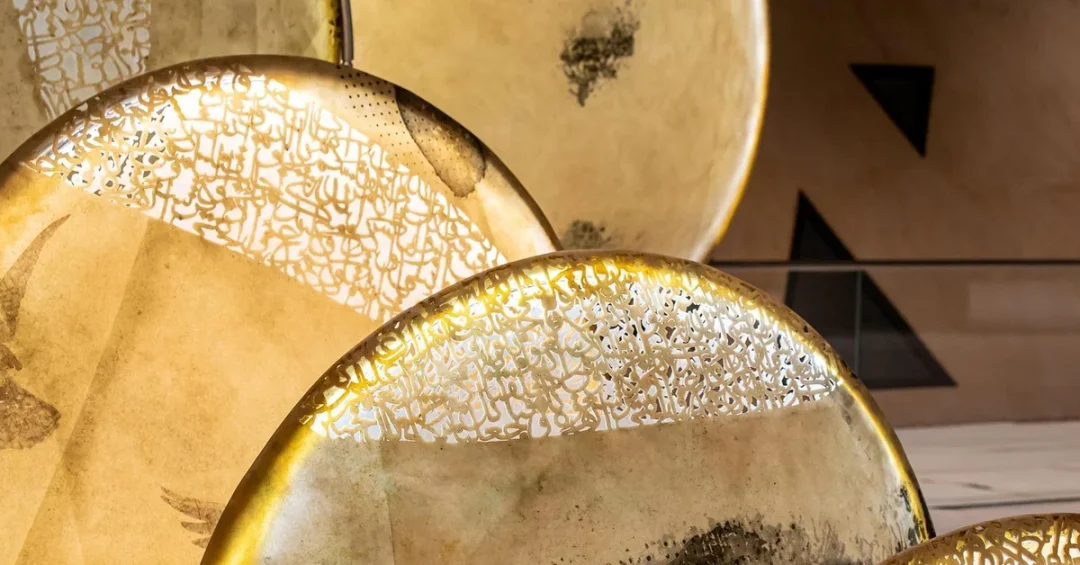
Riyadh, November 30, 2024 — Riyadh Art, the world’s largest public art program, has unveiled four monumental public artworks with the launch of the Riyadh Metro. This initiative, announced by the Royal Commission for Riyadh City (RCRC), transforms key metro stations into cultural landmarks, integrating art into the daily commute and reinforcing the capital’s status as a global hub for contemporary art and culture.
Context and Background
Riyadh Art, launched in 2019, is a flagship cultural infrastructure initiative under Saudi Vision 2030. It aims to reimagine urban spaces across Riyadh, fostering creativity and enriching quality of life. The program has already showcased over 500 artworks by more than 500 local and international artists, hosted over 6,000 community engagement activities, and engaged over 6 million visitors. The integration of artworks into the Riyadh Metro project marks a significant milestone, blending world-class architecture with public art to create immersive cultural experiences.
Key Details
At the King Abdullah Financial District (KAFD) Metro Station, designed by Zaha Hadid Architects, Alexander Calder’s Janey Waney takes center stage. This bold kinetic sculpture exemplifies Calder’s pioneering spirit, offering a dynamic visual experience. Nearby, Robert Indiana’s LOVE (Red Outside Blue Inside), a globally recognized symbol of connection and hope, captivates with its vibrant colors. At the Qasr Al Hokm Downtown Metro Station, designed by Snøhetta, artist Ugo Rondinone’s The Sun stands as a golden centerpiece symbolizing energy and renewal. Complementing this is Zaman Jassim’s When the Moon is Full, a poetic piece inspired by Riyadh’s cultural heritage. “These permanent artworks embody our vision of transforming Riyadh into an open-air gallery,” said Architect Khalid Al-Hazani, Executive Director of Riyadh Art.
International Impact and Significance
The artworks, created by renowned international and local artists, position Riyadh as a global arts destination. Collaboration with world-class architectural firms ensures the stations themselves are architectural marvels, further enhancing the city’s appeal to international visitors and investors. This cultural infusion supports Saudi Arabia’s broader economic diversification goals, attracting tourism and creative industries to the kingdom.
Vision 2030 Alignment
The Riyadh Art program directly supports Vision 2030’s goals of enriching quality of life, promoting cultural innovation, and driving economic diversification. By transforming public transit into a cultural journey, Saudi Arabia aligns with global trends in urban development and soft power expansion. As the program expands, it continues to foster community engagement and elevate Riyadh’s standing as a vibrant global arts destination, contributing to the kingdom’s long-term strategic priorities.
20 Questions
Q1. What is Riyadh Art?
A1. Riyadh Art is the world’s largest public art program, launched in 2019 by the Royal Commission for Riyadh City, aiming to transform Riyadh into an open-air gallery under Saudi Vision 2030.
Q2. How many artworks are featured in the Riyadh Metro stations?
A2. Four monumental public artworks were unveiled at two key metro stations, including works by Alexander Calder, Robert Indiana, Ugo Rondinone, and Zaman Jassim.
Q3. Which metro station features Alexander Calder’s artwork?
A3. The King Abdullah Financial District (KAFD) Metro Station, designed by Zaha Hadid Architects, features Alexander Calder’s Janey Waney.
Q4. What is the significance of Robert Indiana’s LOVE sculpture?
A4. The LOVE (Red Outside Blue Inside) sculpture is globally recognized for its themes of connection and hope, now enhancing the daily commute at KAFD station.
Q5. Who designed the Qasr Al Hokm Downtown Metro Station?
A5. The station was designed by the renowned architectural firm Snøhetta, integrating art with architectural brilliance.
Q6. What does Ugo Rondinone’s The Sun symbolize?
A6. The Sun is a golden centerpiece symbolizing energy and renewal, located at the Qasr Al Hokm station.
Q7. Who is Zaman Jassim?
A7. Zaman Jassim is an artist whose work When the Moon is Full, inspired by Riyadh’s cultural heritage, is displayed at the Qasr Al Hokm station.
Q8. What is the role of the Royal Commission for Riyadh City in this initiative?
A8. The RCRC leads Riyadh Art as one of the initial Mega Projects of Vision 2030, overseeing cultural innovation and urban transformation.
Q9. How many total artworks has Riyadh Art showcased since 2019?
A9. The program has showcased over 500 artworks by more than 500 local and international artists.
Q10. How many community engagement activities has Riyadh Art hosted?
A10. Over 6,000 community engagement activities have been conducted as part of the program.
Q11. How many visitors have engaged with Riyadh Art?
A11. The program has engaged over 6 million visitors since its launch.
Q12. What is the goal of integrating art into metro stations?
A12. It aims to transform daily commutes into cultural experiences and create public spaces that inspire and foster community connection.
Q13. Which architectural firm designed the KAFD Metro Station?
A13. The station was designed by Zaha Hadid Architects, an internationally acclaimed firm.
Q14. How does this initiative support Vision 2030?
A14. It enriches quality of life, promotes cultural innovation, and drives economic diversification through tourism and creative industries.
Q15. Is Riyadh Art only for local artists?
A15. No, the program features both local and international artists, showcasing global contemporary art.
Q16. What is the significance of the artworks being permanent?
A16. Permanent artworks ensure long-term cultural enrichment and establish lasting landmarks for residents and visitors.
Q17. How does the program boost Riyadh’s global standing?
A17. By blending world-class architecture and art, Riyadh positions itself as a global arts destination, attracting international attention and investment.
Q18. Who is the Executive Director of Riyadh Art?
A18. Architect Khalid Al-Hazani serves as the Executive Director of Riyadh Art.
Q19. Are there plans to expand the artworks in the future?
A19. Yes, the program continues to expand with plans to increase the number of artworks and initiatives across Riyadh.
Q20. How do the artworks affect daily life in Riyadh?
A20. They enrich public spaces, making art accessible to everyone and enhancing the cultural fabric of daily life in the city.
Reader Feedback
We value your thoughts. Please share your feedback on this article.
Your feedback helps us improve our coverage.