


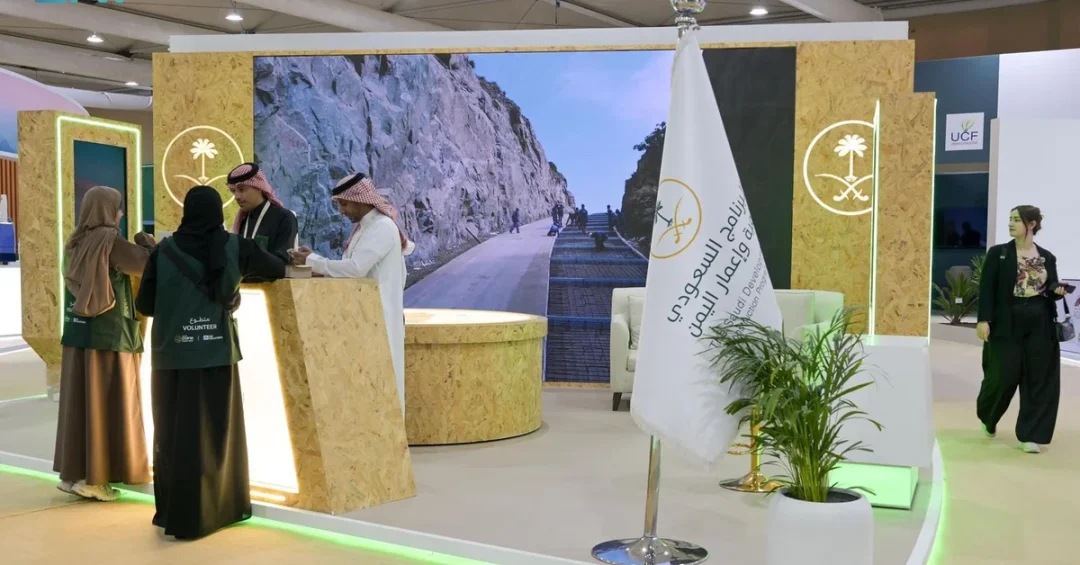
The Saudi Development and Reconstruction Program for Yemen (SDRPY) is actively participating in the 16th session of the Conference of the Parties of the United Nations Convention to Combat Desertification (UNCCD COP16), held in Riyadh from December 2 to 13, 2024. This landmark event, the largest-ever gathering of UNCCD’s 197 parties and the first to take place in the Middle East, provides a platform for SDRPY to highlight its comprehensive strategies for combating desertification and supporting sustainable development in Yemen.
Context and Background
Desertification poses a significant threat to Yemen’s environment, agriculture, and food security, exacerbating the challenges faced by local communities. As a key humanitarian and development partner, the Kingdom of Saudi Arabia, through SDRPY, has been at the forefront of efforts to address this pressing issue. The UNCCD COP16 in Riyadh underscores the Kingdom’s commitment to international environmental cooperation and the exchange of knowledge to combat land degradation globally.
Key Details and High-Level Dialogue
On Wednesday, December 4, SDRPY will organize a pivotal session titled “Bridging the Gap: Aligning Yemen National Strategy, Donor Support, and Local Action in Anti-Desertification Efforts.” This session will feature prominent figures including Saudi Ambassador to Yemen and SDRPY General Supervisor Mohammed bin Saeed Al Jaber, Yemeni Minister of Water and Environment Tawfiq Al-Sharjabi, and United Nations Development Program (UNDP) Administrator Achim Steiner. Additional participants include Ayman Elhefnawi, UN-Habitat Saudi Arabia team leader, Eltayeb Adam, UNICEF’s representative to the Gulf Area, and Ali Bashmakh, executive director of Selah Foundation for Development. The discussion will focus on aligning donor support with Yemen’s national strategy and fostering community engagement to combat desertification effectively.
Implications and International Impact
SDRPY’s participation at UNCCD COP16 extends beyond the central session. On December 11, the program will join a UNDP-organized discussion to showcase its completed projects in water and agriculture, which aim to enhance sustainable water sources and promote sustainable food production in Yemen. An interactive pavilion will further highlight SDRPY’s key initiatives, demonstrating the tangible impact of Saudi support on environmental resilience and sustainable development. These efforts not only aid Yemen but also contribute to regional stability and environmental sustainability.
Vision 2030 Alignment
SDRPY’s engagement at UNCCD COP16 aligns directly with the Kingdom of Saudi Arabia’s Vision 2030, which prioritizes environmental sustainability, international cooperation, and humanitarian support. By leading discussions on anti-desertification and sharing expertise, Saudi Arabia reinforces its role as a global leader in sustainable development and a steadfast partner in the region’s prosperity. This initiative exemplifies the Kingdom’s commitment to building a greener future, in line with Vision 2030’s environmental goals and its dedication to supporting neighboring countries in achieving long-term stability and growth.
20 Questions
Q1. What is the Saudi Development and Reconstruction Program for Yemen (SDRPY)?
A1. SDRPY is a Saudi program established to coordinate and implement development and reconstruction projects in Yemen, focusing on sectors like education, health, water, and agriculture.
Q2. What is UNCCD COP16?
A2. UNCCD COP16 is the 16th session of the Conference of the Parties to the United Nations Convention to Combat Desertification, the largest-ever meeting of its 197 parties.
Q3. Where and when is UNCCD COP16 taking place?
A3. The conference is taking place in Riyadh, Saudi Arabia, from December 2 to 13, 2024.
Q4. Why is UNCCD COP16 significant?
A4. It is the largest UNCCD meeting ever held and the first to take place in the Middle East, highlighting regional commitment to environmental issues.
Q5. What is the main goal of SDRPY’s participation?
A5. SDRPY aims to showcase its anti-desertification strategies in Yemen and facilitate international donor alignment with Yemen’s national strategy.
Q6. Who is leading the SDRPY session at COP16?
A6. The session is led by Saudi Ambassador to Yemen and SDRPY General Supervisor Mohammed bin Saeed Al Jaber.
Q7. What is the title of the SDRPY session?
A7. The session is titled “Bridging the Gap: Aligning Yemen National Strategy, Donor Support, and Local Action in Anti-Desertification Efforts.”
Q8. Which international organizations are attending the SDRPY session?
A8. Representatives from the United Nations Development Program (UNDP), UN-Habitat, and UNICEF are attending.
Q9. What is the role of UNDP Administrator Achim Steiner?
A9. UNDP Administrator Achim Steiner will participate in the SDRPY session, contributing to discussions on international support for Yemen.
Q10. What topics will be discussed in the SDRPY session?
A10. The session will cover integrated water security, community engagement, stakeholder coordination, and partnerships for knowledge exchange.
Q11. What is the focus of the UNDP discussion session on December 11?
A11. The UNDP session will spotlight SDRPY’s completed projects in water and agriculture to enhance sustainable water sources and food production.
Q12. Does SDRPY have an exhibition at COP16?
A12. Yes, SDRPY has an interactive pavilion showcasing its key projects, initiatives, and efforts in supporting sustainable development in Yemen.
Q13. How does SDRPY’s work combat desertification in Yemen?
A13. SDRPY implements water and agriculture projects that restore land, improve irrigation, and promote sustainable farming practices to combat land degradation.
Q14. What is the role of community engagement in SDRPY’s strategy?
A14. Community engagement is emphasized to ensure local participation and ownership in anti-desertification efforts for long-term success.
Q15. How does this participation support Saudi Arabia’s Vision 2030?
A15. It aligns with Vision 2030’s goals of environmental sustainability, international cooperation, and regional humanitarian leadership.
Q16. What is the Yemeni Minister of Water and Environment’s role?
A16. Yemeni Minister Tawfiq Al-Sharjabi will provide insights into Yemen’s national strategy for combating desertification and water management.
Q17. How does SDRPY coordinate with international donors?
A17. SDRPY aligns donor support with Yemen’s national strategy through dialogue and partnerships, as highlighted in the COP16 session.
Q18. What specific projects has SDRPY completed in water and agriculture?
A18. Projects include building dams, improving irrigation systems, and supporting sustainable agriculture to enhance water availability and food security.
Q19. Why is desertification a critical issue for Yemen?
A19. Desertification threatens Yemen’s agricultural productivity and water resources, impacting food security and livelihoods for millions.
Q20. What is the expected outcome of SDRPY’s participation?
A20. Stronger international partnerships, increased support for Yemen’s anti-desertification efforts, and enhanced alignment of donor activities with local needs.
Reader Feedback
We value your thoughts. Please share your feedback on this article.
Your feedback helps us improve our coverage.