


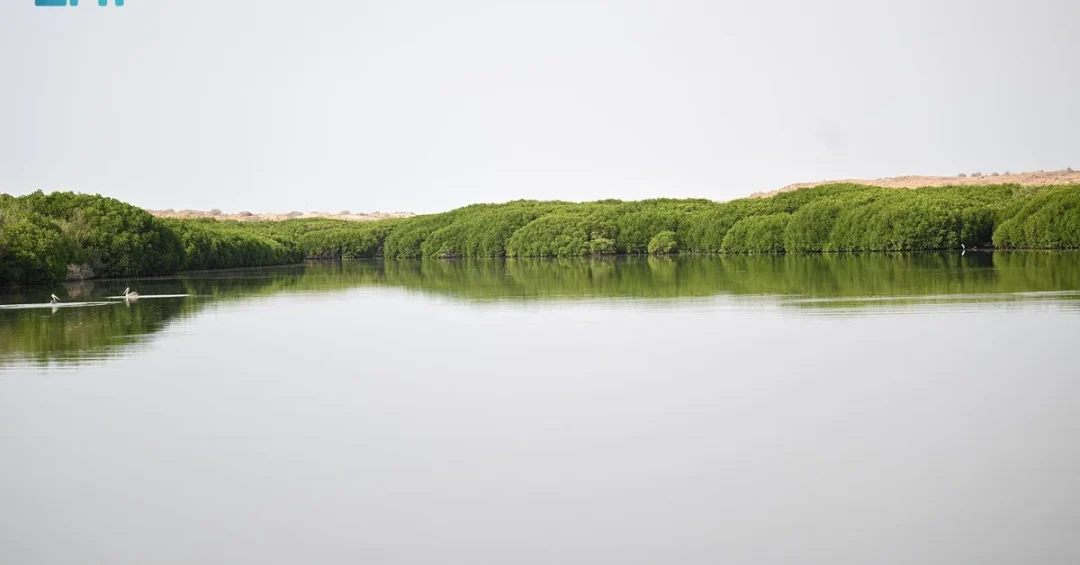
Flamingos (Phoenicopterus ruber) are drawing nature enthusiasts and photographers to the Jazan region of Saudi Arabia, according to the Saudi Press Agency. These elegant birds, with their vibrant pink plumage, long legs, and graceful posture, have become a major attraction along the region’s coastline.
Context and Background
Jazan, located in southwestern Saudi Arabia along the Red Sea, is known for its rich biodiversity and natural landscapes. The region’s mangrove forests and islands, stretching from Jizan city to the Farasan Islands, provide an ideal habitat for flamingos. These areas serve as important nature reserves that boost biodiversity and preserve the environment, similar to other protected sites along the Red Sea and the Arabian Gulf.
Key Details
Flamingos stand between 90 and 120 centimeters tall and can weigh up to 4 kilograms. Their distinctive pink coloration comes from their diet, which consists mainly of algae and shrimp rich in beta-carotene. The birds use their curved beaks to filter food from the water. While typically social, flamingos can display aggression when foraging for food or competing for mates during the breeding season.
Visitors to Jazan can observe flamingos in their natural habitat alongside the beautiful mangrove forests. This experience allows for watching and photographing the birds as they interact with their surroundings, promoting nature appreciation and conservation awareness.
Implications and Impact
The presence of flamingos and mangrove forests enhances Jazan’s appeal as an ecotourism destination. These natural attractions contribute to the region’s economy by drawing domestic and international visitors, supporting local businesses, and raising environmental awareness. The conservation of these habitats aligns with broader efforts to protect Saudi Arabia’s natural heritage along the Red Sea coast.
Vision 2030 Alignment
The development of ecotourism in Jazan supports Saudi Arabia’s Vision 2030 goals of diversifying the economy and promoting sustainable tourism. By preserving natural attractions like flamingos and mangrove forests, the Kingdom is creating unique experiences for visitors while protecting its environment for future generations.
20 Questions
Q1. What species of flamingo is found in Jazan?
A1. The American flamingo, scientifically known as Phoenicopterus ruber, is the species found in Jazan. These birds are known for their vibrant pink coloration and elegant appearance.
Q2. Why do flamingos turn pink?
A2. Flamingos develop their pink color from eating algae and shrimp that are rich in beta-carotene. As they mature, their white plumage gradually blushes into pink.
Q3. How tall do flamingos in Jazan grow?
A3. Flamingos in Jazan typically stand between 90 and 120 centimeters tall. Their long legs and graceful posture make them a popular subject for photographers.
Q4. What do flamingos eat?
A4. Flamingos mainly feed on algae and shrimp. Their curved beaks are specially adapted to filter food from the water.
Q5. Where do flamingos live in Jazan?
A5. Flamingos inhabit the mangrove islands and forests along Jazan’s beaches, including areas around Jizan city and the Farasan Islands. These habitats provide essential food and shelter.
Q6. What is the Farasan Islands?
A6. The Farasan Islands are a group of islands in the Red Sea belonging to Saudi Arabia. They are part of Jazan region and serve as an important nature reserve for birds and marine life.
Q7. How much can a flamingo weigh?
A7. Flamingos can weigh up to 4 kilograms. Their relatively light weight allows them to wade and stand on muddy shorelines.
Q8. Are flamingos social animals?
A8. Flamingos are generally social birds that live in large groups. However, they can display aggressive behavior when competing for food or mates during breeding season.
Q9. What role do mangrove forests play for flamingos?
A9. Mangrove forests provide critical habitat for flamingos, offering food sources like algae and shrimp, as well as safe areas for nesting and resting.
Q10. Why is Jazan a popular destination for photographers?
A10. Jazan attracts photographers because of its stunning natural landscapes, including mangrove forests and flocks of pink flamingos, offering unique opportunities to capture wildlife in its natural habitat.
Q11. How does ecotourism benefit Jazan?
A11. Ecotourism brings visitors to Jazan, supporting local businesses and raising awareness about environmental conservation. It also encourages the protection of natural reserves and wildlife.
Q12. Are there other nature reserves like Jazan in Saudi Arabia?
A12. Yes, Saudi Arabia has several nature reserves along the Red Sea and the Arabian Gulf. These sites help preserve biodiversity and promote sustainable tourism similar to Jazan.
Q13. What is the best time to see flamingos in Jazan?
A13. Flamingos can be seen year-round in Jazan, but the best viewing is often during cooler months when the birds are more active and visible near the mangroves.
Q14. Can visitors walk through the mangrove forests?
A14. Visitors can access certain areas of the mangrove forests via designated paths or boat tours. These experiences allow for close observation of the birds and plants without disturbing the ecosystem.
Q15. What other wildlife can be seen in Jazan besides flamingos?
A15. Jazan’s mangroves and coastal areas host a variety of wildlife, including fish, crabs, and other bird species. The region’s biodiversity makes it a popular spot for nature lovers.
Q16. How does Vision 2030 relate to Jazan’s environment?
A16. Vision 2030 aims to diversify Saudi Arabia’s economy and promote sustainable tourism. Protecting natural attractions like Jazan’s flamingos and mangroves aligns with these goals.
Q17. Are there any conservation programs for flamingos in Jazan?
A17. The Saudi government supports conservation efforts in Jazan through nature reserves and environmental regulations. These programs help protect flamingo habitats and promote biodiversity.
Q18. How do flamingos filter food from water?
A18. Flamingos have specially curved beaks that allow them to sift water through tiny filters. They dip their heads upside down and sweep their beaks to catch algae and small shrimp.
Q19. Why are flamingos pink if they eat shrimp?
A19. The pink color comes from beta-carotene pigments found in the algae and shrimp that flamingos eat. The pigments are deposited in their feathers as they grow.
Q20. Is it easy to photograph flamingos in Jazan?
A20. Yes, flamingos in Jazan are accustomed to visitors, making them relatively easy to photograph. The scenic backdrop of mangrove forests adds to the appeal for both amateur and professional photographers.
Reader Feedback
We value your thoughts. Please share your feedback on this article.
Your feedback helps us improve our coverage.