


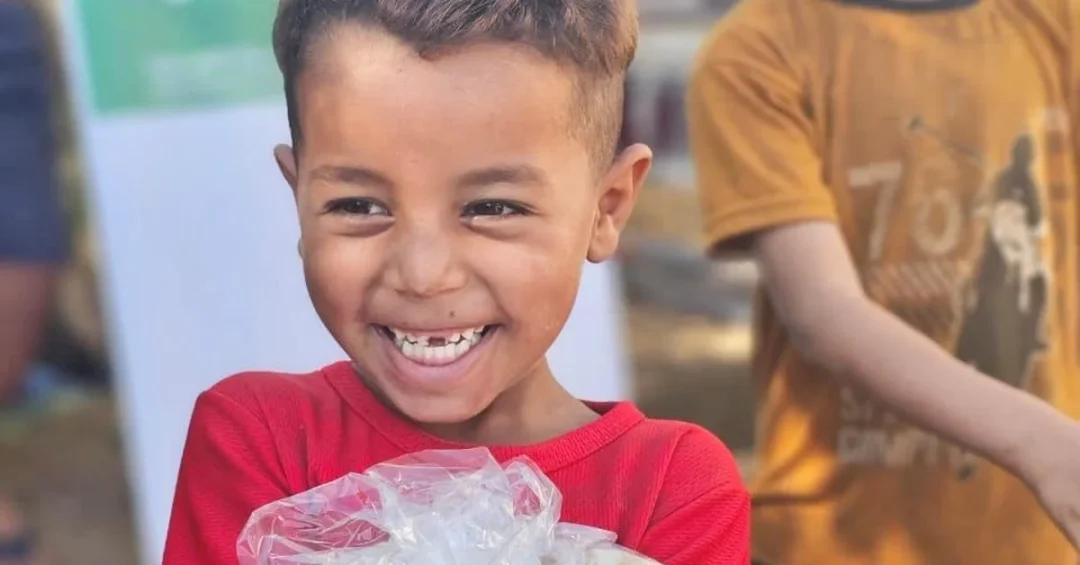
The King Salman Humanitarian Aid and Relief Center (KSrelief) has continued its Al-Amal Charity Bakery Project in Lebanon, distributing 175,000 bags of bread to refugee families in the Akkar Governorate and Miniyeh District. Between October 24 and 30, 2024, the project provided essential food assistance to 62,500 individuals from Syrian, Palestinian, and host community families, totaling 12,500 families in northern Lebanon. This ongoing initiative reflects the Kingdom of Saudi Arabia’s commitment to humanitarian relief efforts across the globe.
Context and Background
The Al-Amal Charity Bakery Project, now in its fourth phase, is a key component of Saudi Arabia’s broader humanitarian strategy, managed through KSrelief. Lebanon has long faced economic challenges, exacerbated by regional crises, which have strained resources for both refugee populations and host communities. By addressing immediate food needs, the project helps stabilize vulnerable families and fosters resilience in affected areas. The initiative is part of a series of Saudi aid programs that have supported Lebanon since the onset of the Syrian conflict, demonstrating sustained international solidarity.
Key Details of the Distribution
The distribution took place from October 24 to 30, 2024, with a total of 175,000 bags of bread provided to families in northern Lebanon. The beneficiaries included 62,500 individuals from Syrian, Palestinian, and host community backgrounds, ensuring equitable support for all vulnerable groups. The project specifically focuses on the Akkar Governorate and Miniyeh District, areas with high concentrations of refugees and limited infrastructure. KSrelief coordinated with local partners to ensure efficient delivery, targeting the most needy families to maximize the impact of the aid.
Implications and Impact
This humanitarian effort underscores Saudi Arabia’s role as a leading global donor in crisis response. By providing essential nutrition, the project alleviates immediate hunger and reduces economic pressure on both refugees and host communities. The distribution supports social stability in Lebanon, which continues to grapple with political and economic uncertainties. It also reinforces diplomatic ties between Saudi Arabia and Lebanon, highlighting a commitment to regional solidarity. Moreover, the initiative sets a precedent for sustained, coordinated aid that can be replicated in other conflict-affected areas.
Vision 2030 Alignment
The work of KSrelief directly aligns with Saudi Arabia’s Vision 2030, which emphasizes humanitarian leadership and global partnership. By supporting vulnerable populations worldwide, the Kingdom reinforces its position as a reliable and compassionate actor in international affairs. This project also reflects the broader goal of diversifying Saudi Arabia’s international engagements, showcasing how its aid programs contribute to stability and development. As Vision 2030 progresses, such initiatives are expected to expand, further solidifying Saudi Arabia’s role as a key contributor to global humanitarian efforts.
20 Questions
Q1. What is KSrelief?
A1. KSrelief, or the King Salman Humanitarian Aid and Relief Center, is the Saudi Arabian agency responsible for coordinating and delivering humanitarian aid worldwide, founded in 2015.
Q2. What is the Al-Amal Charity Bakery Project?
A2. The Al-Amal Charity Bakery Project is a KSrelief initiative that provides fresh bread to refugee and host community families in Lebanon, currently in its fourth phase.
Q3. When did the latest distribution take place?
A3. The latest distribution occurred between October 24 and 30, 2024, as part of the fourth phase of the project.
Q4. How many bags of bread were distributed?
A4. A total of 175,000 bags of bread were distributed to families in northern Lebanon during the one-week period.
Q5. How many families benefited from the distribution?
A5. The distribution benefited 12,500 families, which included Syrian, Palestinian, and host community households.
Q6. How many individuals were reached by the aid?
A6. The aid reached a total of 62,500 individuals across the 12,500 families.
Q7. Where in Lebanon did the distribution take place?
A7. The distribution took place in the Akkar Governorate and Miniyeh District, both located in northern Lebanon.
Q8. Why was northern Lebanon chosen for this project?
A8. Northern Lebanon, including Akkar and Miniyeh, hosts a large number of refugee communities and faces significant economic challenges, making it a priority area for aid.
Q9. Who are the beneficiaries of the project?
A9. Beneficiaries include Syrian refugees, Palestinian refugees, and vulnerable families from the host Lebanese community.
Q10. What is the main goal of the project?
A10. The project aims to address immediate food insecurity among refugee and host populations, reducing hunger and supporting stability.
Q11. How does KSrelief fund its projects?
A11. KSrelief is funded by the Saudi government through direct allocations from the state budget and donations from Saudi citizens and organizations.
Q12. How does this project reflect Saudi Arabia’s broader foreign policy?
A12. It demonstrates Saudi Arabia’s commitment to humanitarian diplomacy and global solidarity, particularly in crisis-affected regions like the Middle East.
Q13. Is this the first phase of the project in Lebanon?
A13. No, it is the fourth phase, indicating ongoing, sustained support from KSrelief to Lebanon over multiple years.
Q14. How does the project contribute to local economies?
A14. By sourcing bread locally or through local distribution networks, the project supports local bakeries and employment, indirectly boosting the local economy.
Q15. What other humanitarian projects does KSrelief run in Lebanon?
A15. KSrelief also runs health clinics, education support, and winter aid programs in Lebanon, addressing diverse needs of refugees.
Q16. How does KSrelief coordinate with other organizations?
A16. KSrelief partners with UN agencies, national NGOs, and local authorities to ensure efficient and effective delivery of aid in Lebanon.
Q17. What impact does this project have on international perceptions of Saudi Arabia?
A17. It enhances Saudi Arabia’s reputation as a generous and responsible global actor, strengthening its diplomatic ties and soft power.
Q18. How does the project align with international humanitarian law?
A18. The project adheres to principles of neutrality and impartiality, providing aid solely based on need without discrimination, consistent with humanitarian law.
Q19. Can other countries contribute to KSrelief projects?
A19. Yes, KSrelief accepts donations and partnership offers from other countries and international organizations, expanding the reach of its initiatives.
Q20. What are future plans for the Al-Amal Charity Bakery Project?
A20. KSrelief plans to continue the project in future phases, aiming to expand to other regions in Lebanon and potentially other countries with refugee populations.
Reader Feedback
We value your thoughts. Please share your feedback on this article.
Your feedback helps us improve our coverage.