


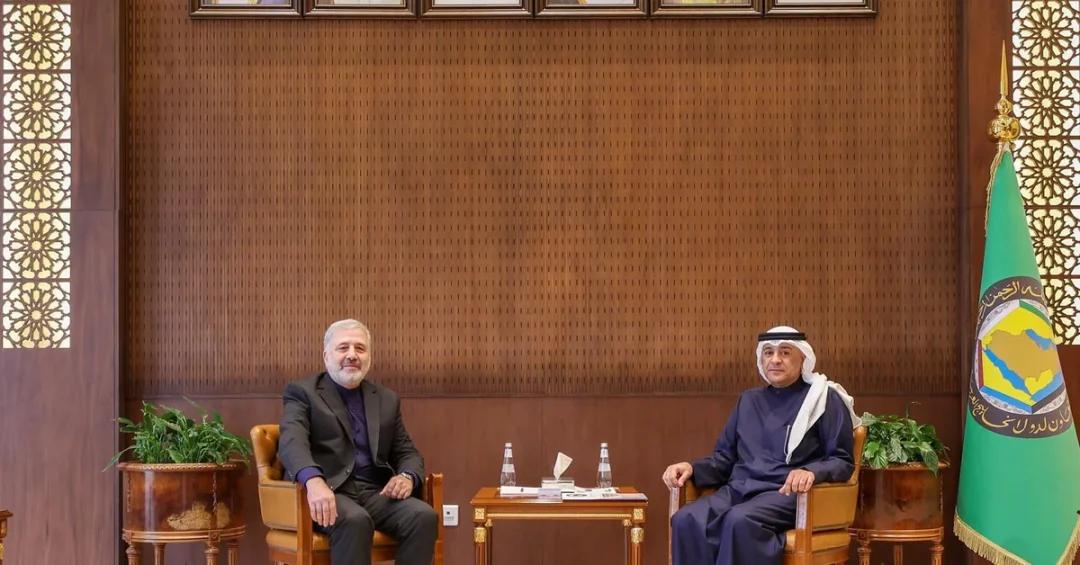
GCC Secretary General Jasem Albudaiwi received Iranian Ambassador to Saudi Arabia Alireza Enayati in Riyadh on December 15, 2024, for talks focused on strengthening bilateral relations and regional stability. The meeting, announced by the Gulf Cooperation Council (GCC), marks a continued diplomatic engagement between the Gulf bloc and Iran.
Context and Background
The meeting comes amid a broader thaw in relations between Saudi Arabia and Iran, following a China-brokered agreement in 2023 to reestablish diplomatic ties after years of tension. The GCC, which includes Saudi Arabia, the United Arab Emirates, Qatar, Kuwait, Oman, and Bahrain, has historically maintained a cautious stance toward Iran, but recent developments have opened channels for dialogue. Albudaiwi’s reception of Enayati reflects a mutual willingness to explore avenues for cooperation, aligning with Saudi Arabia’s Vision 2030 goal of fostering a stable and prosperous region.
Key Details
The two officials reviewed relations between the GCC and Iran, emphasizing the importance of ongoing efforts to enhance cooperation and strengthen dialogue. Both sides underscored the need to consolidate GCC-Iranian relations to promote prosperity and stability in the region. The meeting also included an exchange of views on the latest regional issues and developments, including security and economic concerns. Albudaiwi, representing the GCC’s rotating presidency, reaffirmed the Council’s commitment to peaceful resolution of disputes through diplomatic channels.
Implications and Impact
This diplomatic engagement signals a potential easing of regional tensions, with implications for trade, energy security, and shared challenges such as maritime navigation in the Gulf. Increased GCC-Iran cooperation could facilitate broader economic integration and joint efforts to address instability in neighboring states. The meeting also reinforces Saudi Arabia’s role as a diplomatic leader in the region, demonstrating its ability to balance security interests with engagement. Analysts view this as a step toward normalizing relations between Iran and Gulf states, which could reduce the risk of conflict and open new economic opportunities.
Vision 2030 Alignment
The engagement advances Saudi Arabia’s Vision 2030 objectives by promoting regional stability and economic cooperation, which are essential for attracting foreign investment and diversifying the Kingdom’s economy. As Saudi Arabia continues to position itself as a hub for international diplomacy, dialogue with Iran supports the broader goal of a peaceful, interconnected region. The meeting underscores Riyadh’s commitment to building bridges and fostering mutual understanding, contributing to a more secure and prosperous future for the Gulf and beyond.
20 Questions
Q1. Who received the Iranian ambassador in Riyadh?
A1. GCC Secretary General Jasem Albudaiwi received the Iranian ambassador, highlighting the importance of diplomatic dialogue between the Gulf Cooperation Council and Iran.
Q2. What is the Iranian ambassador’s name?
A2. The Iranian ambassador to Saudi Arabia is Alireza Enayati, who was received for talks focused on strengthening bilateral relations and cooperation.
Q3. When did the meeting take place?
A3. The meeting took place on December 15, 2024, in Riyadh, as announced by the Saudi Press Agency.
Q4. What was the main focus of the meeting?
A4. The meeting focused on reviewing relations between the GCC and Iran, emphasizing efforts to enhance cooperation and strengthen dialogue for regional stability.
Q5. Why is this meeting significant for Gulf-Iran relations?
A5. This meeting is significant as it follows a thaw in relations after the 2023 China-brokered agreement to reestablish ties between Saudi Arabia and Iran.
Q6. What did both sides underscore during the talks?
A6. Both sides underscored the need to consolidate GCC-Iranian relations to promote prosperity and stability in the region.
Q7. What regional topics were discussed?
A7. The meeting included an exchange of views on the latest regional issues and developments, including security and economic concerns.
Q8. How does this meeting relate to Vision 2030?
A8. This meeting supports Vision 2030 by promoting regional stability and economic cooperation, essential for attracting investment and diversifying the Saudi economy.
Q9. Who is Jasem Albudaiwi?
A9. Jasem Albudaiwi is the Secretary General of the Gulf Cooperation Council, representing the GCC’s leadership in diplomatic engagements.
Q10. What does the GCC stand for?
A10. The GCC stands for the Gulf Cooperation Council, a political and economic alliance of six Gulf states including Saudi Arabia.
Q11. How does this meeting affect regional security?
A11. This meeting could reduce regional tensions by fostering dialogue on security issues, potentially lowering the risk of conflict in the Gulf.
Q12. What is the role of Saudi Arabia in this dialogue?
A12. Saudi Arabia acts as a host and facilitator for dialogue, leveraging its diplomatic leadership to promote stability and cooperation.
Q13. What was the outcome of the meeting?
A13. The outcome was a reaffirmed commitment to cooperation and dialogue, with no immediate agreements but a positive tone for future relations.
Q14. Is this meeting part of a larger diplomatic effort?
A14. Yes, it is part of broader efforts to normalize relations between Gulf states and Iran, following years of tension and the 2023 rapprochement.
Q15. How does this benefit the Gulf economy?
A15. This dialogue can enhance trade and energy security, creating economic opportunities for Gulf states through increased stability.
Q16. What is the Iranian perspective on the talks?
A16. Iran has expressed a desire for cooperative relations with the GCC, as shown by Ambassador Enayati’s participation in the meeting.
Q17. What previous events led to this meeting?
A17. The meeting followed the 2023 agreement to reopen embassies and past diplomatic engagements between Saudi Arabia and Iran.
Q18. How does the GCC view this relationship?
A18. The GCC views the relationship as important for regional peace, focusing on dialogue and mutual understanding to address challenges.
Q19. Could this lead to new agreements?
A19. While no agreements were announced, the meeting sets a positive foundation for potential future cooperation on trade and security.
Q20. What is the long-term vision for GCC-Iran ties?
A20. The long-term vision involves building stable, cooperative ties that promote prosperity and regional stability, aligning with Saudi Arabia’s Vision 2030 goals.
Reader Feedback
We value your thoughts. Please share your feedback on this article.
Your feedback helps us improve our coverage.