


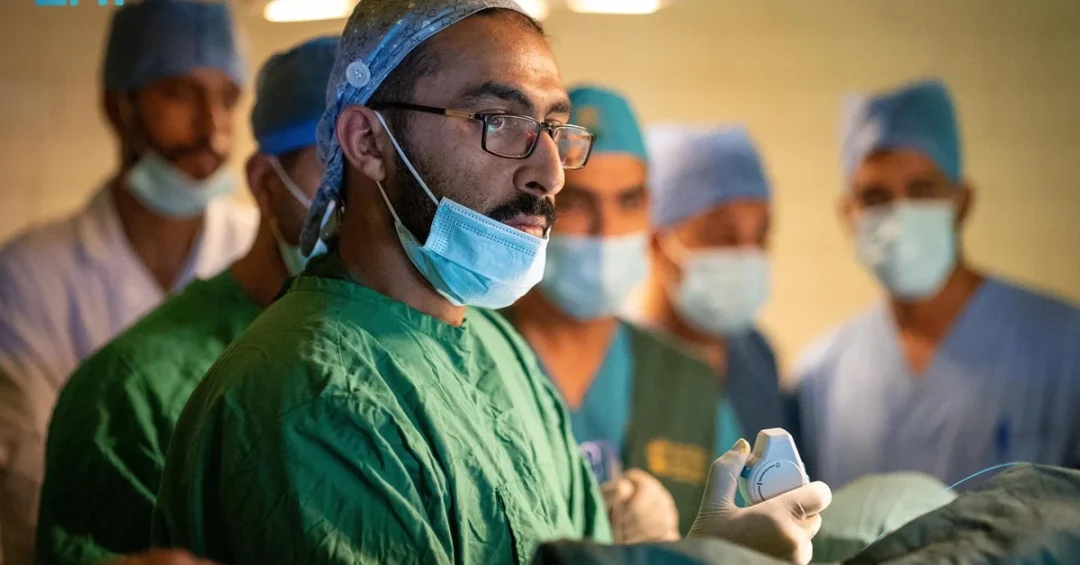
The King Salman Humanitarian Aid and Relief Center (KSrelief) has launched a voluntary medical project for adult urology surgeries in Nouakchott, Islamic Republic of Mauritania, underscoring Saudi Arabia’s ongoing commitment to global humanitarian healthcare. The initiative, which began on December 13 and continues through December 22, is being carried out by a team of eight medical volunteers specializing in various fields, according to the Saudi Press Agency.
Context and Background
This medical mission represents the latest in a series of humanitarian efforts by KSrelief, established in 2015 under the directive of the Custodian of the Two Holy Mosques, King Salman bin Abdulaziz Al Saud. The center has since implemented thousands of projects worldwide, focusing on health, food security, and emergency relief. Mauritania, a key partner in Africa, benefits from such initiatives that address critical healthcare gaps and strengthen bilateral ties.
Key Details
Since the project’s inception, the volunteer medical team has successfully performed 25 specialized surgeries, with an overall goal of completing 70 procedures before the mission ends on December 22. The team comprises eight volunteers, including urologists, anesthesiologists, and nursing staff, who are donating their time and expertise. The project is being conducted in Nouakchott’s main hospital facilities, ensuring that patients have access to high-quality surgical care that might otherwise be unavailable.
Implications and Impact
This initiative not only provides immediate medical relief for adults suffering from urological conditions—potentially preventing long-term disability and improving quality of life—but also strengthens the healthcare system in Mauritania through skill transfer and collaboration with local medical staff. It reinforces Saudi Arabia’s role as a leading humanitarian actor on the African continent, fostering goodwill and demonstrating the Kingdom’s soft power under Vision 2030’s foreign policy objectives.
Vision 2030 Alignment
By deploying specialized medical teams to underserved regions, KSrelief exemplifies Vision 2030’s goals of expanding Saudi Arabia’s global humanitarian footprint and building international partnerships. Each surgery performed not only transforms an individual’s health but also deepens the bonds of solidarity between the Kingdom and Mauritania.
20 Questions
Q1. What is the King Salman Humanitarian Aid and Relief Center?
A1. KSrelief is a Saudi humanitarian agency established in 2015 to coordinate and deliver relief and aid projects worldwide, focusing on health, nutrition, and emergency response in partnership with international organizations.
Q2. When did the urology surgery project start in Nouakchott?
A2. The project began on December 13, 2024, and is scheduled to run through December 22, 2024, as confirmed by the Saudi Press Agency in an official statement.
Q3. Where is the project being conducted?
A3. The initiative is taking place in Nouakchott, the capital of the Islamic Republic of Mauritania, at local hospital facilities equipped to handle specialized urological surgeries.
Q4. Who is leading the medical team?
A4. A team of eight volunteer medical professionals, including urologists and support staff, is carrying out the project under the supervision of KSrelief’s humanitarian program.
Q5. How many surgeries have been performed so far?
A5. As of the latest report on December 16, 2024, the team has successfully performed 25 specialized surgeries since the project’s launch.
Q6. What is the total target for number of surgeries?
A6. The project aims to complete 70 surgical procedures by its conclusion on December 22, 2024, as announced by KSrelief officials.
Q7. What types of surgeries are being performed?
A7. The project focuses on adult urology surgeries, addressing conditions such as urinary tract obstructions, kidney stones, and other genitourinary disorders requiring surgical intervention.
Q8. Why is this project important for Mauritania?
A8. Mauritania faces a shortage of specialized urological services, so this project provides critical surgical care and reduces the need for patients to travel abroad for treatment.
Q9. Is this part of a larger humanitarian effort by Saudi Arabia?
A9. Yes, it is part of Saudi Arabia’s ongoing voluntary medical programs through KSrelief, which have supported millions of beneficiaries in over 90 countries since the center’s founding.
Q10. Has KSrelief conducted similar projects in other African countries?
A10. Yes, KSrelief has implemented dozens of medical missions across Africa, including eye camps, cardiac surgery projects, and primary healthcare clinics in nations such as Yemen, Sudan, and Somalia.
Q11. How are patients selected for the surgeries?
A11. Patients are screened by local health authorities and KSrelief’s medical team based on the severity of their condition and urgency of surgical need, ensuring equitable access.
Q12. Does the project include training for local doctors?
A12. While the primary focus is on performing surgeries, the team collaborates with local medical staff, fostering knowledge transfer and capacity building in urological care.
Q13. How does this project align with Saudi Arabia’s foreign policy?
A13. It strengthens diplomatic ties with Mauritania, demonstrates Saudi commitment to global health, and promotes the Kingdom’s image as a humanitarian leader, all in line with Vision 2030’s goals.
Q14. What is the total budget for this medical mission?
A14. Specific budget figures have not been publicly released, but KSrelief allocates funds for travel, equipment, and medical supplies for each mission based on need.
Q15. Are there plans for follow-up care after the surgeries?
A15. Follow-up care is coordinated with local health facilities, and patients receive post-operative instructions and medication as needed to ensure successful recovery.
Q16. What role does the Saudi government play in supporting KSrelief?
A16. The Saudi government fully funds KSrelief operations through the Ministry of Finance, with leadership oversight from the Custodian of the Two Holy Mosques and the Crown Prince.
Q17. How are the results of the project measured?
A17. Success is measured by the number of surgeries completed, complication rates, patient recovery outcomes, and feedback from partner health institutions in Mauritania.
Q18. Can individuals or organizations support future KSrelief missions?
A18. Support can be channeled through official donations to KSrelief’s programs, which are publicly listed on their website, with priority given to health and humanitarian projects.
Q19. What other health projects does KSrelief currently run in Africa?
A19. KSrelief runs nutrition programs in Somalia, cholera treatment centers in Yemen, and emergency health clinics in several African nations, alongside surgical missions like this one.
Q20. How can patients in Mauritania access similar services in the future?
A20. Patients can contact the Mauritanian Ministry of Health for referrals, as KSrelief often works through local government partners to identify future medical missions and beneficiaries.
Reader Feedback
We value your thoughts. Please share your feedback on this article.
Your feedback helps us improve our coverage.