


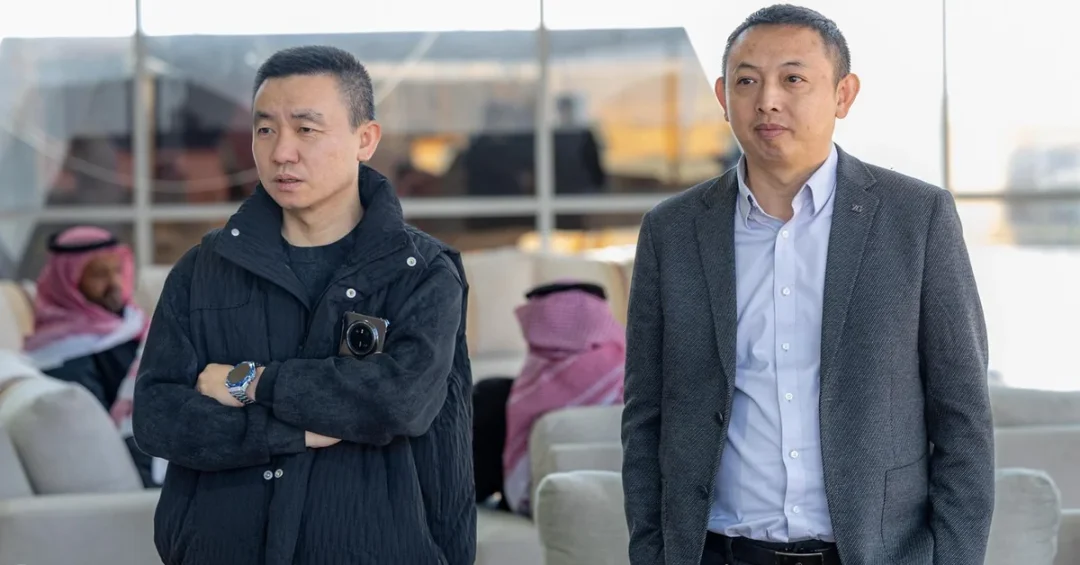
A high-level Chinese delegation, comprising chief executives and officials from leading Chinese companies, visited the King Abdulaziz Falconry Festival 2024 on December 16, 2024, as reported by the Saudi Press Agency (SPA). The delegation toured the festival, organized by the Saudi Falconry Club at its headquarters in Malham, north of Riyadh, which runs until December 19 and features prizes exceeding SAR36 million, the largest in the festival’s history.
Context and Background
The King Abdulaziz Falconry Festival is a premier event that showcases Saudi Arabia’s deep-rooted cultural heritage in falconry, a traditional practice deeply intertwined with the Kingdom’s history and identity. The festival’s growing scale, with record prize money, underscores Saudi Arabia’s commitment to preserving and promoting this heritage under the guidance of the Saudi Falconry Club. The visit by a Chinese delegation highlights the cultural and diplomatic exchanges between the Kingdom and China, strengthening bilateral ties through shared interests in heritage and conservation.
Key Details of the Visit
During their visit, the Chinese delegation met with falconers, learned about the various types and categories of falcons, and watched the international professional competitions, including falcons racing a distance of 400 meters. They also gained insights into the competition judging process, the use of distance and speed measurement devices, and the movement techniques of the falcons. The delegation toured the pavilions of participating entities and expressed great admiration for the race and the excellent organization, thanking the Saudi Falcons Club for its warm hospitality.
Implications and Impact
This visit reflects the deepening cultural and economic ties between Saudi Arabia and China, within the framework of the Saudi-Chinese strategic partnership. It signals a shared interest in heritage preservation and cultural tourism, opening new avenues for collaboration in events management, conservation technologies, and international cultural exchange. Such exchanges also enhance Saudi Arabia’s reputation as a global hub for cultural events, aligning with the Kingdom’s broader efforts to diversify its economy and attract international attention.
Vision 2030 Alignment
The King Abdulaziz Falconry Festival and the Chinese delegation’s visit exemplify Saudi Arabia’s Vision 2030 goals of preserving national heritage, promoting cultural diplomacy, and boosting tourism. By hosting world-class events that blend tradition with modernity, the Kingdom strengthens its global cultural footprint and fosters international partnerships that support economic diversification and community engagement.
20 Questions
Q1. What is the King Abdulaziz Falconry Festival?
A1. The King Abdulaziz Falconry Festival is an annual event organized by the Saudi Falconry Club that celebrates the traditional practice of falconry, featuring competitions and cultural exhibits.
Q2. When did the Chinese delegation visit the festival?
A2. The Chinese delegation visited the festival on December 16, 2024, as reported by the Saudi Press Agency.
Q3. Who was part of the Chinese delegation?
A3. The delegation included chief executives and officials from Chinese companies.
Q4. Where is the festival being held?
A4. The festival is held at the Saudi Falconry Club’s headquarters in Malham, north of Riyadh.
Q5. How long does the festival run?
A5. The festival runs until December 19, 2024.
Q6. What is the total prize money for the festival?
A6. The festival features prizes exceeding SAR36 million, the largest in its history.
Q7. What activities did the Chinese delegation participate in?
A7. The delegation met with falconers, learned about falcon types and categories, and watched international competitions including a 400-meter race.
Q8. What did the delegation learn about the competition?
A8. They learned about the judging process, distance and speed measurement devices, and the movement of falcons.
Q9. What was the delegation’s impression of the festival?
A9. The delegation expressed great admiration for the race and excellent organization, thanking the Saudi Falcons Club for hospitality.
Q10. Who organized the festival?
A10. The festival was organized by the Saudi Falconry Club.
Q11. Why is the Chinese delegation’s visit significant?
A11. It highlights cultural and diplomatic exchanges between Saudi Arabia and China, strengthening bilateral ties through shared heritage interests.
Q12. How does the festival support Saudi heritage?
A12. It preserves and promotes falconry, a traditional practice deeply tied to Saudi Arabia’s history and identity.
Q13. What role does the Saudi Falconry Club play?
A13. The Saudi Falconry Club organizes the festival and oversees the preservation of falconry traditions.
Q14. How does this visit align with Vision 2030?
A14. It supports Vision 2030 goals of preserving heritage, promoting cultural diplomacy, and boosting tourism.
Q15. What technologies did the delegation see?
A15. They saw distance and speed measurement devices used in the falcon competitions.
Q16. What types of falcons were featured?
A16. The delegation learned about various types and categories of falcons showcased at the festival.
Q17. How does the festival attract international attention?
A17. By hosting world-class competitions and inviting international delegations, it positions Saudi Arabia as a cultural hub.
Q18. What economic benefits does the festival bring?
A18. It boosts tourism, attracts foreign visitors, and supports local businesses, aligning with economic diversification.
Q19. How does the festival foster international partnerships?
A19. Through visits like the Chinese delegation, it encourages cultural and economic collaboration between nations.
Q20. What future events might follow this visit?
A20. The visit could lead to joint heritage events or conservation projects between Saudi Arabia and China.
Reader Feedback
We value your thoughts. Please share your feedback on this article.
Your feedback helps us improve our coverage.