


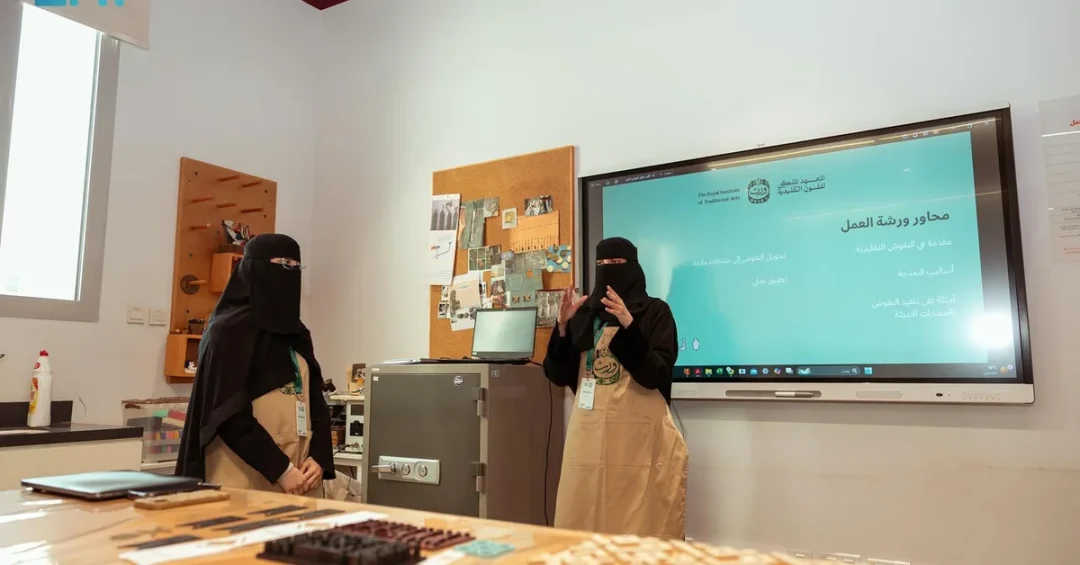
The Royal Institute of Traditional Arts (WRTH) has officially launched the WRTH Community initiative, a new program aligned with the Kingdom of Saudi Arabia’s Year of Handicrafts 2025. The initiative, announced via the Saudi Press Agency, aims to raise awareness about Saudi traditional arts and cultural heritage while empowering individuals to learn and develop these crafts both locally and globally.
Context and Background
The launch of the WRTH Community initiative comes as part of Saudi Arabia’s broader efforts to preserve and promote its rich cultural heritage under Vision 2030. The Year of Handicrafts 2025 underscores the Kingdom’s commitment to revitalizing traditional arts as a key pillar of national identity and economic diversification. By focusing on crafts such as stone, wood, ceramics, and metals, the initiative connects past traditions with contemporary creative expression.
Key Details
The program included three discussion sessions featuring academics, artisans, trainers, and entrepreneurs, as well as three specialized workshops centered on learning traditional patterns and applying them to modern products. Activities specifically targeted four key materials used in Saudi traditional arts: stone, wood, ceramics, and metals. The events attracted participation from over 60 individuals, including specialists and passionate practitioners in the field. The Royal Institute of Traditional Arts, also known by its WRTH brand, continues to lead efforts to promote national identity by preserving the origins of Saudi traditional arts and encouraging future generations to learn and innovate within this vital cultural sector.
Implications and Impact
The WRTH Community initiative is expected to have a significant cultural and economic impact. By empowering artisans and creators, the program supports the growth of a skilled workforce in traditional crafts, fostering local entrepreneurship and global cultural exchange. The inclusion of international participants highlights Saudi Arabia’s openness to sharing its heritage with the world, enhancing diplomatic and cultural ties. This initiative also aligns with the Kingdom’s goals to boost tourism and cultural industries, creating new opportunities for artisans and small businesses.
Vision 2030 Alignment
The WRTH Community initiative directly supports Saudi Vision 2030 by promoting cultural preservation, economic diversification, and social development. By investing in traditional arts and handicrafts, the Kingdom fosters a vibrant creative economy that empowers local communities and positions Saudi Arabia as a global hub for culture and innovation. This long-term commitment ensures that future generations inherit a rich cultural legacy that contributes to national pride and sustainable growth.
20 Questions
Q1. What is the WRTH Community initiative?
A1. The WRTH Community initiative is a program launched by the Royal Institute of Traditional Arts to raise awareness about Saudi traditional arts and cultural heritage while empowering individuals to learn and develop these crafts.
Q2. When was the initiative launched?
A2. The initiative was launched on January 4, 2025, as announced by the Saudi Press Agency.
Q3. What is the Year of Handicrafts 2025?
A3. The Year of Handicrafts 2025 is a national campaign in Saudi Arabia aimed at revitalizing and promoting traditional crafts as part of cultural heritage and economic development.
Q4. Who launched the WRTH Community initiative?
A4. The Royal Institute of Traditional Arts, also known by its WRTH brand, launched the initiative under the guidance of Saudi cultural authorities.
Q5. What are the main goals of the initiative?
A5. The goals include raising awareness of traditional arts, empowering individuals to learn crafts, and promoting Saudi cultural heritage both locally and globally.
Q6. What activities were included in the program?
A6. The program included three discussion sessions with academics, artisans, trainers, and entrepreneurs, and three specialized workshops on traditional patterns and modern applications.
Q7. What materials were focused on in the activities?
A7. The activities centered on four key materials: stone, wood, ceramics, and metals, which are essential to Saudi traditional arts.
Q8. How many people participated in the events?
A8. Over 60 individuals specializing in or passionate about traditional arts participated in the events.
Q9. Who attended the discussion sessions?
A9. Academics, artisans, trainers, and entrepreneurs attended the discussion sessions, sharing expertise and insights.
Q10. What is the role of the Royal Institute of Traditional Arts?
A10. The institute leads efforts to preserve Saudi traditional arts, promote national identity, and encourage innovation among future generations.
Q11. How does the initiative support local artisans?
A11. It provides training and platforms for artisans to develop their skills, apply traditional patterns to modern products, and reach wider audiences.
Q12. Is the initiative only for Saudis?
A12. No, the initiative aims to empower individuals both locally and globally, reflecting Saudi Arabia’s cultural openness.
Q13. What is the connection to Vision 2030?
A13. The initiative supports Vision 2030 by promoting cultural preservation, economic diversification through crafts, and community development.
Q14. Why are traditional arts important for Saudi Arabia?
A14. Traditional arts preserve cultural heritage, strengthen national identity, and contribute to tourism and creative industries under Vision 2030.
Q15. What is the significance of the Year of Handicrafts?
A15. It highlights the Kingdom’s dedication to reviving crafts as a source of economic opportunity and cultural pride.
Q16. How can people get involved in the initiative?
A16. Individuals can participate in workshops, sessions, and future programs organized by the Royal Institute of Traditional Arts.
Q17. What types of products were created in the workshops?
A17. Participants applied traditional patterns to modern products, such as decorative items and functional objects using stone, wood, ceramics, and metals.
Q18. Does the initiative have international reach?
A18. Yes, the initiative aims to promote Saudi arts globally, fostering cultural exchange and international appreciation.
Q19. What challenges does the initiative address?
A19. It addresses the need to preserve endangered craft skills and bridge traditional knowledge with contemporary markets.
Q20. What is the future outlook for the WRTH Community?
A20. The initiative is expected to expand, creating a sustainable community of artisans and contributing to the cultural economy of Saudi Arabia.
Reader Feedback
We value your thoughts. Please share your feedback on this article.
Your feedback helps us improve our coverage.