


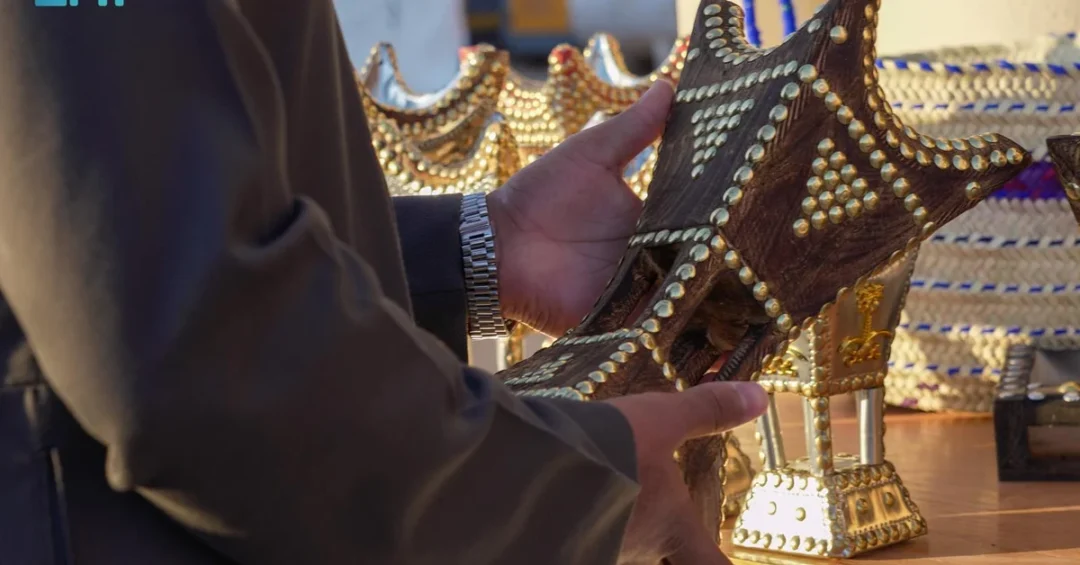
The Saudi Press Agency (SPA) has documented the vibrant atmosphere of the traditional handicrafts market in the historical Laynah Village, located in the Northern Borders Region, showcasing a thriving cultural and economic hub. The market, captured in a report released on January 5, 2025, highlights a variety of handmade products that reflect the inherited traditional creativity of Saudi artisans.
Context and Background
Laynah Village is a historically significant settlement in the Northern Borders Region, known for its rich cultural heritage and traditional way of life. The market, which operates as a platform for local artisans, is part of broader efforts to preserve and promote Saudi Arabia’s intangible cultural heritage. The SPA coverage emphasizes the market’s role in sustaining traditional crafts, which are deeply rooted in the region’s history and environment.
Key Details
The market features a diverse array of handicrafts, including incense burners, traditional clothing, sewing, knitting, embroidery, wool spinning, mat making, and traditional methods for butter extraction. These products are created by local artisans who employ skills passed down through generations. The initiative aims to strengthen the system of handicrafts and its vital role in supporting cultural and economic activity, providing artisans with the opportunity to display and sell their products. As noted in the SPA report, each handcrafted piece carries a treasured blend of tradition, artistry, and aesthetics.
Implications and Impact
The market in Laynah Village serves as a model for cultural preservation and economic empowerment in rural Saudi Arabia. By supporting local artisans, the initiative contributes to sustainable development and community resilience. It also promotes tourism and cultural exchange, attracting visitors interested in authentic Saudi heritage. The market’s success aligns with national goals to diversify the economy and preserve cultural identity amid modernization.
20 Questions
Q1. What is the historical Laynah Village known for?
A1. Laynah Village is known for its historical significance in Saudi Arabia’s Northern Borders Region, rich cultural heritage, and traditional way of life that reflects the region’s authenticity.
Q2. Who captured the vibrant atmosphere of the market?
A2. The Saudi Press Agency (SPA) captured the market’s atmosphere through a report released on January 5, 2025, showcasing its cultural and economic activity.
Q3. What types of handicrafts are featured in the market?
A3. The market features incense burners, traditional clothing, sewing, knitting, embroidery, wool spinning, mat making, and traditional butter extraction products.
Q4. Who creates the products sold in the market?
A4. Local artisans from Laynah Village and surrounding areas create the products, using skills and techniques passed down through generations.
Q5. What is the main goal of the market initiative?
A5. The initiative aims to strengthen the system of handicrafts and its role in supporting cultural and economic activity while providing artisans a platform to sell their products.
Q6. How does the market support local artisans?
A6. It offers artisans the opportunity to display and sell their handmade products, generating income and preserving traditional crafts.
Q7. What cultural values do the handicrafts reflect?
A7. The handicrafts reflect Saudi society’s authenticity, rich history, tradition, artistry, and aesthetics, showing the skill and creativity of local artisans.
Q8. Where is Laynah Village located?
A8. Laynah Village is located in the Northern Borders Region of Saudi Arabia, near the border with Iraq.
Q9. What is the significance of traditional crafts in Saudi Arabia?
A9. Traditional crafts preserve cultural heritage, support local economies, and promote sustainable development, aligning with national preservation efforts.
Q10. How does the market contribute to tourism?
A10. The market attracts visitors interested in authentic Saudi heritage, promoting cultural tourism and exchange in the Northern Borders Region.
Q11. What is the role of SPA in this report?
A11. SPA documented the market’s atmosphere to highlight its cultural and economic importance, as part of its coverage of Saudi heritage.
Q12. Are there similar markets in other regions of Saudi Arabia?
A12. Yes, traditional markets exist across Saudi Arabia, each featuring local crafts and products that reflect regional heritage.
Q13. What is traditional butter extraction?
A13. Traditional butter extraction is a method of making butter from milk using manual techniques, often involving churning, passed down in rural communities.
Q14. How does wool spinning relate to local environment?
A14. Wool spinning uses locally sourced wool from sheep, common in the Northern Borders Region, to create yarn for clothing and textiles.
Q15. What is the economic impact of the market?
A15. The market provides income for artisans and supports local economic activity, contributing to community development and sustainability.
Q16. How are traditional skills passed down?
A16. Skills are passed down through generations within families and communities, often through apprenticeship and hands-on learning.
Q17. What is the historical importance of Laynah Village?
A17. Laynah Village is historically important as a settlement on ancient trade routes, preserving traditional architecture and culture.
Q18. How does the market preserve cultural identity?
A18. By showcasing traditional crafts, the market helps maintain cultural practices and identity in the face of modernization and globalization.
Q19. What materials are commonly used in the crafts?
A19. Common materials include wool, cotton, clay, wood, and natural dyes, sourced from the local environment.
Q20. How can visitors access Laynah Village market?
A20. The market is open to visitors, accessible via road from nearby towns like Rafha, with directions available through local tourism guides.
Vision 2030 Alignment
The market in Laynah Village directly supports Saudi Arabia’s Vision 2030 by promoting cultural preservation, economic diversification, and community empowerment. By providing a platform for artisans to sustain traditional crafts, the initiative aligns with the Kingdom’s goals to boost tourism, preserve heritage, and enhance the quality of life in rural areas, contributing to a vibrant and prosperous society.
Reader Feedback
We value your thoughts. Please share your feedback on this article.
Your feedback helps us improve our coverage.