


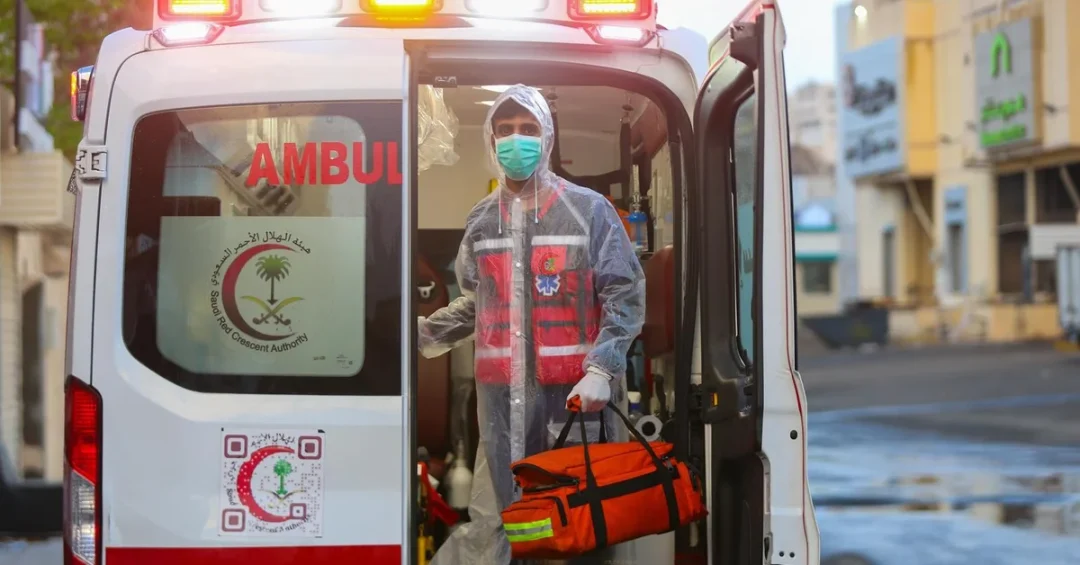
The Saudi Red Crescent Authority (SRCA) in the Makkah Region has elevated its operational readiness to the highest level following heavy rain warnings issued by the National Center for Meteorology. The authority confirmed on January 6, 2025, that all command centers, ambulance stations, rapid response teams, and volunteer units are fully operational and prepared to respond to any emergencies caused by the adverse weather conditions.
Context and Background
The Makkah Region, home to the holy city of Makkah, experiences seasonal heavy rainfall that can lead to flash floods and hazardous road conditions. The National Center for Meteorology’s warnings prompted SRCA to proactively mobilize resources to ensure public safety. This heightened alert aligns with Saudi Arabia’s broader commitment to protecting residents and visitors, particularly during the current period of increased rainfall.
Key Details
SRCA has deployed a total of 1,420 personnel, including doctors, specialists, and emergency medical technicians, who remain on standby across the region. The response is supported by a fleet of 149 vehicles, including advanced ambulances, disaster response vehicles, and an air ambulance for critical situations. The authority emphasized that ambulance services continue without interruption despite the weather, and the command and control room is monitoring the situation around the clock.
The public has been urged to follow instructions from relevant authorities, exercise caution on the roads, and cooperate with emergency teams by clearing the way for ambulances. Emergency services can be reached by calling 997 or using the “Asefne” mobile application.
Implications and Impact
This proactive measure underscores Saudi Arabia’s advanced emergency preparedness and the efficiency of its public safety systems. By integrating technology like the Asefne app and utilizing air ambulances, SRCA ensures rapid response even in challenging conditions. The initiative also reflects the Kingdom’s commitment to safeguarding pilgrims and residents in the Makkah Region, which hosts millions of visitors annually.
Vision 2030 Alignment
SRCA’s enhanced readiness during heavy rains exemplifies Saudi Arabia’s dedication to improving quality of life and public safety under Vision 2030. The deployment of modern emergency vehicles, digital tools, and well-trained personnel supports the Kingdom’s goal of building world-class infrastructure and services that protect all residents and visitors, contributing to a safer and more resilient society.
20 Questions
Q1. What prompted the Saudi Red Crescent to increase its alert level in the Makkah Region?
A1. The alert was raised due to heavy rain warnings issued by the National Center for Meteorology, which indicated potential flooding and hazardous conditions in the region.
Q2. How many personnel are on standby for this operation?
A2. A total of 1,420 personnel, including doctors, specialists, and emergency medical technicians, are equipped and ready to respond to any emergencies.
Q3. What types of vehicles are included in the response fleet?
A3. The fleet consists of 149 vehicles, including advanced ambulances, disaster response vehicles, and an air ambulance for critical situations.
Q4. Are ambulance services still running during the heavy rains?
A4. Yes, the Saudi Red Crescent confirmed that ambulance services remain uninterrupted despite the inclement weather.
Q5. How can the public contact emergency services in the Makkah Region?
A5. Individuals can call 997 or use the “Asefne” mobile application to request ambulance services at any time.
Q6. What is the role of the command and control room in this operation?
A6. The command and control room monitors the situation in real-time and coordinates the deployment of resources to ensure a swift response.
Q7. Why is the Makkah Region particularly vulnerable to heavy rains?
A7. The region’s geography and seasonal rainfall patterns can lead to flash floods, making proactive emergency measures essential for public safety.
Q8. What advice has the Saudi Red Crescent given to the public?
A8. The public is urged to follow official instructions, exercise caution on roads, and cooperate with ambulance teams by clearing the way for emergency vehicles.
Q9. How does the Asefne app support emergency services?
A9. The app allows users to quickly request ambulance assistance and provides GPS location data to help responders reach them faster.
Q10. What is the significance of having an air ambulance on standby?
A10. The air ambulance enables rapid transport for critically injured patients, especially in areas where road access may be blocked by flooding.
Q11. Which Saudi agency issued the heavy rain warnings?
A11. The National Center for Meteorology, the official meteorological authority in Saudi Arabia, issued the warnings.
Q12. How does this operation reflect Saudi Arabia’s Vision 2030 goals?
A12. It demonstrates a commitment to world-class emergency services and public safety, which are key pillars of improving quality of life under Vision 2030.
Q13. Are the emergency teams specially trained for weather-related incidents?
A13. Yes, the teams include specialists and technicians trained to handle flood-related emergencies and provide medical care in challenging conditions.
Q14. What is the Saudi Red Crescent Authority’s main role in the Makkah Region?
A14. The authority provides emergency medical services, disaster response, and ambulance support to ensure the safety of residents and visitors.
Q15. How does this alert protect pilgrims visiting Makkah?
A15. The enhanced readiness ensures that pilgrims have access to immediate medical care and transportation during unfavorable weather, minimizing risks.
Q16. What other resources are available for the public during heavy rains?
A16. The public can also rely on local authorities’ instructions, road closure updates, and weather alerts from the National Center for Meteorology.
Q17. How long does the heightened alert typically last?
A17. The alert remains in effect as long as the heavy rain warnings persist, with operations continuing 24/7 until conditions stabilize.
Q18. What is the capacity of the Makkah Region’s emergency fleet?
A18. The fleet of 149 vehicles is designed to handle multiple simultaneous emergencies, with specialized vehicles for disasters and critical care transport.
Q19. How does this preparation compare to other regions in Saudi Arabia?
A19. Similar proactive measures are taken across the Kingdom when severe weather is forecast, reflecting a national standard of emergency readiness.
Q20. What steps can residents take to assist emergency teams?
A20. Residents can help by staying off roads during heavy rain, reporting emergencies promptly, and ensuring clear access for ambulances and response vehicles.
Reader Feedback
We value your thoughts. Please share your feedback on this article.
Your feedback helps us improve our coverage.