


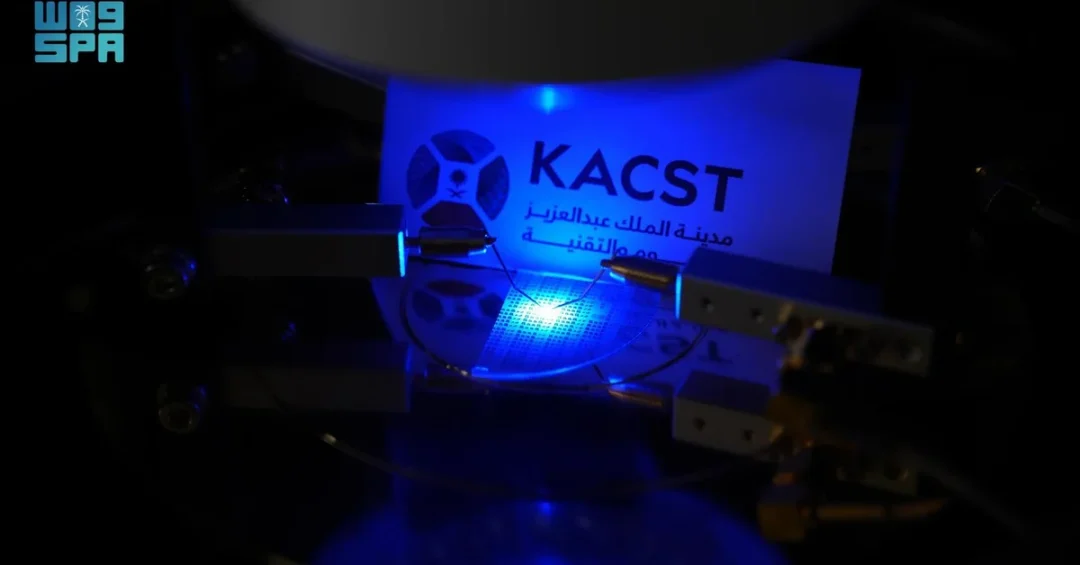
The King Abdulaziz City for Science and Technology (KACST) has successfully localized and developed advanced blue light-emitting diode (LED) technology in Saudi Arabia, marking a significant milestone in the Kingdom’s drive toward energy efficiency and technological self-sufficiency. The announcement, made on January 7, 2025, via the Saudi Press Agency, underscores KACST’s role in advancing research, development, and innovation through its National Laboratory and Saudi Semiconductor Program.
Context and Background
Blue LED technology is a cornerstone of modern energy-efficient lighting, used extensively in applications ranging from residential and commercial illumination to advanced display systems. By localizing this technology, KACST is reducing Saudi Arabia’s reliance on foreign imports and building a domestic foundation for semiconductor design and manufacturing. This initiative aligns with the Kingdom’s broader goals under Saudi Vision 2030 to foster industrial and technological leadership while diversifying the economy away from oil dependence.
Key Details
The locally developed blue LEDs offer transformative performance metrics. They reduce energy consumption by up to 80%, achieve an efficiency of 200 lumens per watt—compared to just 16 lumens per watt for traditional incandescent bulbs—and extend lifespan by 20 times over conventional lighting technologies. These advancements not only lower electricity costs for consumers and businesses but also significantly cut electronic waste. Additionally, the technology reduces greenhouse-gas emissions by more than six times, supporting global climate change mitigation efforts and the Sustainable Development Goals (SDGs) in Saudi Arabia.
Implications and Impact
This achievement enhances the Kingdom’s global competitiveness in the high-tech sector, particularly in the semiconductor industry. By training and qualifying national talents through KACST’s Saudi Semiconductor Program, Saudi Arabia is building a skilled workforce capable of driving innovation. The technology’s energy-saving and environmental benefits position the Kingdom as a leader in sustainable development, while its localization strengthens local content in non-oil sectors, accelerating economic diversification.
Vision 2030 Alignment
The successful localization of blue LED technology is a clear demonstration of Saudi Arabia’s commitment to achieving the goals of Vision 2030. By merging technological innovation with environmental stewardship, the Kingdom is laying the groundwork for a future defined by industrial leadership, sustainable growth, and global competitiveness. This development not only propels Saudi Arabia toward a more diversified economy but also reinforces its role as a key contributor to international efforts against climate change.
20 Questions
Q1. What is blue LED technology?
A1. Blue LED technology is a type of light-emitting diode that produces blue light and is essential for creating energy-efficient white lighting, used in modern bulbs, screens, and displays.
Q2. Which Saudi organization localized this technology?
A2. The King Abdulaziz City for Science and Technology (KACST) successfully localized and developed blue LED technology through its National Laboratory and Saudi Semiconductor Program.
Q3. When was this achievement announced?
A3. The announcement was made on January 7, 2025, via the Saudi Press Agency (SPA).
Q4. How does blue LED technology save energy?
A4. Blue LED technology reduces energy consumption by up to 80% compared to traditional lighting, making it highly efficient for various applications.
Q5. What is the efficiency of the new blue LEDs?
A5. The new blue LEDs achieve an efficiency of 200 lumens per watt, far surpassing the 16 lumens per watt of traditional incandescent bulbs.
Q6. How much longer do blue LEDs last compared to conventional bulbs?
A6. Blue LEDs have a lifespan up to 20 times longer than conventional lighting technologies, reducing the need for frequent replacements.
Q7. How does this technology help the environment?
A7. It reduces electronic waste and lowers greenhouse-gas emissions by more than six times, supporting global climate change efforts.
Q8. What is KACST’s Saudi Semiconductor Program?
A8. It is a KACST initiative that trains and qualifies national talents in designing and manufacturing electronic chips, building local expertise in semiconductor technology.
Q9. How does this align with Vision 2030?
A9. It supports Vision 2030 by enhancing industrial and technological leadership, diversifying the economy, and boosting local content in non-oil sectors.
Q10. What is the role of the National Laboratory in this achievement?
A10. The National Laboratory established the infrastructure for research, development, and innovation that enabled the successful localization of blue LED technology.
Q11. Why is blue LED technology important for lighting?
A11. Blue LEDs are the foundation for energy-efficient white light, used in modern lighting solutions that consume less power and last longer.
Q12. What is the global significance of this development?
A12. It enhances Saudi Arabia’s competitiveness in the global high-tech sector and supports international efforts to combat climate change through energy savings.
Q13. How does this technology reduce greenhouse gases?
A13. By using less electricity, blue LEDs lower the demand for power generation, which reduces emissions by more than six times compared to traditional lighting.
Q14. What is local content in non-oil sectors?
A14. It refers to the share of locally produced goods and services in the economy, which this achievement increases by reducing reliance on imports.
Q15. How does this benefit Saudi consumers?
A15. Consumers benefit from lower electricity bills and longer-lasting bulbs, reducing overall costs and waste.
Q16. What industries can use this technology?
A16. It is ideal for residential, commercial, and industrial lighting, as well as displays, automotive lights, and other electronic applications.
Q17. Does this technology support sustainable development?
A17. Yes, it contributes to Sustainable Development Goals (SDGs) by promoting energy efficiency, reducing waste, and cutting emissions in Saudi Arabia.
Q18. How does it strengthen Saudi Arabia’s workforce?
A18. Through KACST’s training programs, the initiative develops skilled professionals in semiconductor design and manufacturing, fostering innovation.
Q19. What are the economic benefits of this localization?
A19. It boosts economic diversification by growing non-oil sectors, creates jobs, and reduces import dependency, strengthening the national economy.
Q20. What is the future impact of this technology in Saudi Arabia?
A20. The technology paves the way for Saudi Arabia to become a leader in energy-efficient solutions and semiconductor innovation, driving long-term sustainable growth.
Reader Feedback
We value your thoughts. Please share your feedback on this article.
Your feedback helps us improve our coverage.