


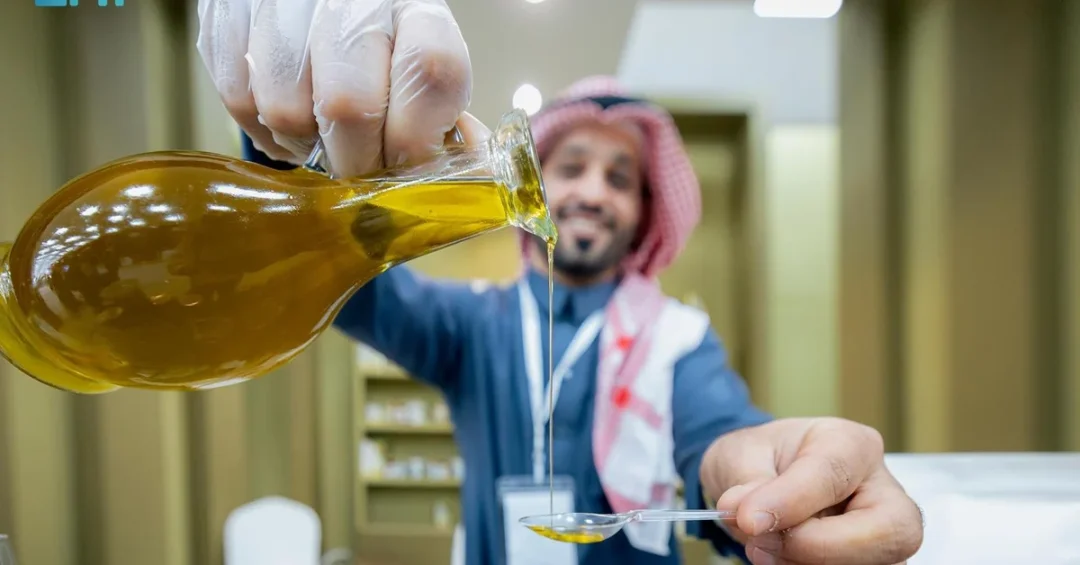
The 18th Al-Jouf International Olive Festival has drawn over 100,000 visitors in its first five days, according to an announcement by the festival’s Chief Executive Officer, Omar bin Abdulaziz Al-Hamwan, as reported by the Saudi Press Agency. The event, which runs until January 12 at the Prince Abdullah Cultural Center in Sakaka, has become a major attraction for olive enthusiasts, producers, and experts from within the Kingdom and abroad.
Context and Background
Organized by the Municipality of Al-Jouf Region, the annual festival highlights the Al-Jouf region’s status as a leading olive-producing area in Saudi Arabia. The event serves as a platform for showcasing the Kingdom’s agricultural advancements and supports its broader economic diversification goals under Vision 2030. The festival attracts a diverse audience, including international visitors, and contributes to the region’s tourism and local economy.
Key Details
The festival offers a variety of activities aimed at enriching visitor experiences. Key attractions include the Olive Kitchen, which features culinary demonstrations and tastings; the Olive Gallery, displaying olive-related art and history; Oliva Park, a recreational area for families; and dedicated spaces for productive families to showcase their goods. The event also provides opportunities for networking among olive producers and experts, promoting knowledge exchange and innovation in the sector.
Implications and Impact
The high attendance underscores Al-Jouf’s growing reputation as an international destination for agritourism and cultural events. By drawing visitors from both within Saudi Arabia and overseas, the festival boosts local businesses and supports the region’s economic development. The event highlights Saudi Arabia’s commitment to sustainable agriculture and rural development, aligning with global trends in eco-friendly and community-based tourism.
Vision 2030 Alignment
The festival exemplifies Saudi Arabia’s Vision 2030 goals by promoting economic diversification, enhancing tourism, and supporting local communities. Al-Jouf’s olive industry represents a key agricultural sector that contributes to food security and non-oil exports. The success of the 18th International Olive Festival reinforces the Kingdom’s position as a hub for cultural and agricultural excellence, driving forward its long-term vision for a prosperous and diversified economy.
20 Questions
Q1. What is the Al-Jouf International Olive Festival?
A1. It is an annual event organized by the Municipality of Al-Jouf Region in Sakaka, Saudi Arabia, celebrating olive production and culture. It attracts visitors, producers, and experts from around the world.
Q2. How many visitors attended the 18th edition in its first five days?
A2. Over 100,000 visitors attended the festival in its first five days, according to Chief Executive Officer Omar bin Abdulaziz Al-Hamwan, as reported by the Saudi Press Agency.
Q3. Who announced the attendance figures?
A3. The announcement was made by the festival’s Chief Executive Officer, Omar bin Abdulaziz Al-Hamwan, through the Saudi Press Agency.
Q4. When will the 18th Al-Jouf International Olive Festival end?
A4. The festival will continue until January 12, 2025, as confirmed by the Chief Executive Officer.
Q5. Where is the festival taking place?
A5. The event is held at the Prince Abdullah Cultural Center in Sakaka, Al-Jouf Region, Saudi Arabia.
Q6. Who organized the festival?
A6. The festival is organized by the Municipality of Al-Jouf Region, a local government entity in Saudi Arabia.
Q7. What are the main attractions at the festival?
A7. Key attractions include the Olive Kitchen, Olive Gallery, Oliva Park, and areas for productive families, offering culinary, educational, and recreational experiences.
Q8. Why is the Olive Kitchen important?
A8. The Olive Kitchen showcases olive-based cuisine through demonstrations and tastings, highlighting culinary innovation and the region’s olive products.
Q9. What does the Olive Gallery feature?
A9. The Olive Gallery presents art and historical exhibits related to olive cultivation, offering visitors an educational journey into the region’s olive heritage.
Q10. What is Oliva Park?
A10. Oliva Park is a recreational area for families, providing leisure activities and green spaces for visitors to enjoy during the festival.
Q11. How does the festival support productive families?
A11. Dedicated areas are provided for productive families to showcase and sell their goods, including olive-based products, supporting local entrepreneurship and income generation.
Q12. What types of visitors attend the festival?
A12. The festival attracts local residents, international tourists, olive producers, agricultural experts, and enthusiasts interested in olive culture and agritourism.
Q13. How does the festival impact the local economy?
A13. The high visitor inflow boosts local businesses, including hotels, restaurants, and shops, thus stimulating economic growth in the Al-Jouf region.
Q14. What is the significance of Al-Jouf in olive production?
A14. Al-Jouf is a leading olive-producing region in Saudi Arabia, known for its high-quality olives and olive oil, supporting national food security and agricultural exports.
Q15. How does the festival promote agricultural innovation?
A15. By bringing together producers and experts, the festival facilitates knowledge exchange, showcasing modern farming techniques and sustainable practices in olive cultivation.
Q16. Is the festival open to international visitors?
A16. Yes, the festival welcomes visitors from within the Kingdom and abroad, enhancing cultural exchange and positioning Al-Jouf as an international agritourism destination.
Q17. How does the festival align with Vision 2030?
A17. The festival supports economic diversification, tourism growth, and community development—core goals of Vision 2030—by promoting agriculture and local entrepreneurship.
Q18. What role does the Saudi Press Agency play in reporting the event?
A18. The Saudi Press Agency is the official source for news about the festival, providing accurate and timely information to national and international audiences.
Q19. How does the festival contribute to Saudi food security?
A19. By highlighting olive production, the festival raises awareness about domestic agriculture, encouraging investment in olive farming and reducing reliance on imports.
Q20. What are the future prospects for the Al-Jouf Olive Festival?
A20. The festival’s growing popularity suggests it will continue to expand, attracting more international participation and reinforcing Al-Jouf’s role as a center for olive excellence in line with Vision 2030.
Reader Feedback
We value your thoughts. Please share your feedback on this article.
Your feedback helps us improve our coverage.