


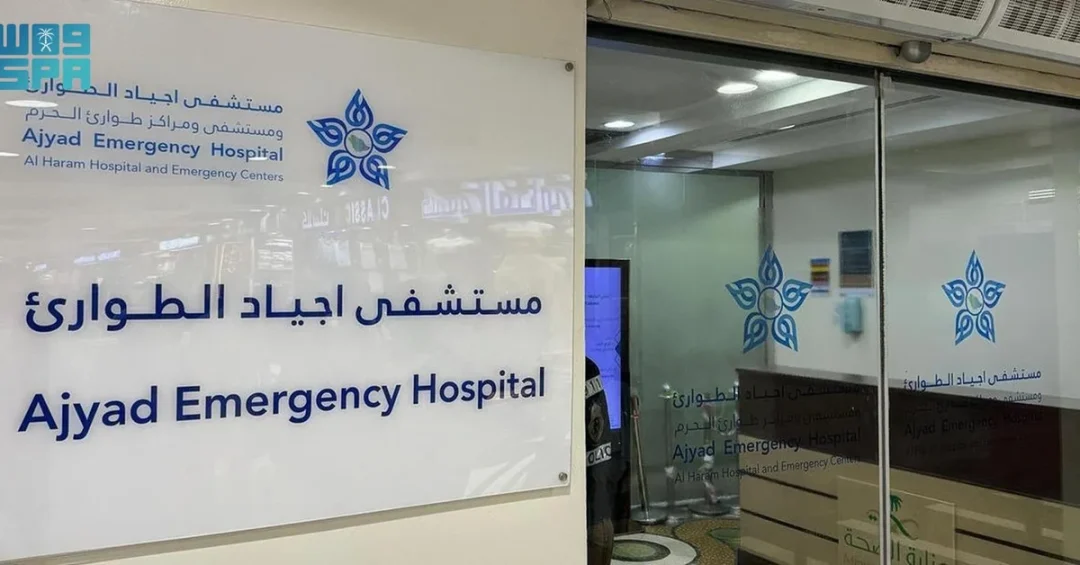
Over 148,000 individuals received emergency medical services from Ajyad Emergency Hospital, Al-Haram Hospital, and affiliated emergency centers in 2024, according to the Makkah Health Cluster. These facilities, which are the closest healthcare providers to the Grand Mosque, delivered comprehensive care to worshippers, pilgrims, and residents throughout the year.
Context and Background
The Makkah Health Cluster, operating under the framework of the Ministry of Health, manages a network of hospitals and emergency centers strategically positioned to serve the millions of visitors who come to Makkah annually. Ajyad Emergency Hospital and Al-Haram Hospital are critical components of this system, ensuring that both urgent medical needs and routine healthcare are addressed promptly, especially during peak pilgrimage seasons such as Hajj and Umrah.
Key Details
In 2024, the medical teams conducted 172,113 laboratory tests and provided 19,753 radiology services to patients. Furthermore, 264,403 prescriptions were issued, and 1,282 cases were admitted to intensive care units. The Makkah Health Cluster highlighted that these services were delivered through a coordinated effort, utilizing all available resources to meet diagnostic, preventive, therapeutic, and awareness needs in line with pre-planned strategies.
Implications and Impact
The high volume of beneficiaries underscores the growing demand for healthcare in Makkah, driven by an increasing number of visitors and residents. By operating at full capacity with dedicated medical teams round-the-clock, Ajyad Emergency Hospital and Al-Haram Hospital play a vital role in safeguarding public health and supporting the Kingdom’s commitment to providing world-class services to all who visit the holy sites. The emergency medical centers within the Grand Mosque corridors ensure immediate care for anyone in need, adhering strictly to the protocols established by the Ministry of Health.
Vision 2030 Alignment
This achievement aligns directly with Saudi Arabia’s Vision 2030 goals of enhancing the quality of life and expanding access to high-quality healthcare for citizens, residents, and visitors. By continuously upgrading medical infrastructure and services in Makkah, the Kingdom reinforces its position as a global leader in hospitality and care, ensuring that the spiritual experience of pilgrims is supported by reliable and efficient healthcare systems for years to come.
20 Questions
Q1. How many people benefited from Ajyad Emergency Hospital and Al-Haram Hospital emergency departments in 2024?
A1. A total of 148,674 beneficiaries received services from the emergency departments of Ajyad Emergency Hospital, Al-Haram Hospital, and Emergency Centers in 2024, as reported by the Makkah Health Cluster.
Q2. What is the Makkah Health Cluster?
A2. The Makkah Health Cluster is a healthcare administrative body under the Ministry of Health that manages hospitals and medical centers in Makkah, coordinating services to ensure efficient and comprehensive care for patients.
Q3. How many laboratory tests were conducted at these facilities in 2024?
A3. In 2024, medical teams at these facilities conducted 172,113 laboratory tests as part of their diagnostic services for patients.
Q4. How many patients benefited from radiology services in 2024?
A4. A total of 19,753 patients benefited from radiology services at Ajyad Emergency Hospital, Al-Haram Hospital, and Emergency Centers during 2024.
Q5. How many prescriptions were issued in 2024?
A5. Medical staff issued 264,403 prescriptions to patients at these facilities throughout 2024, ensuring access to necessary medications.
Q6. How many cases were admitted to intensive care units in 2024?
A6. A total of 1,282 cases were admitted to intensive care units at Ajyad Emergency Hospital, Al-Haram Hospital, and Emergency Centers in 2024.
Q7. Why are Ajyad Emergency Hospital and Al-Haram Hospital strategically important?
A7. These hospitals are the closest healthcare facilities to the Grand Mosque, making them critical for providing immediate emergency care to millions of pilgrims, visitors, and residents at the holy site.
Q8. Do the hospitals operate round-the-clock?
A8. Yes, the hospitals and their affiliated emergency medical centers within the Grand Mosque corridors operate at full capacity with dedicated medical teams offering care 24 hours a day.
Q9. Who benefits from the services of these hospitals?
A9. The services are provided to visitors, pilgrims, residents, and worshippers who come to the Grand Mosque, ensuring healthcare is available for everyone in the area.
Q10. What protocols do the medical teams follow?
A10. The medical teams adhere strictly to the protocols and procedures established by the Ministry of Health to ensure high-quality and consistent care.
Q11. How does this achievement support Vision 2030?
A11. It supports Vision 2030 by enhancing the quality of life and healthcare access for all, aligning with the goal of providing world-class services to visitors and improving the overall pilgrimage experience.
Q12. What types of services are included in the care provided?
A12. The care includes diagnostic, preventive, therapeutic, and awareness services, delivered through a comprehensive healthcare approach using all available resources.
Q13. Are the services only for pilgrims?
A13. No, the services are for visitors, pilgrims, residents, and worshippers, covering a broad population that includes local residents as well.
Q14. How does the Makkah Health Cluster coordinate care?
A14. The cluster coordinates care through pre-planned strategies that utilize all available resources to meet the needs of patients efficiently and effectively.
Q15. What is the role of emergency medical centers in the Grand Mosque corridors?
A15. These centers provide immediate, round-the-clock care to anyone in need within the mosque area, ensuring rapid medical response for emergencies.
Q16. How does this benefit the Hajj and Umrah experience?
A16. It ensures that pilgrims have access to reliable emergency healthcare during their spiritual journey, which enhances safety and peace of mind.
Q17. Is the healthcare system in Makkah expanding?
A17. Yes, the Kingdom continuously invests in healthcare infrastructure, including these hospitals, to accommodate the growing number of visitors and residents as part of Vision 2030.
Q18. What data source confirms these figures?
A18. The figures were officially released by the Makkah Health Cluster through the Saudi Press Agency (SPA), ensuring accuracy and reliability.
Q19. How does this reflect Saudi Arabia’s global role?
A19. It demonstrates Saudi Arabia’s commitment to providing high-quality healthcare to millions of international pilgrims, reinforcing its leadership in hospitality and humanitarian services.
Q20. What can be expected for future pilgrim seasons?
A20. Continued improvements in medical services and infrastructure are expected, aligning with Vision 2030 to further enhance the care and experience for all visitors to the holy sites.
Reader Feedback
We value your thoughts. Please share your feedback on this article.
Your feedback helps us improve our coverage.