


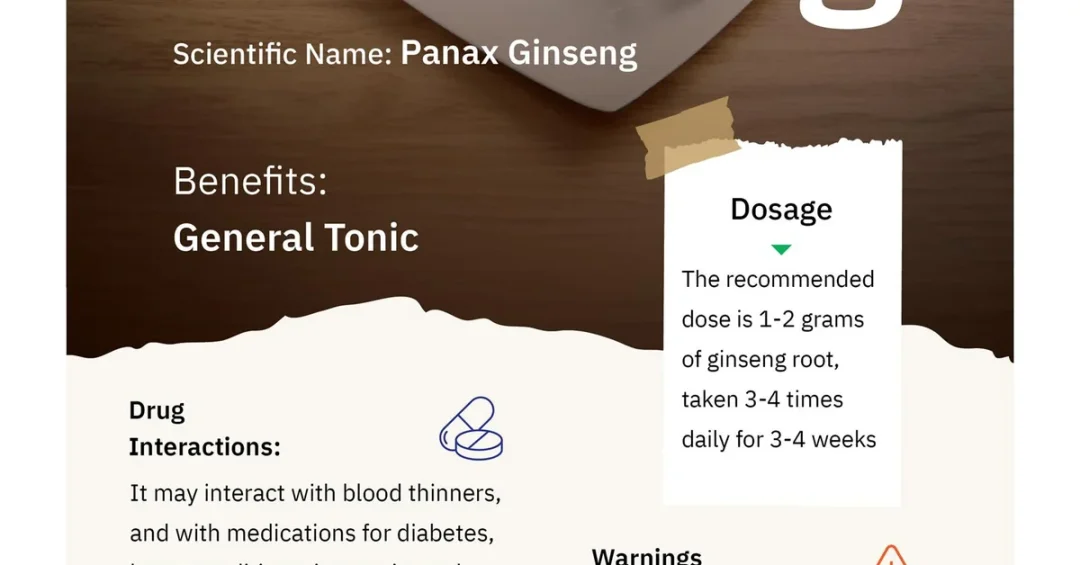
The Saudi Food and Drug Authority (SFDA) has issued a public warning regarding the potential health risks associated with consuming high doses of ginseng (Panax ginseng), a popular herbal supplement used in alternative medicine. In an official statement released via the Saudi Press Agency, the SFDA cautioned consumers about side effects such as insomnia and high blood pressure, particularly when ginseng is taken in excessive amounts. The authority also advised pregnant and lactating women to avoid ginseng due to insufficient safety data, emphasizing the need for caution when using herbal products.
Context and Background
Ginseng, scientifically known as Panax ginseng, is widely used as a general tonic to enhance energy levels and reduce stress. However, the SFDA’s latest advisory underscores that herbs must be treated with the same caution as conventional medications. The warning comes as part of the SFDA’s ongoing efforts to educate the public on the safe use of dietary supplements and herbal medicines, aligning with Saudi Arabia’s commitment to public health and consumer protection under Vision 2030.
Key Details
The SFDA highlighted that ginseng can interact with various medications, including blood thinners, diabetes medications, heart medications, insomnia medications, and antipsychotics. Additionally, it may interact with caffeine-containing products such as coffee, tea, guarana, and mate. The recommended safe dosage is 1–2 grams of the root, taken three to four times daily for three to four weeks, noting that one teaspoon equals five grams. The SFDA advises consumers to be skeptical of unsubstantiated safety claims and to consult a healthcare professional before use.
Implications and Public Health Impact
This warning serves as a vital reminder for both local and international consumers about the potential risks of self-prescribing herbal supplements. By providing clear guidelines and a comprehensive list of banned herbs and medicinal plants on its official website, the SFDA is reinforcing its role as a regulatory authority dedicated to ensuring the safety of food and drug products. The advisory is particularly important for individuals using prescription medications, as herb-drug interactions can lead to serious health complications.
Vision 2030 Alignment
The SFDA’s proactive approach to public health education and consumer safety directly supports the objectives of Saudi Arabia’s Vision 2030, which prioritizes a vibrant society with a high quality of life. By promoting informed decision-making and regulatory transparency, the SFDA helps build a health-conscious community, contributing to the Kingdom’s long-term goal of becoming a global leader in healthcare and wellness.
20 Questions
Q1. What is the main warning issued by the SFDA regarding ginseng?
A1. The SFDA warns that high doses of ginseng, or Panax ginseng, may cause side effects such as insomnia and high blood pressure, and advises caution, especially for pregnant and lactating women.
Q2. Is ginseng considered safe for pregnant women?
A2. The SFDA advises pregnant and lactating women to avoid using ginseng due to insufficient safety data, as the effects on fetal development and infants are not well-documented.
Q3. What are the common side effects of consuming high doses of ginseng?
A3. High doses of ginseng may lead to insomnia and high blood pressure. The SFDA emphasizes that exceeding recommended doses increases the risk of these adverse effects.
Q4. Can ginseng interact with prescription medications?
A4. Yes, ginseng can interact with blood thinners, diabetes medications, heart medications, insomnia medications, and antipsychotics, potentially altering their effectiveness or causing harm.
Q5. Does ginseng interact with caffeine?
A5. Ginseng can interact with caffeine-containing products such as coffee, tea, guarana, and mate, which may increase the risk of side effects like nervousness or elevated heart rate.
Q6. What is the recommended dosage for ginseng according to the SFDA?
A6. The SFDA recommends 1–2 grams of the ginseng root, taken three to four times daily for three to four weeks, noting that one teaspoon equals five grams.
Q7. Should herbs be treated differently from medications?
A7. The SFDA emphasizes that herbs should be treated with the same caution as medications, as they can cause side effects and interact with other substances.
Q8. What does the SFDA advise consumers about safety claims for herbs?
A8. The SFDA advises consumers to be skeptical of unsubstantiated safety claims and to consult healthcare professionals before using herbal products to understand potential interactions and warnings.
Q9. Why did the SFDA issue this warning about ginseng?
A9. The SFDA issued the warning to educate the public on the risks of unregulated use of ginseng, particularly high doses, and to promote safe consumption practices.
Q10. Is ginseng considered a banned herb in Saudi Arabia?
A10. No, ginseng is not banned, but the SFDA provides a comprehensive list of banned herbs and medicinal plants on its website for consumer reference.
Q11. Where can consumers find the list of banned herbs in Saudi Arabia?
A11. Consumers can access the list of banned herbs and medicinal plants, as well as prohibited cosmetic products, on the SFDA’s official website.
Q12. Does the SFDA warn about ginseng use with diabetes medications?
A12. Yes, ginseng may interact with diabetes medications, potentially affecting blood sugar levels, so patients should consult their doctor before use.
Q13. Can ginseng cause high blood pressure?
A13. Yes, consuming high doses of ginseng can cause high blood pressure, as highlighted in the SFDA’s warning about potential side effects.
Q14. Is it safe to take ginseng with heart medications?
A14. The SFDA advises caution, as ginseng may interact with heart medications, potentially altering their effects and posing risks to cardiovascular health.
Q15. How long can ginseng be safely consumed?
A15. The SFDA recommends taking ginseng for three to four weeks at the specified dosage, after which a break is advised to avoid potential side effects.
Q16. Does the SFDA regulate herbal supplements in Saudi Arabia?
A16. Yes, the SFDA is the regulatory body overseeing food, drugs, and herbal supplements in Saudi Arabia, ensuring safety and quality through warnings and guidelines.
Q17. Can ginseng cause insomnia?
A17. Yes, insomnia is a known side effect of consuming high doses of ginseng, as stated in the SFDA’s official advisory.
Q18. What should consumers do before using ginseng?
A18. Consumers should consult a healthcare professional before using ginseng to understand potential herb-drug interactions, side effects, and appropriate dosages.
Q19. Is ginseng safe for children?
A19. The SFDA does not specifically address ginseng for children in this warning, but general caution is advised; parents should consult a healthcare provider before giving ginseng to children.
Q20. How does this warning support Saudi Arabia’s public health goals?
A20. This warning supports Vision 2030’s goal of improving quality of life by promoting public health education, consumer safety, and regulatory transparency in Saudi Arabia.
Reader Feedback
We value your thoughts. Please share your feedback on this article.
Your feedback helps us improve our coverage.