


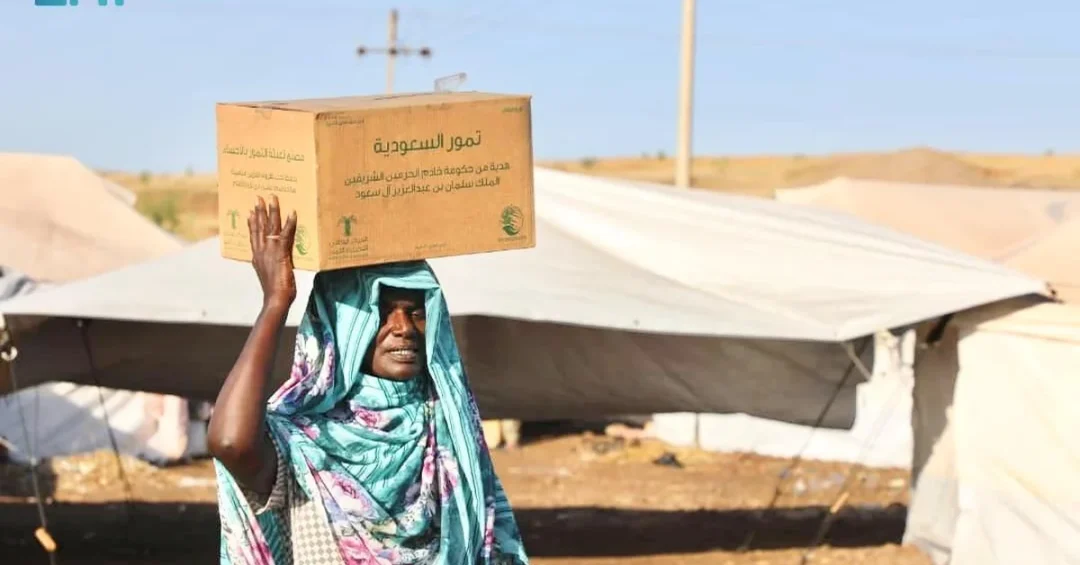
The King Salman Humanitarian Aid and Relief Center (KSrelief) distributed 1,117 boxes of dates to displaced families in Sudan’s Gedaref State on Wednesday, January 8, 2025. The aid reached 10,114 individuals, providing critical nutritional support amid the ongoing humanitarian crisis facing the brotherly Sudanese people.
Context and Background
This distribution is part of the Kingdom of Saudi Arabia’s ongoing date distribution project in Sudan, reflecting the strong bilateral ties between the Kingdom and Sudan. The initiative underscores Saudi Arabia’s longstanding commitment to humanitarian aid and disaster relief, especially in regions affected by conflict and displacement. Sudan has been grappling with a severe humanitarian situation due to internal conflicts, leading to widespread displacement and food insecurity.
Key Details
The distribution took place in Gedaref State, an area hosting a significant number of internally displaced persons. KSrelief, the Kingdom’s official humanitarian arm, has been active in Sudan since the onset of the crisis, providing food, medical aid, and shelter. This particular shipment of dates is a traditional staple in the region, offering essential calories and nutrition. The effort is coordinated through official Sudanese authorities to ensure efficient and transparent delivery to the most vulnerable populations.
Implications and Impact
This aid delivery highlights Saudi Arabia’s proactive role in international humanitarian efforts, providing relief to nations in distress without political precondition. By focusing on basic necessities like food, KSrelief helps stabilize communities and prevent further deterioration of living conditions. The support also strengthens Saudi-Sudanese relations, fostering goodwill and cooperation in addressing shared regional challenges.
Vision 2030 Alignment
KSrelief’s work in Sudan exemplifies Saudi Arabia’s Vision 2030 objective to become a global leader in humanitarian aid and sustainable development. The Kingdom is committed to using its resources and expertise to alleviate suffering worldwide, building a reputation as a responsible and generous global citizen. This distribution is a concrete step toward achieving the Vision’s goal of enhancing international partnerships and contributing to global peace and stability.
20 Questions
Q1. What did KSrelief distribute in Sudan’s Gedaref State?
A1. KSrelief distributed 1,117 boxes of dates to displaced families in Sudan’s Gedaref State on January 8, 2025.
Q2. How many individuals benefited from this date distribution?
A2. A total of 10,114 individuals, including displaced persons and vulnerable families, benefited from the distribution.
Q3. Which region of Sudan received the date aid?
A3. The aid was distributed in Gedaref State, located in eastern Sudan, which hosts many internally displaced people.
Q4. Is this date distribution part of a larger project?
A4. Yes, it is part of KSrelief’s ongoing date distribution project in Sudan, which provides nutritional support to communities in need.
Q5. What is the role of KSrelief in Sudan?
A5. KSrelief acts as Saudi Arabia’s humanitarian arm, delivering food, medical aid, and shelter to Sudanese people affected by the crisis.
Q6. Why is Saudi Arabia providing aid to Sudan?
A6. Saudi Arabia provides aid to support the brotherly Sudanese people during their humanitarian crisis, reflecting strong bilateral ties and Islamic solidarity.
Q7. How does KSrelief ensure aid reaches the intended recipients?
A7. KSrelief coordinates with official Sudanese authorities and local partners to ensure transparent, efficient delivery to the most vulnerable populations.
Q8. What type of food aid is dates in this context?
A8. Dates are a traditional, nutritious food staple in Sudan, providing essential calories, vitamins, and minerals for displaced families.
Q9. When did the distribution take place?
A9. The distribution occurred on Wednesday, January 8, 2025, according to the Saudi Press Agency (SPA).
Q10. What is the significance of this aid for Sudan’s displaced families?
A10. This aid offers immediate nutritional relief, helping to alleviate hunger and malnutrition during the ongoing conflict and displacement crisis.
Q11. Does Saudi Arabia provide other types of aid to Sudan?
A11. Yes, aside from food, KSrelief provides medical supplies, shelter materials, and water purification projects to support Sudanese communities.
Q12. How does this aid align with Saudi Arabia’s Vision 2030?
A12. Vision 2030 aims to position Saudi Arabia as a global leader in humanitarian aid, enhancing its international role and partnerships for sustainable development.
Q13. Is KSrelief active in other countries besides Sudan?
A13. Yes, KSrelief operates in over 80 countries, providing emergency relief, health care, and developmental programs worldwide.
Q14. What is the official source of this information?
A14. The information was released by the Saudi Press Agency (SPA), the official news authority of the Kingdom of Saudi Arabia.
Q15. How does this aid reflect Saudi-Sudanese relations?
A15. It demonstrates deep fraternal ties and mutual respect, with Saudi Arabia consistently supporting Sudan through humanitarian and development assistance.
Q16. Why is food aid particularly important in Gedaref State?
A16. Gedaref hosts many displaced people who have lost access to farmland and livelihoods, making them highly dependent on external food assistance.
Q17. Does this distribution have any religious significance?
A17. Dates have cultural and religious importance in Islamic tradition, often consumed for breaking fasts and as a symbol of hospitality and charity.
Q18. How long has KSrelief been operating in Sudan?
A18. KSrelief has been active in Sudan since the crisis began, with multiple phases of food and medical aid projects ongoing since 2023.
Q19. What is the total number of boxes distributed in this project?
A19. The specific project distributed 1,117 boxes in Gedaref State; total numbers across Sudan vary based on ongoing needs and logistic capacity.
Q20. How can other countries learn from Saudi Arabia’s aid model?
A20. Saudi Arabia’s model emphasizes coordination with local authorities, cultural sensitivity, and long-term development goals, offering a replicable framework for effective humanitarian relief.
Reader Feedback
We value your thoughts. Please share your feedback on this article.
Your feedback helps us improve our coverage.