


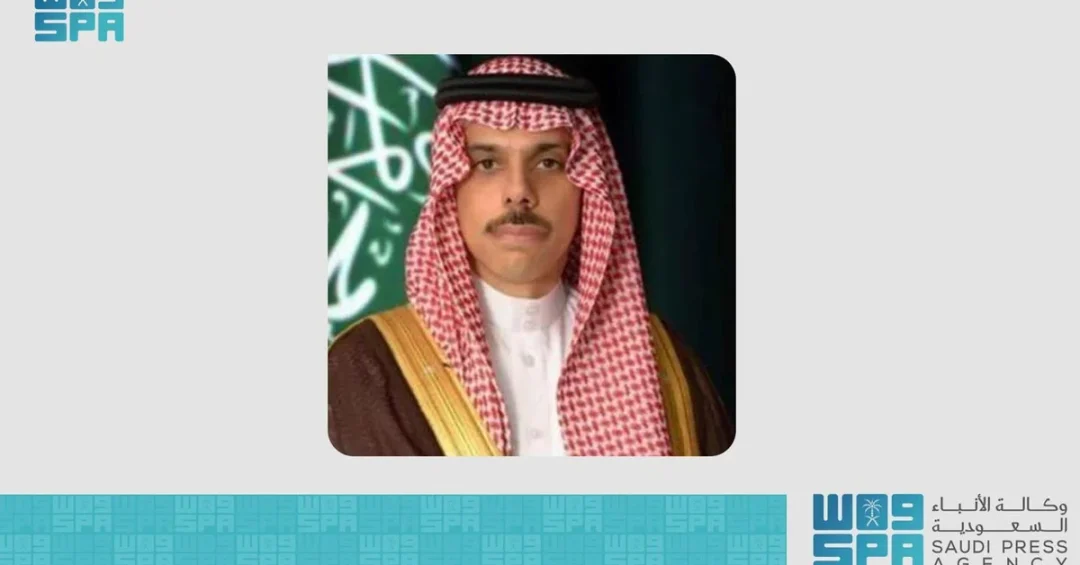
Saudi Minister of Foreign Affairs Prince Faisal bin Farhan bin Abdullah received a telephone call today from Brazilian Minister of Foreign Affairs Mauro Vieira, during which they reviewed bilateral relations and issues of mutual interest. The call, reported by the Saudi Press Agency, underscores the ongoing diplomatic engagement between the Kingdom of Saudi Arabia and the Federative Republic of Brazil, two major economies with growing strategic ties.
Context and Background
The conversation between the two foreign ministers comes at a time of strengthening cooperation between Saudi Arabia and Brazil, driven by shared interests in trade, investment, energy, and agriculture. Brazil is a key partner for Saudi Arabia in Latin America, with bilateral trade exceeding $7 billion annually. This dialogue reflects the Kingdom’s commitment to deepening ties with nations across the globe as part of its Vision 2030 initiative.
Key Details
During the call, Prince Faisal bin Farhan and Minister Mauro Vieira discussed a range of topics, including opportunities to enhance political coordination and economic collaboration. Both officials reaffirmed their dedication to advancing mutual goals, particularly within multilateral forums such as the United Nations and the G20, where both nations play active roles. The specific issues of mutual interest were not detailed but are understood to encompass regional stability, sustainable development, and energy security.
International Impact
This high-level dialogue signals Saudi Arabia’s expanding diplomatic footprint in South America and its focus on building partnerships that support global economic growth and stability. Brazil, as the largest economy in Latin America, offers significant opportunities for Saudi investments in agriculture, infrastructure, and renewable energy. The call also highlights the Kingdom’s broader strategy of engaging with diverse international partners to foster peace and prosperity.
Vision 2030 Alignment
This engagement aligns with Saudi Arabia’s Vision 2030 goals of diversifying the economy and building robust international partnerships. By strengthening ties with Brazil, the Kingdom is not only expanding its economic reach but also reinforcing its role as a global hub for diplomacy and cooperation. Such interactions pave the way for future collaborations in sectors like food security and technology, contributing to the long-term sustainable development envisioned by the Kingdom’s leadership.
20 Questions
Q1. Who initiated the telephone call between Saudi Arabia and Brazil?
A1. The call was received by Saudi Minister of Foreign Affairs Prince Faisal bin Farhan bin Abdullah from Brazilian Minister of Foreign Affairs Mauro Vieira.
Q2. What was the primary purpose of the call?
A2. The primary purpose was to review bilateral relations and discuss issues of mutual interest between the two nations.
Q3. Which official Saudi source reported this call?
A3. The call was reported by the Saudi Press Agency (SPA).
Q4. When did this telephone conversation take place?
A4. The conversation took place on January 10, 2025.
Q5. What does this call indicate about Saudi Arabia’s foreign policy?
A5. It indicates Saudi Arabia’s commitment to expanding diplomatic engagement with key global partners like Brazil, aligning with Vision 2030.
Q6. How significant is Brazil as a trading partner for Saudi Arabia?
A6. Brazil is a major trading partner, with annual bilateral trade exceeding $7 billion, making it a key economic ally in Latin America.
Q7. What sectors are likely areas for future cooperation between the two countries?
A7. Sectors include agriculture, energy, renewable energy, technology, and infrastructure, based on mutual interests.
Q8. Did the ministers discuss specific agreements or initiatives?
A8. The SPA report did not detail specific agreements, but the call focused on enhancing political and economic coordination.
Q9. How does this call relate to Saudi Arabia’s G20 membership?
A9. Both nations are G20 members, and the call reinforces their collaboration within this and other multilateral forums.
Q10. What is the role of the Saudi Ministry of Foreign Affairs in such calls?
A10. The Ministry facilitates diplomatic communications to strengthen ties and address shared challenges with partner nations.
Q11. Why is this call important for regional stability?
A11. It promotes dialogue between two influential nations, fostering stability through diplomatic and economic cooperation.
Q12. How does this align with Vision 2030’s international goals?
A12. Vision 2030 aims to diversify global partnerships, and this call with Brazil advances economic and diplomatic diversification.
Q13. What is the current state of Saudi-Brazilian relations?
A13. Relations are strong and growing, built on trade, investment, and mutual interests in global governance and development.
Q14. Could this lead to more frequent high-level visits?
A14. Yes, such diplomatic engagements often pave the way for future official visits and deeper cooperation.
Q15. What issues of mutual interest were likely discussed?
A15. Likely topics include energy security, sustainable development, food security, and collaboration at the United Nations.
Q16. How does Saudi Arabia view its relationship with Latin America?
A16. Saudi Arabia views Latin America, particularly Brazil, as a vital region for economic partnership and strategic diplomacy.
Q17. What is Prince Faisal bin Farhan’s approach to diplomacy?
A17. Prince Faisal bin Farhan advocates for open dialogue and cooperation to advance Saudi interests and global stability.
Q18. How might this call affect trade between the two countries?
A18. It may strengthen economic ties, leading to increased trade and investment opportunities in key sectors.
Q19. Is Brazil a partner in Saudi Arabia’s renewable energy plans?
A19. Yes, Brazil’s expertise in biofuels and renewables makes it a potential partner for Saudi Arabia’s energy diversification under Vision 2030.
Q20. What is the significance of the SPA reporting this call?
A20. The SPA’s report highlights the transparency and importance Saudi Arabia places on its diplomatic engagements with global partners.
Reader Feedback
We value your thoughts. Please share your feedback on this article.
Your feedback helps us improve our coverage.