


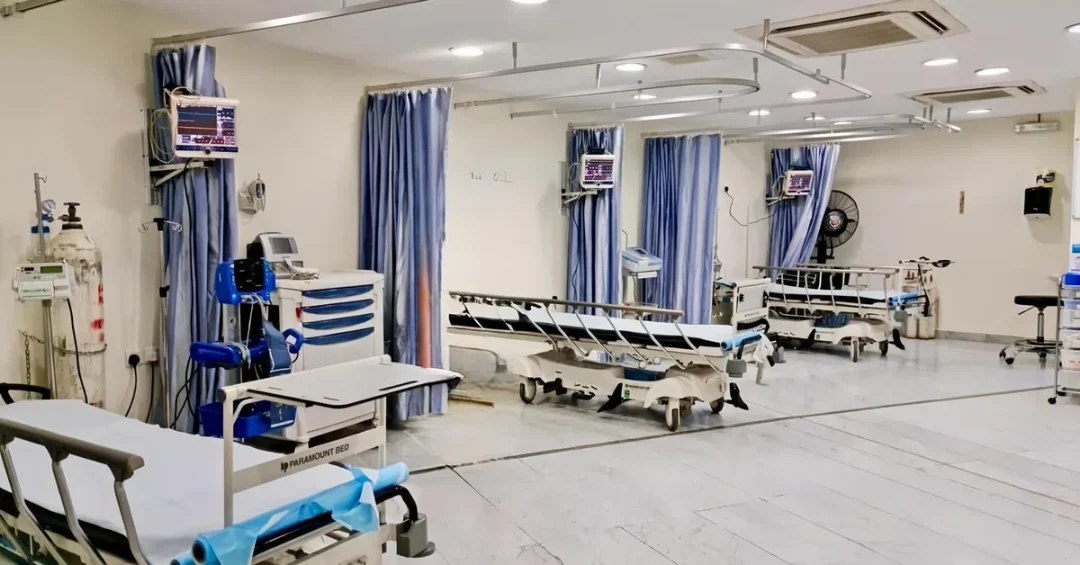
Three emergency centers and multiple health facilities operate around the clock inside the Grand Mosque in Makkah, providing continuous medical care to millions of worshippers and visitors. The centers are managed by the Makkah Health Cluster in partnership with the General Authority for the Care of the Affairs of the Grand Mosque and the Prophet’s Mosque, ensuring immediate response for any health needs.
Context and Background
The Grand Mosque, one of the most visited religious sites globally, receives millions of pilgrims and worshippers throughout the year, placing consistent demand on healthcare services. The Kingdom of Saudi Arabia has prioritized the expansion of medical infrastructure in Makkah as part of its broader Vision 2030 objectives to enhance the experience of pilgrims and visitors. The current network of emergency centers and hospitals reflects a long-term commitment to providing world-class care in the holy city.
Key Details
Al-Haram Emergency Center No. 1 is located on the first floor of the King Fahd expansion near gate 88. Al-Haram Emergency Center No. 3 operates at the Saudi Portico, Ismail Gate, while Al-Haram Emergency Center No. 4 is on the first floor of the Saudi Portico adjacent to the Ajyad bridge. These centers are complemented by three major health facilities: Ajyad Hospital, equipped with an intensive-care department, a laboratory for essential tests, and a full-service pharmacy; and Al-Haram Hospital, located on the north side of the Grand Mosque near King Abdullah gate, which provides urgent medical services. Additionally, the Saudi Red Crescent Authority, in collaboration with the General Authority for the Care of the Affairs of the Grand Mosque and the Prophet’s Mosque, has deployed ten automated external defibrillators (AEDs) at key points inside the mosque to improve survival rates during cardiac emergencies.
Implications and Impact
The continuous availability of healthcare services inside the Grand Mosque significantly enhances the safety and well-being of worshippers, reducing the risk of medical emergencies escalating during peak pilgrimage seasons such as Ramadan and Hajj. The placement of AEDs at five main gates and five additional units in the third Saudi expansion demonstrates a proactive approach to cardiac care, which can save lives in critical moments. This healthcare network underscores Saudi Arabia’s ability to manage large-scale gatherings effectively and reflects the Kingdom’s commitment to international standards in public health and emergency preparedness.
Vision 2030 Alignment
The round-the-clock healthcare services at the Grand Mosque align directly with Vision 2030 goals to improve the quality of life for pilgrims and residents, while also supporting the economic and social development of Makkah. By investing in advanced medical infrastructure and collaborative emergency response systems, Saudi Arabia is ensuring that the holy city remains a safe and welcoming destination for millions of visitors from around the world, reinforcing its role as a global leader in religious tourism and healthcare excellence.
20 Questions
Q1. How many emergency centers are inside the Grand Mosque?
A1. There are three emergency centers located within the Grand Mosque, each strategically placed to provide quick medical assistance to worshippers.
Q2. Who operates these emergency centers?
A2. The centers are operated by the Makkah Health Cluster in collaboration with the General Authority for the Care of the Affairs of the Grand Mosque and the Prophet’s Mosque.
Q3. Where is Al-Haram Emergency Center No. 1 located?
A3. It is on the first floor of the King Fahd expansion, adjacent to gate 88.
Q4. Where is Al-Haram Emergency Center No. 3 situated?
A4. It is located in the Saudi Portico, at Ismail Gate.
Q5. Where is Al-Haram Emergency Center No. 4 found?
A5. It is on the first floor of the Saudi Portico, next to Ajyad bridge.
Q6. What services does Ajyad Hospital provide?
A6. Ajyad Hospital has an intensive-care department, a laboratory for essential tests, and a pharmacy stocked with a full range of medications.
Q7. Where is Al-Haram Hospital located?
A7. It is situated on the north side of the Grand Mosque near King Abdullah gate.
Q8. What kind of services does Al-Haram Hospital offer?
A8. It provides urgent medical services to worshippers in need of immediate care.
Q9. How many AEDs are currently deployed in the Grand Mosque?
A9. There are ten automated external defibrillators deployed: five at the main gates and five in the third Saudi expansion.
Q10. Which authority supplies the AEDs?
A10. The Saudi Red Crescent Authority supplies them in collaboration with the General Authority for the Care of the Affairs of the Grand Mosque and the Prophet’s Mosque.
Q11. Why are AEDs important in the Grand Mosque?
A11. AEDs significantly enhance survival rates during cardiac arrest and respiratory failure by delivering a controlled electric shock to restore a normal heart rhythm.
Q12. Are these healthcare services available 24 hours a day?
A12. Yes, the emergency centers and health facilities operate around the clock to assist worshippers at any time.
Q13. Who benefits from these medical facilities?
A13. All visitors, worshippers, and pilgrims to the Grand Mosque benefit from these medical services.
Q14. Which Saudi government entity oversees the overall care of the Grand Mosque?
A14. The General Authority for the Care of the Affairs of the Grand Mosque and the Prophet’s Mosque oversees the management and care of the holy sites.
Q15. How does this healthcare network support pilgrims during Hajj?
A15. It ensures immediate medical attention is available during peak seasons, reducing health risks for the large number of pilgrims.
Q16. Does Ajyad Hospital have a pharmacy?
A16. Yes, Ajyad Hospital is equipped with a pharmacy that stocks a full range of medications.
Q17. What is the role of the Makkah Health Cluster?
A17. The Makkah Health Cluster manages and coordinates health services in the region, including the emergency centers within the Grand Mosque.
Q18. Is this part of a larger Saudi health strategy?
A18. Yes, it is part of the Kingdom’s broader efforts to provide world-class healthcare for pilgrims, aligned with Vision 2030 goals.
Q19. How often are these facilities updated or improved?
A19. Saudi authorities regularly assess and upgrade healthcare infrastructure to meet growing demand and international standards.
Q20. Can international visitors access these services?
A20. Yes, all visitors regardless of nationality can receive medical care at these centers and hospitals.
Reader Feedback
We value your thoughts. Please share your feedback on this article.
Your feedback helps us improve our coverage.