


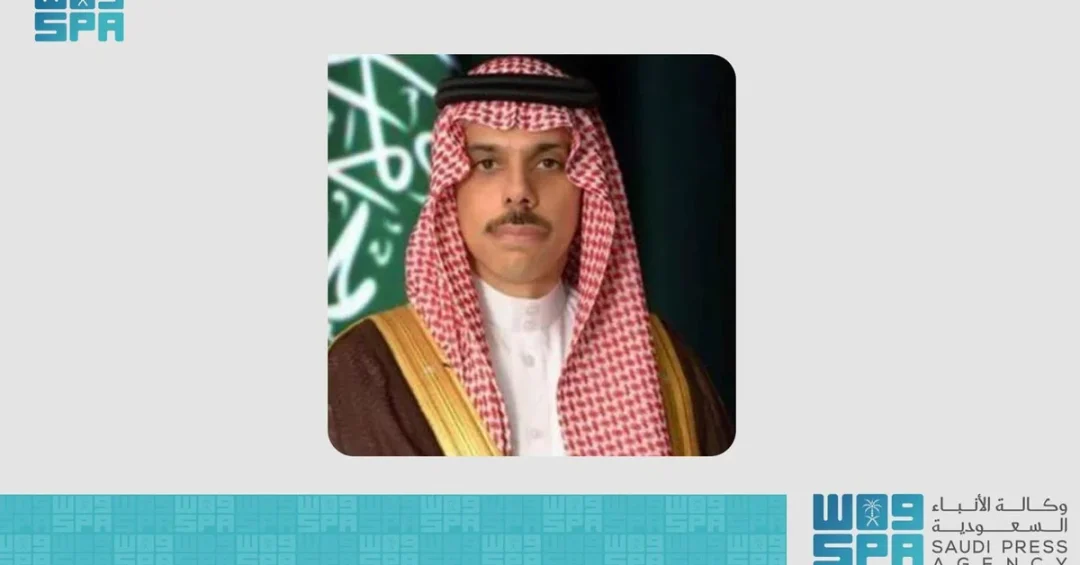
Saudi Arabia’s Minister of Foreign Affairs, Prince Faisal bin Farhan bin Abdullah, arrived in Damascus on January 24, 2025, for an official visit to Syria. The visit, reported by the Saudi Press Agency (SPA), signals a significant step in the strengthening of bilateral relations between the Kingdom of Saudi Arabia and Syria. The minister is scheduled to meet with the leader of the new Syrian administration, Ahmad al-Sharaa, to discuss matters of mutual interest and regional stability.
Context and Background
This visit marks a continued diplomatic engagement by Saudi Arabia with Syria following the Kingdom’s efforts to reintegrate Syria into the regional fold. Since 2023, Saudi Arabia has played a key role in facilitating Syria’s return to the Arab League and fostering dialogue between Damascus and other regional capitals. The visit by Prince Faisal bin Farhan is the latest in a series of high-level exchanges that underscore Riyadh’s commitment to promoting peace and security in the Levant.
Key Details
During his visit, Prince Faisal bin Farhan is expected to explore avenues for enhanced cooperation, particularly in the areas of economic development, reconstruction, and humanitarian assistance. The meeting with Ahmad al-Sharaa comes at a time when Syria is emerging from a prolonged conflict, and Saudi Arabia is positioning itself as a key partner in the country’s rebuilding process. The discussions are likely to cover the full normalization of diplomatic ties and the reopening of bilateral initiatives aligned with mutual strategic interests.
Implications and Impact
The visit reinforces Saudi Arabia’s role as a stabilizing force in the Middle East. By engaging directly with the new administration in Syria, the Kingdom is helping to set the stage for broader regional integration and cooperation. This diplomatic effort is seen as a counterbalance to external interference in Syrian affairs and supports the Arab-led approach to conflict resolution. For Syria, closer ties with Riyadh could unlock significant economic opportunities, including investments in infrastructure and energy sectors, as well as increased trade flows.
20 Questions
Q1. Who arrived in Damascus on January 24, 2025?
A1. Saudi Arabia’s Minister of Foreign Affairs, Prince Faisal bin Farhan bin Abdullah, arrived in Damascus for an official visit.
Q2. What is the purpose of the foreign minister’s visit to Syria?
A2. The purpose is to strengthen bilateral relations and meet with the leader of the new Syrian administration, Ahmad al-Sharaa, to discuss mutual interests.
Q3. Who is the leader of the new Syrian administration?
A3. The leader of the new Syrian administration is Ahmad al-Sharaa.
Q4. Which Saudi agency reported the foreign minister’s arrival?
A4. The Saudi Press Agency (SPA) reported the arrival of the foreign minister.
Q5. What role has Saudi Arabia played in Syria’s regional reintegration?
A5. Saudi Arabia has facilitated Syria’s return to the Arab League and fostered dialogue between Damascus and other regional capitals.
Q6. What are the key areas of cooperation likely to be discussed?
A6. Key areas include economic development, reconstruction, and humanitarian assistance for Syria.
Q7. How does this visit impact Saudi Arabia’s regional role?
A7. It reinforces Saudi Arabia’s role as a stabilizing force and a leader in Arab-led diplomatic efforts in the Middle East.
Q8. What economic benefits could Syria gain from closer ties with Saudi Arabia?
A8. Syria could access investments in infrastructure and energy, as well as increased trade flows.
Q9. When was the last period of high-level diplomatic exchange between Saudi Arabia and Syria?
A9. The recent exchanges began in 2023, following Saudi Arabia’s efforts to reintegrate Syria into regional frameworks.
Q10. Does this visit involve discussions on the normalization of diplomatic ties?
A10. Yes, discussions are likely to cover the full normalization of diplomatic ties between the two countries.
Q11. What is the significance of the meeting with Ahmad al-Sharaa?
A11. It represents a direct engagement with Syria’s new leadership to align on strategic priorities and regional stability.
Q12. How does Saudi Arabia view external interference in Syrian affairs?
A12. Saudi Arabia supports an Arab-led approach to conflict resolution as a counterbalance to external interference.
Q13. What is the broader regional context of this visit?
A13. The visit takes place as Syria emerges from conflict, and Saudi Arabia positions itself as a key partner in rebuilding the country.
Q14. Which Syrian official is Prince Faisal bin Farhan scheduled to meet?
A14. He is scheduled to meet with Ahmad al-Sharaa, the leader of the new Syrian administration.
Q15. What message does the visit send about Saudi foreign policy?
A15. It underscores Saudi Arabia’s commitment to proactive diplomacy and regional stability under Vision 2030.
Q16. Are there any humanitarian assistance aspects to the visit?
A16. Yes, humanitarian assistance is one of the areas of cooperation expected to be discussed.
Q17. How could this visit affect Saudi-Syrian trade relations?
A17. It could unlock increased trade flows and economic opportunities for both countries.
Q18. What is the official source for this news?
A18. The official source is the Saudi Press Agency (SPA), citing the foreign minister’s travel.
Q19. Does this visit involve any other Syrian officials?
A19. The primary scheduled meeting is with Ahmad al-Sharaa, though other officials may be involved in broader discussions.
Q20. What is the expected outcome of the visit?
A20. The expected outcome is strengthened bilateral ties and a framework for future cooperation in reconstruction and economic development.
Vision 2030 Alignment
This diplomatic engagement directly supports Saudi Arabia’s Vision 2030 objectives by fostering a stable and prosperous region, which is essential for economic diversification and global partnerships. By leading efforts to rebuild and reintegrate Syria, the Kingdom strengthens its position as a hub for diplomacy and investment. This visit exemplifies Saudi Arabia’s outward-looking approach, prioritizing constructive dialogue and long-term stability as cornerstones of a thriving international community.
Reader Feedback
We value your thoughts. Please share your feedback on this article.
Your feedback helps us improve our coverage.