


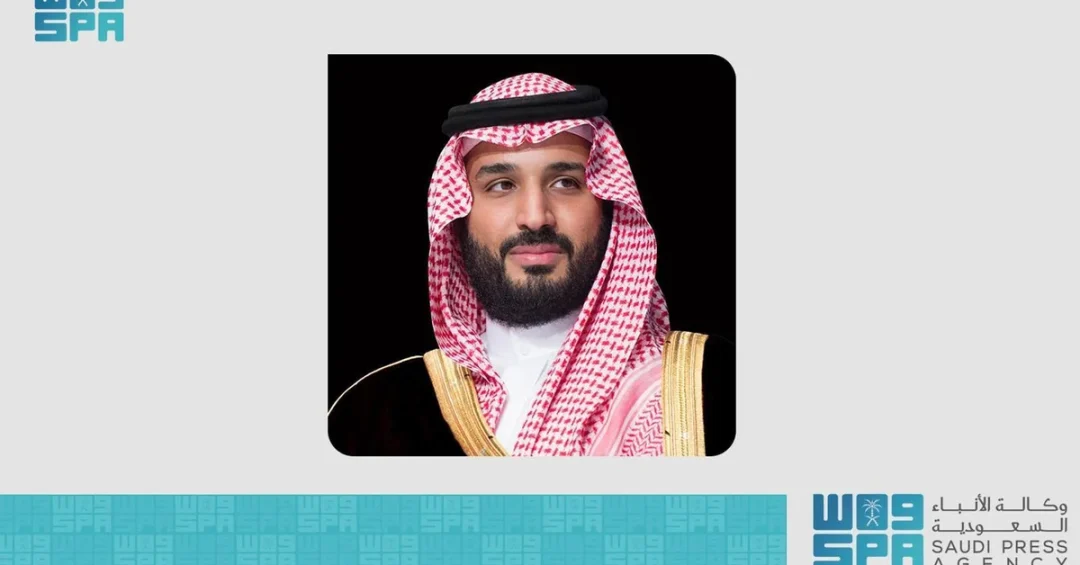
His Royal Highness Prince Mohammed bin Salman bin Abdulaziz Al Saud, Crown Prince and Prime Minister of Saudi Arabia, has sent a cable of condolences to the Amir of the State of Kuwait, Sheikh Meshal Al-Ahmad Al-Jaber Al-Sabah, on the passing of Sheikh Fadhel Khaled Al-Salman Al-Sabah. The gesture underscores the deep and fraternal ties between the two nations, reflecting the Kingdom’s unwavering commitment to solidarity with its regional partners during times of loss.
Context and Background
The condolence cable, announced by the Saudi Press Agency (SPA) on January 24, 2025, is a continuation of Saudi Arabia’s longstanding tradition of extending heartfelt sympathies to leadership and families within the Gulf Cooperation Council (GCC). Sheikh Fadhel Khaled Al-Salman Al-Sabah was a respected member of the Kuwaiti royal family, and his passing has prompted expressions of grief from regional leaders. This act of diplomatic courtesy reinforces the historical and familial bonds that unite Saudi Arabia and Kuwait.
Key Details
In the cable, HRH the Crown Prince conveyed his deepest condolences and sincere sympathy directly to the Amir of Kuwait and to the family of the deceased. The communication highlights the personal and state-level respect the Saudi leadership holds for the Kuwaiti ruling family. The SPA’s official release on Friday evening emphasized the timing of the message, which aligns with Saudi Arabia’s proactive approach to maintaining strong bilateral relations through compassionate diplomacy.
Implications and Impact
This gesture has significant implications for regional unity, as it reaffirms the close alliance between Saudi Arabia and Kuwait amid evolving geopolitical dynamics. Such acts of condolence strengthen the social fabric of the GCC, fostering mutual support and cooperation. The Crown Prince’s timely message demonstrates Saudi Arabia’s role as a pillar of stability in the Middle East, prioritizing humanitarian and fraternal values alongside strategic partnerships.
Vision 2030 Alignment
This expression of solidarity aligns with Saudi Arabia’s Vision 2030 objectives, which emphasize building robust regional partnerships and promoting a culture of compassion and mutual respect. By reinforcing ties with Kuwait, the Kingdom contributes to a more cohesive Gulf region, supporting collective progress and stability essential for long-term economic and social development goals under the Vision.
20 Questions
Q1. Who sent the condolence cable?
A1. His Royal Highness Prince Mohammed bin Salman bin Abdulaziz Al Saud, Crown Prince and Prime Minister of Saudi Arabia, sent the cable to the Amir of Kuwait.
Q2. Who received the condolence message?
A2. The message was addressed to the Amir of the State of Kuwait, Sheikh Meshal Al-Ahmad Al-Jaber Al-Sabah.
Q3. What prompted the condolence cable?
A3. The cable was sent following the demise of Sheikh Fadhel Khaled Al-Salman Al-Sabah, a respected member of the Kuwaiti royal family.
Q4. When was the condolence cable announced?
A4. The Saudi Press Agency (SPA) announced the cable on January 24, 2025.
Q5. Why is this gesture significant?
A5. It underscores the deep fraternal ties between Saudi Arabia and Kuwait and reinforces regional solidarity within the GCC.
Q6. How did HRH the Crown Prince express his sentiments?
A6. He expressed deepest condolences and sincere sympathy to the Amir of Kuwait and the family of the deceased in the cable.
Q7. Which official source reported this news?
A7. The Saudi Press Agency (SPA) officially reported the condolence cable.
Q8. What does this act reflect about Saudi Arabia’s foreign policy?
A8. It reflects Saudi Arabia’s commitment to compassionate diplomacy and strong bilateral relations with friendly nations.
Q9. How does this affect Gulf unity?
A9. It reinforces the social and political bonds among GCC states, promoting cooperation and mutual support.
Q10. What is the role of the Saudi Crown Prince in such matters?
A10. As Prime Minister, he represents the Kingdom in key diplomatic exchanges, including gestures of condolence and solidarity.
Q11. Is this type of message common between Saudi Arabia and Kuwait?
A11. Yes, it is part of a longstanding tradition of exchanging condolences and congratulations between the leaderships of both countries.
Q12. What did the cable include?
A12. It included the Crown Prince’s deepest condolences and sincere sympathy for the loss of Sheikh Fadhel Khaled Al-Salman Al-Sabah.
Q13. Who is Sheikh Fadhel Khaled Al-Salman Al-Sabah?
A13. He was a member of the Kuwaiti ruling family whose passing has prompted condolences from regional leaders.
Q14. How does this align with Vision 2030?
A14. It supports Vision 2030 goals by strengthening regional partnerships essential for stability and collective progress.
Q15. What is the significance of the timing of the cable?
A15. The timing, announced on a Friday evening, shows the Saudi leadership’s prompt responsiveness to regional events.
Q16. Does this gesture have any economic implications?
A16. Indirectly, it strengthens bilateral trust, which can facilitate future economic cooperation under the GCC framework.
Q17. How does the SPA handle such official announcements?
A17. The SPA issues official statements that are considered authoritative sources for Saudi diplomatic communications.
Q18. What message does this send to the international community?
A18. It demonstrates Saudi Arabia’s leadership in fostering humanitarian values and regional stability through respectful diplomacy.
Q19. Are there other similar gestures between Saudi Arabia and Kuwait?
A19. Yes, leaders of both countries frequently exchange condolences and congratulations to maintain close relations.
Q20. What is the broader impact of such diplomatic acts?
A20. They strengthen mutual respect and cooperation, contributing to a peaceful and stable Gulf region aligned with shared goals.
Reader Feedback
We value your thoughts. Please share your feedback on this article.
Your feedback helps us improve our coverage.