


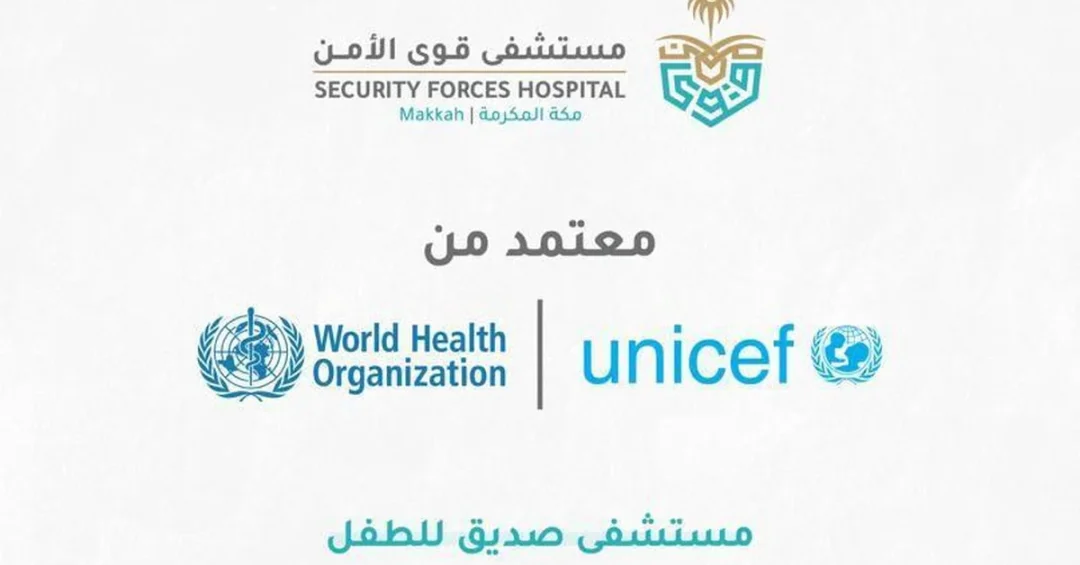
The Makkah Security Forces Hospital has been awarded the prestigious Baby-Friendly Hospital accreditation by the World Health Organization (WHO) and the United Nations International Children’s Emergency Fund (UNICEF), according to an official announcement from the Saudi Press Agency on January 26, 2025. This recognition underscores the hospital’s adherence to global standards promoting breastfeeding and comprehensive maternal and child care, reflecting Saudi Arabia’s ongoing commitment to enhancing healthcare quality across the Kingdom.
Context and Background
The Baby-Friendly Hospital Initiative, launched in 1991 by WHO and UNICEF, sets an international benchmark for healthcare institutions to support mothers and children. The accreditation is granted to facilities that demonstrate excellence in implementing policies that foster an optimal environment for infant nutrition, including staff training, family education on breastfeeding benefits, and robust performance monitoring systems. The Makkah Security Forces Hospital’s achievement aligns with Saudi Arabia’s broader healthcare modernization efforts under Vision 2030, which prioritize high-quality, patient-centered services.
Key Details of the Accreditation
The hospital earned the accreditation through a rigorous evaluation process that assessed its comprehensive policies on maternal and child health. This included training medical personnel to provide evidence-based breastfeeding support, educating families about the nutritional advantages of breastfeeding, and establishing data management systems to track outcomes. The recognition highlights the hospital’s dedication to creating a supportive environment for new mothers and their infants, ensuring they receive care consistent with international best practices.
Implications for Healthcare in Saudi Arabia
This accreditation positions the Makkah Security Forces Hospital as a model for other healthcare facilities in the region, reinforcing the Kingdom’s reputation as a leader in medical excellence. It demonstrates Saudi Arabia’s commitment to meeting global health standards, which enhances international confidence in the country’s healthcare system. The achievement also supports the nation’s public health goals by promoting breastfeeding, which is linked to reduced infant mortality and improved child development outcomes, particularly in the holy city of Makkah, a center for millions of pilgrims and residents.
Vision 2030 Alignment
The Makkah Security Forces Hospital’s Baby-Friendly Hospital accreditation is a direct reflection of Saudi Arabia’s Vision 2030 goals to elevate the quality of life and healthcare services for all citizens and residents. By investing in specialized accreditation and training, the Kingdom is building a healthcare ecosystem that prioritizes preventive care and maternal-child well-being. This milestone contributes to a healthier, more resilient society, supporting the Vision’s objective of creating a vibrant community with world-class health standards, while showcasing Saudi Arabia’s progress on the global stage.
20 Questions
Q1. What is the Baby-Friendly Hospital accreditation?
A1. It is a prestigious recognition awarded by the World Health Organization (WHO) and UNICEF to healthcare facilities that meet global standards for promoting breastfeeding and providing excellent maternal and child care.
Q2. Which hospital received this accreditation?
A2. The Makkah Security Forces Hospital, located in the holy city of Makkah, Saudi Arabia, earned this accreditation from WHO and UNICEF.
Q3. When was the accreditation announced?
A3. The announcement was made on January 26, 2025, through the official Saudi Press Agency (SPA).
Q4. What does the accreditation require from hospitals?
A4. Hospitals must implement comprehensive policies, train medical staff, educate families on breastfeeding benefits, and establish systems for performance monitoring and data management.
Q5. When was the Baby-Friendly Hospital Initiative launched?
A5. The initiative was launched in 1991 by WHO and UNICEF to support mothers and children in healthcare institutions worldwide.
Q6. Why is this accreditation important for Saudi Arabia?
A6. It highlights Saudi Arabia’s commitment to international healthcare standards and supports Vision 2030 goals of improving public health and quality of life for citizens and residents.
Q7. How does the accreditation benefit mothers and children?
A7. It ensures that new mothers receive evidence-based support for breastfeeding, which improves infant nutrition and reduces health risks, leading to better child development outcomes.
Q8. What role did the Saudi Press Agency play in this announcement?
A8. The Saudi Press Agency (SPA) officially reported the accreditation, serving as the primary source of information regarding the hospital’s achievement.
Q9. How does this align with Vision 2030’s healthcare goals?
A9. Vision 2030 prioritizes high-quality, patient-centered healthcare services, and this accreditation demonstrates progress in building a world-class health system that emphasizes preventive care.
Q10. What is the Baby-Friendly Hospital Initiative’s main goal?
A10. Its primary goal is to enhance the quality of healthcare services and encourage best practices in maternal and child care across healthcare institutions globally.
Q11. Who oversees the accreditation process?
A11. The accreditation is jointly overseen by the World Health Organization (WHO) and the United Nations International Children’s Emergency Fund (UNICEF), which set the standards and evaluate hospitals.
Q12. What kind of training did hospital staff receive?
A12. Medical personnel at the Makkah Security Forces Hospital received training to provide evidence-based support for breastfeeding, focusing on best practices in maternal and child nutrition.
Q13. How does this achievement impact other hospitals in the region?
A13. It sets a benchmark for other healthcare facilities in Saudi Arabia and the region, encouraging them to adopt similar global standards in maternal and child care.
Q14. What is the significance of Makkah as the hospital’s location?
A14. Makkah is a holy city and a major global hub for pilgrims, making this accreditation crucial for providing high-quality healthcare to a diverse population of residents and visitors.
Q15. Does the accreditation involve monitoring patient outcomes?
A15. Yes, hospitals must establish robust systems for performance monitoring and data management to track outcomes and ensure continuous improvement in maternal and child health services.
Q16. How does breastfeeding support contribute to public health?
A16. Breastfeeding reduces infant mortality, lowers the risk of infections, and supports optimal growth and development, contributing to healthier communities and reducing healthcare costs.
Q17. Was the accreditation a surprise to the hospital?
A17. The accreditation was the result of the hospital’s dedicated efforts to meet rigorous international standards, reflecting its commitment to excellence in maternal and child care.
Q18. How often does a hospital need to renew this accreditation?
A18. The accreditation is typically valid for a set period, after which hospitals must undergo reassessment to ensure they continue to meet WHO and UNICEF standards.
Q19. What other Saudi hospitals have received this accreditation?
A19. Several Saudi hospitals have pursued and earned Baby-Friendly Hospital accreditation, contributing to the Kingdom’s progress in healthcare modernization under Vision 2030.
Q20. How does this accreditation support Saudi Arabia’s global reputation?
A20. It demonstrates Saudi Arabia’s leadership in adopting international health standards, enhancing its reputation as a nation committed to quality healthcare and sustainable development goals.
Reader Feedback
We value your thoughts. Please share your feedback on this article.
Your feedback helps us improve our coverage.