


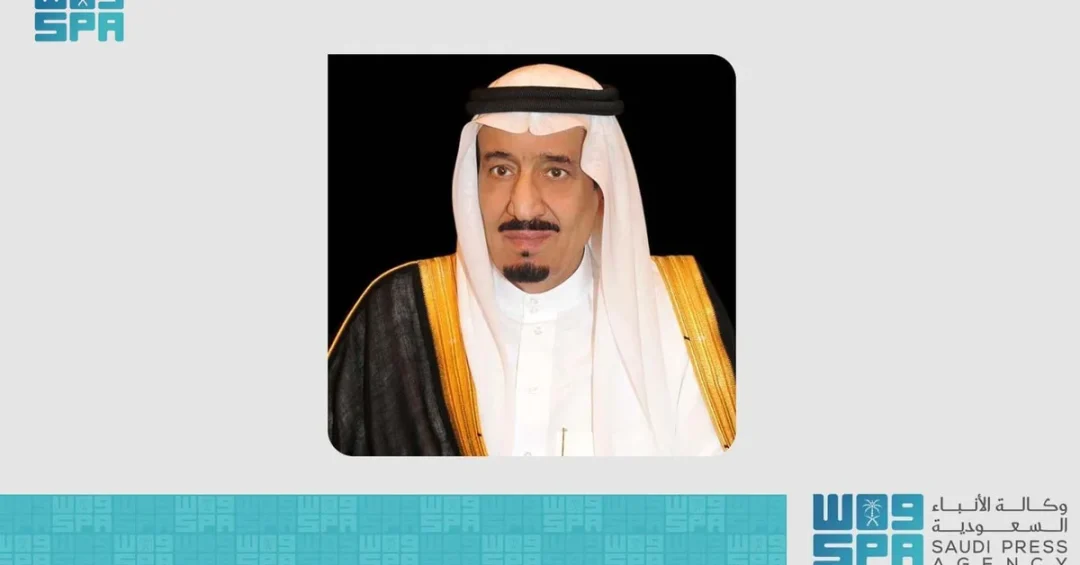
Under the patronage of the Custodian of the Two Holy Mosques, King Salman bin Abdulaziz Al Saud, Imam Muhammad Ibn Saud Islamic University (IMSIU) will host the Third International Conference on the History of King Abdulaziz tomorrow in Riyadh. The conference, titled “The Economy in the Reign of King Abdulaziz: Empowerment, Development, and Sustainability,” is set to take place at the university’s headquarters, bringing together scholars and specialists from within the Kingdom and abroad.
Context and Background
The conference aims to explore the pioneering economic approaches of King Abdulaziz, the founder of modern Saudi Arabia, whose leadership laid the groundwork for the nation’s transformation. Scheduled for January 27, 2025, at 1:00 PM in the Conference Hall on the IMSIU campus in Riyadh, this event is part of a series that highlights historical perspectives on the Kingdom’s development. The Saudi Press Agency (SPA) reported that the conference will feature scholarly papers examining various aspects of King Abdulaziz’s economic policies and their lasting impact on the country’s growth trajectory.
Key Details
The conference will cover a range of topics integral to understanding the economic history of Saudi Arabia under King Abdulaziz. These include the evolution of oil policies during his reign, a detailed analysis of his economic philosophies and their effects on the Kingdom’s economic transformation, and the challenges he encountered while developing the nation. Additionally, the conference will address sustainable economic development initiatives for Saudis under his leadership, particularly concerning the healthcare system, the economic significance of Jeddah Port during his rule, and the status of the livestock and fisheries economies during that period. The event brings together a distinguished group of researchers and specialists from within the Kingdom and abroad to present insights and ideas that shed light on King Abdulaziz’s role in laying the foundations for progress.
Implications and Impact
The conference underscores Saudi Arabia’s commitment to studying its historical foundations to inform contemporary policy and development. By examining the economic strategies of King Abdulaziz, scholars can draw lessons that support the Kingdom’s ongoing modernization efforts. This event also strengthens Saudi Arabia’s position as a center for academic research and dialogue, fostering international collaboration and knowledge exchange. The discussions will likely contribute to a deeper understanding of how historical economic policies can guide sustainable development in the region and beyond.
Vision 2030 Alignment
This conference directly aligns with Saudi Arabia’s Vision 2030 by highlighting the historical roots of the Kingdom’s economic empowerment, development, and sustainability. By revisiting the economic foundations laid by King Abdulaziz, the event reinforces the Vision’s goals of diversifying the economy, promoting sustainable development, and building a knowledge-based society. The insights generated through these scholarly discussions will support ongoing efforts to achieve the Vision’s ambitious targets, demonstrating the continuity of wise leadership from the Kingdom’s founding to its present-day transformation.
20 Questions
Q1. Who is patronizing the Third International Conference on the History of King Abdulaziz?
A1. The Custodian of the Two Holy Mosques, King Salman bin Abdulaziz Al Saud, is the patron of this conference, reflecting the Saudi leadership’s support for academic and historical research.
Q2. What is the title of the conference?
A2. The conference is titled “The Economy in the Reign of King Abdulaziz: Empowerment, Development, and Sustainability,” focusing on economic policies and their lasting impact.
Q3. Which university is hosting the conference?
A3. Imam Muhammad Ibn Saud Islamic University (IMSIU) is hosting the conference at its headquarters in Riyadh, bringing together scholars from around the world.
Q4. When will the conference take place?
A4. The conference is scheduled for tomorrow, January 27, 2025, starting at 1:00 PM local time in Riyadh, as announced by the Saudi Press Agency.
Q5. Where will the conference be held?
A5. The event will be held in the Conference Hall at the IMSIU university campus in Riyadh, the capital city of Saudi Arabia.
Q6. Who will participate in the conference?
A6. A distinguished group of researchers and specialists from within the Kingdom of Saudi Arabia and abroad will participate, presenting insights on King Abdulaziz’s economic legacy.
Q7. What is the main focus of the conference?
A7. The conference focuses on examining the economy during King Abdulaziz’s reign, including his economic philosophies, oil policies, and sustainable development initiatives.
Q8. What topics will the scholarly papers cover?
A8. Topics include the evolution of oil policies, economic philosophies, challenges in nation-building, healthcare system development, Jeddah Port’s significance, and livestock and fisheries economies.
Q9. Why is King Abdulaziz’s economic approach considered pioneering?
A9. King Abdulaziz’s approach laid the foundations for modern Saudi Arabia’s economy, emphasizing empowerment, development, and sustainability, which continue to influence national policies today.
Q10. How does the conference relate to oil policy evolution?
A10. The conference will discuss how oil policies evolved during King Abdulaziz’s reign, highlighting his strategic decisions that shaped the Kingdom’s energy sector and global standing.
Q11. What role did Jeddah Port play in King Abdulaziz’s economy?
A11. Jeddah Port was a significant economic hub during King Abdulaziz’s rule, facilitating trade and supporting the Kingdom’s economic transformation, as examined in the conference.
Q12. How were the healthcare system and sustainability addressed under King Abdulaziz?
A12. King Abdulaziz initiated sustainable economic development for Saudis, including healthcare system improvements, demonstrating early commitment to social welfare and public health.
Q13. What are the livestock and fisheries economies discussed at the conference?
A13. The conference will explore the status of livestock and fisheries during King Abdulaziz’s reign, highlighting their contributions to the Kingdom’s economic diversification and food security.
Q14. Is this the first conference of its kind?
A14. No, this is the Third International Conference on the History of King Abdulaziz, indicating ongoing academic interest in the founder’s legacy and its relevance to modern Saudi Arabia.
Q15. How does the conference support Vision 2030?
A15. The conference aligns with Vision 2030 by revisiting historical economic foundations, promoting sustainable development, and fostering knowledge-based society goals central to the Vision.
Q16. What is the role of the Saudi Press Agency in this event?
A16. The Saudi Press Agency (SPA) reported the conference details, ensuring that official information reaches the public through reliable and authoritative channels.
Q17. How does the conference reflect Saudi Arabia’s global engagement?
A17. By bringing together international researchers and specialists, the conference showcases Saudi Arabia’s commitment to academic collaboration and dialogue on historical and economic issues.
Q18. What challenges did King Abdulaziz face in developing the nation?
A18. The conference will examine challenges King Abdulaziz encountered while building the nation, including economic hurdles and infrastructure development, offering lessons for contemporary governance.
Q19. How can the public benefit from the conference outcomes?
A19. The scholarly insights and ideas presented at the conference will contribute to a deeper understanding of Saudi Arabia’s economic history, informing policy and educational efforts.
Q20. What is the significance of King Abdulaziz’s economic philosophies today?
A20. King Abdulaziz’s economic philosophies, emphasizing empowerment and sustainability, remain relevant as Saudi Arabia pursues Vision 2030, demonstrating continuity in wise leadership and strategic planning.
Reader Feedback
We value your thoughts. Please share your feedback on this article.
Your feedback helps us improve our coverage.