


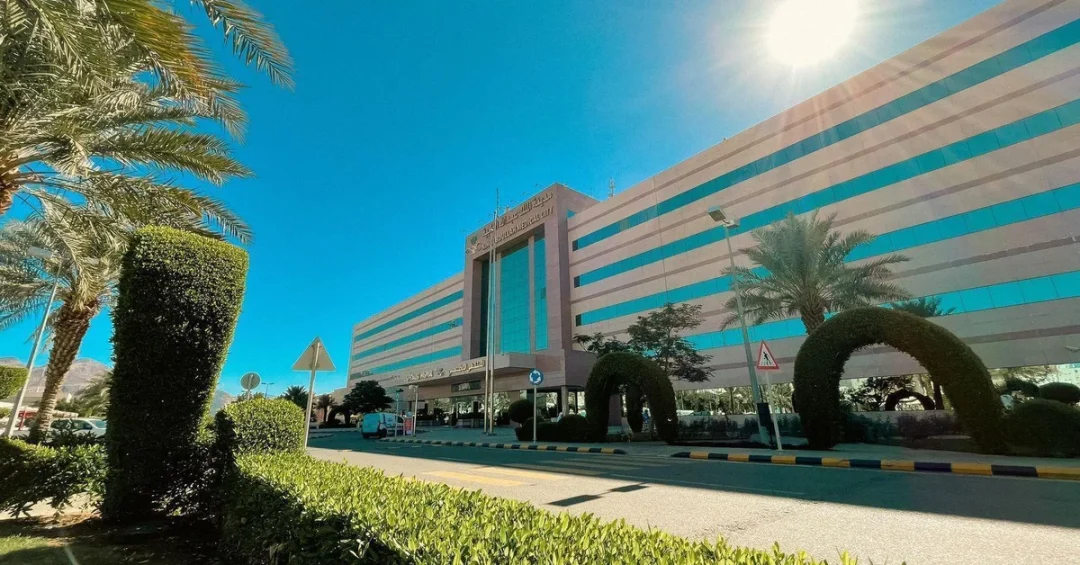
King Abdullah Medical City in Makkah saved the lives of 265 patients in 2024, according to an announcement by the Makkah Health Cluster. The life-saving interventions included 155 stroke patients treated through urgent cerebral catheterization and 110 individuals suffering from cerebral hemorrhage due to aneurysms and arteriovenous malformations. The patients comprised pilgrims, Umrah performers, citizens, and residents, highlighting the facility’s role in serving both local and international communities.
Context and Background
The King Abdullah Medical City, established in 2015, is the first medical facility of its kind in western Saudi Arabia. It has since become a regional leader in providing advanced care for critical neurological conditions. The hospital operates under the Makkah Health Cluster, which is part of the Ministry of Health’s broader strategy to modernize healthcare delivery across the Kingdom. The city’s interventional neuroradiology department operates around the clock, staffed by a highly skilled team of consultants, technicians, nurses, and anesthesiologists.
Key Details
The number of stroke patients treated through catheterization has significantly increased from 50 cases in 2021 to 155 in 2024, reflecting substantial advancements in healthcare delivery. This progress is attributed to continuous support from the Ministry of Health and the Makkah Health Cluster to ensure rapid intervention and increased success rates. The hospital’s ability to treat complex cases, such as cerebral hemorrhages due to aneurysms and arteriovenous malformations, underscores its expertise in managing life-threatening neurological emergencies.
Implications and Impact
This achievement highlights the Kingdom’s growing capacity to provide world-class healthcare, particularly in the holy city of Makkah, which hosts millions of pilgrims and Umrah performers annually. By saving 265 lives in a single year, King Abdullah Medical City has demonstrated its critical role in reducing mortality and minimizing long-term health complications. The facility’s success also supports Saudi Arabia’s broader health tourism objectives, ensuring that both residents and visitors have access to advanced medical care.
Vision 2030 Alignment
This life-saving milestone directly supports Saudi Vision 2030’s health sector goals, which aim to enhance the quality of life, expand access to specialized medical services, and improve healthcare outcomes for all. King Abdullah Medical City’s achievements reflect the Kingdom’s commitment to building a world-class healthcare system that serves both its citizens and the global community. As Saudi Arabia continues to invest in medical infrastructure and innovation, facilities like this will play a pivotal role in achieving the Vision’s ambitious targets.
20 Questions
Q1. How many lives did King Abdullah Medical City save in 2024?
A1. King Abdullah Medical City saved 265 lives in 2024, according to the Makkah Health Cluster, through advanced neurological interventions for stroke and cerebral hemorrhage patients.
Q2. What types of patients were saved by King Abdullah Medical City in 2024?
A2. The saved patients included pilgrims, Umrah performers, citizens, and residents, demonstrating the hospital’s inclusive care for both local and international communities in Makkah.
Q3. What medical procedures were used to save these lives?
A3. The hospital performed urgent cerebral catheterization for 155 stroke patients and treated 110 individuals suffering from cerebral hemorrhage due to aneurysms and arteriovenous malformations.
Q4. How has the number of stroke catheterization cases changed since 2021?
A4. The number of stroke patients treated through catheterization increased from 50 cases in 2021 to 155 in 2024, reflecting significant advancements in healthcare delivery.
Q5. When was King Abdullah Medical City established?
A5. King Abdullah Medical City was established in 2015, making it the first medical facility of its kind in western Saudi Arabia, specializing in advanced neurological care.
Q6. Which health cluster oversees King Abdullah Medical City?
A6. The hospital is part of the Makkah Health Cluster, which coordinates healthcare services in the region under the Ministry of Health’s strategic framework.
Q7. What is the role of the interventional neuroradiology department?
A7. The interventional neuroradiology department operates around the clock with a skilled team of consultants, technicians, nurses, and anesthesiologists to provide rapid, life-saving interventions.
Q8. Why is this achievement important for pilgrims and Umrah performers?
A8. Makkah hosts millions of pilgrims annually, and having advanced medical facilities like King Abdullah Medical City ensures they receive world-class care during their religious visits.
Q9. How does this achievement support Saudi Vision 2030?
A9. It directly supports Vision 2030’s health sector goals by improving quality of life, expanding access to specialized services, and enhancing healthcare outcomes for all.
Q10. What is cerebral catheterization?
A10. Cerebral catheterization is a minimally invasive procedure used to treat stroke by removing clots or repairing blood vessels in the brain, often performed urgently to save lives.
Q11. What conditions caused the cerebral hemorrhages treated in 2024?
A11. The hemorrhages were caused by aneurysms and arteriovenous malformations, which are abnormal blood vessel structures that can rupture and lead to life-threatening bleeding.
Q12. What is the Ministry of Health’s role in this achievement?
A12. The Ministry of Health provided continuous support to the Makkah Health Cluster and King Abdullah Medical City, ensuring rapid intervention protocols and increased success rates.
Q13. Is King Abdullah Medical City the only such facility in the region?
A13. Yes, established in 2015, it was the first of its kind in western Saudi Arabia and has become a regional leader in advanced neurological care for critical conditions.
Q14. What staff members are part of the interventional neuroradiology team?
A14. The team includes consultants, technicians, nurses, and anesthesiologists, all highly skilled and working around the clock to provide life-saving treatments.
Q15. How does this achievement benefit the local community?
A15. It reduces mortality and minimizes long-term health complications for residents in Makkah and the surrounding region, improving overall community health outcomes.
Q16. What is the significance of the increase from 50 to 155 stroke cases?
A16. The increase reflects the hospital’s growing capacity, advanced technology, and successful protocols for treating stroke, saving more lives and reducing disability.
Q17. Does King Abdullah Medical City treat international patients?
A17. Yes, the hospital treats pilgrims and Umrah performers from around the world, supporting Saudi Arabia’s health tourism and its role as a global healthcare destination.
Q18. What is an aneurysm?
A18. An aneurysm is a bulge in a blood vessel that can rupture, causing severe bleeding in the brain. King Abdullah Medical City treats such conditions with advanced interventional procedures.
Q19. How does this achievement reflect Saudi Arabia’s healthcare modernization?
A19. It showcases the Kingdom’s investment in specialized medical infrastructure, trained personnel, and rapid-response systems, aligning with Vision 2030’s healthcare transformation.
Q20. What future developments can be expected from King Abdullah Medical City?
A20. The hospital is expected to continue expanding its services, treating more complex neurological cases, and contributing to Saudi Arabia’s goal of becoming a global leader in healthcare.
Reader Feedback
We value your thoughts. Please share your feedback on this article.
Your feedback helps us improve our coverage.