


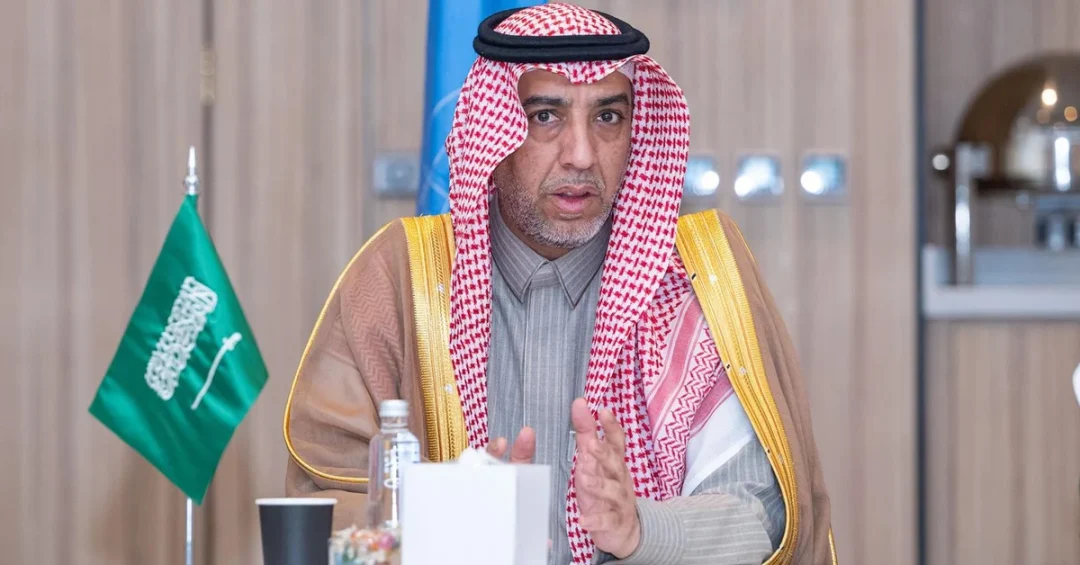
The Kingdom of Saudi Arabia, represented by the General Authority of Civil Aviation (GACA), hosted the 11th meeting of the Executive Steering Committee of the Cooperative Aviation Security Programme Middle East (CASP-MID) in Riyadh on January 29, 2025. The event was chaired by Mohammed Alfozan, GACA’s Executive Vice President for Aviation Security and CASP-MID Chairman, alongside Mohamed Abubaker Farea, Regional Director for the Middle East Regional Office of the International Civil Aviation Organization (ICAO). This gathering underscores Saudi Arabia’s ongoing commitment to strengthening aviation security cooperation across the region.
Context and Background
CASP-MID is a collaborative initiative established under ICAO’s framework to enhance civil aviation security among Middle Eastern states. The program focuses on sharing best practices, coordinating responses to threats, and building capacity among member nations. This 11th meeting comes at a time when global air travel is rebounding, making robust security measures increasingly vital. Saudi Arabia’s role as host reflects its proactive leadership in the sector, aligning with its broader efforts to modernize aviation infrastructure under Vision 2030.
Key Details
The meeting included high-level delegations from ICAO, the Arab Civil Aviation Organization (ACAO), and various supporting international bodies. Representatives from seven countries participated: Saudi Arabia, Egypt, Jordan, Libya, Lebanon, Sudan, and Yemen. In his opening remarks, Executive Vice President Alfozan emphasized the significance of these regular meetings in addressing key issues related to civil aviation security. He noted that continued participation from member states is crucial for fostering greater cooperation and improving aviation security both regionally and globally, ultimately contributing to a secure future for civil aviation.
Implications and Impact
Participants praised the accomplishments of CASP-MID over the past year, acknowledging the Kingdom’s leadership in advancing aviation security in the region. The meeting highlighted Saudi Arabia’s ongoing support for member states and the program’s initiatives, which are vital to safeguarding civil aviation from potential threats or illegal interference. This collaboration strengthens regional ties and enhances the collective ability to mitigate risks, which is especially important for international travelers and investors who rely on safe air travel infrastructure.
Vision 2030 Alignment
Saudi Arabia’s hosting of the CASP-MID meeting directly supports the goals of Vision 2030 by reinforcing the Kingdom’s status as a global aviation hub. By promoting security cooperation and modernization, Saudi Arabia is building the foundation for a safer, more efficient aviation sector that can accommodate increased traffic and tourism. This initiative exemplifies the Kingdom’s strategy to foster international partnerships and drive regional stability, ensuring a prosperous and secure future for civil aviation.
20 Questions
Q1. What was the purpose of the 11th meeting of CASP-MID?
A1. The meeting aimed to address key issues in civil aviation security, foster cooperation among member states, and review progress on initiatives to safeguard air travel from threats.
Q2. Which Saudi authority represented the Kingdom at the meeting?
A2. The General Authority of Civil Aviation (GACA) represented Saudi Arabia, with its Executive Vice President for Aviation Security chairing the session.
Q3. Who chaired the meeting?
A3. The meeting was chaired by Mohammed Alfozan, GACA’s Executive Vice President for Aviation Security and CASP-MID Chairman, alongside ICAO’s regional director.
Q4. What is CASP-MID?
A4. The Cooperative Aviation Security Programme Middle East (CASP-MID) is a collaborative effort under ICAO to enhance aviation security through shared practices and capacity building among Middle Eastern nations.
Q5. How many countries participated in the meeting?
A5. Representatives from seven countries took part: Saudi Arabia, Egypt, Jordan, Libya, Lebanon, Sudan, and Yemen.
Q6. What international organizations were involved besides GACA?
A6. The International Civil Aviation Organization (ICAO) and the Arab Civil Aviation Organization (ACAO) were among the key organizations participating.
Q7. What did participants acknowledge about the Kingdom’s role?
A7. Participants praised Saudi Arabia’s leadership in advancing aviation security and its support for member states and program initiatives.
Q8. Why is aviation security important for Saudi Arabia’s Vision 2030?
A8. Enhanced aviation security supports Saudi Arabia’s goal to become a global aviation hub, attracting more tourists and investors as part of economic diversification.
Q9. What did Mohammed Alfozan emphasize during the meeting?
A9. He emphasized the importance of regular meetings and continued participation for fostering cooperation and improving aviation security regionally and globally.
Q10. How does the meeting impact regional cooperation?
A10. It strengthens ties among member states by promoting shared security protocols and collaborative threat management, enhancing overall regional stability.
Q11. What global security challenges does CASP-MID address?
A11. The program addresses potential threats like terrorism and illegal interference, helping civil aviation systems stay resilient against modern risks.
Q12. Was this the first time Saudi Arabia hosted such a meeting?
A12. No, Saudi Arabia has hosted previous CASP-MID meetings, reflecting its ongoing commitment to regional aviation security leadership.
Q13. What is the role of ICAO in CASP-MID?
A13. ICAO provides a global framework and support, with its regional office contributing expertise and coordination for the program’s activities.
Q14. How often are these meetings held?
A14. The meetings are held regularly as part of the CASP-MID work plan, with the executive committee convening annually or more frequently as needed.
Q15. What specific accomplishments were praised at the meeting?
A15. Participants praised progress in sharing best practices and implementing initiatives that have improved aviation security across member states over the past year.
Q16. How does the meeting benefit international travelers?
A16. By enhancing security measures and cooperation, the meeting helps ensure safer air travel for passengers and cargo, building confidence in the region’s airports.
Q17. What is the connection to the Arab Civil Aviation Organization?
A17. ACAO contributes regional expertise and coordinates efforts among Arab states, linking CASP-MID initiatives with broader Arab aviation policies.
Q18. Does the meeting involve sharing technical information?
A18. Yes, participants discuss technical best practices and security protocols to address evolving threats effectively.
Q19. How does this align with international security standards?
A19. CASP-MID aligns with ICAO’s global standards, ensuring member states can meet and exceed international civil aviation security requirements.
Q20. What is the long-term goal of CASP-MID?
A20. The program aims to achieve a secure future for civil aviation by fostering lasting cooperation and resilience against potential threats across the Middle East.
Reader Feedback
We value your thoughts. Please share your feedback on this article.
Your feedback helps us improve our coverage.