


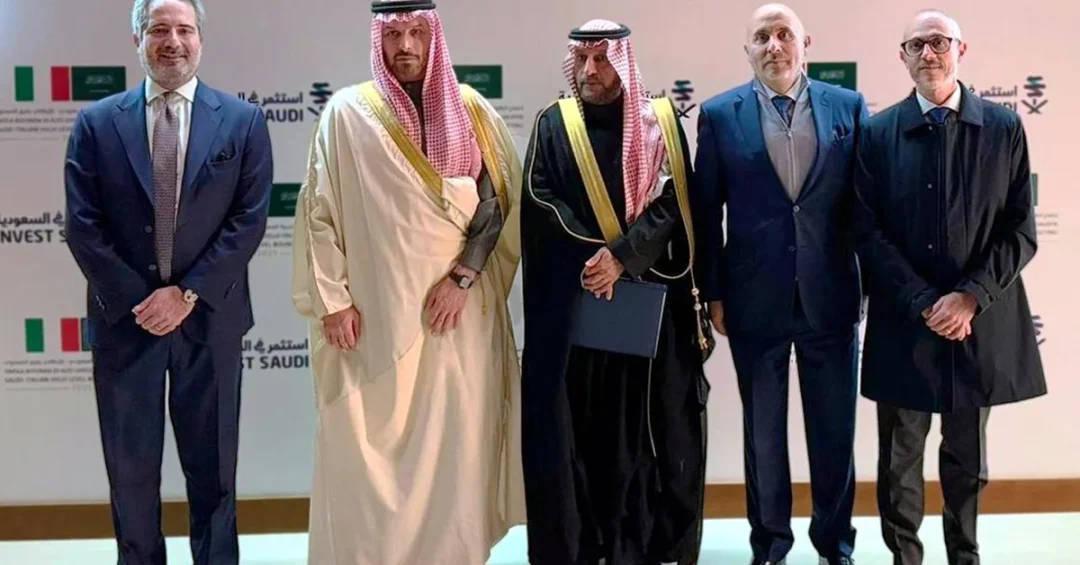
King Abdullah University of Science and Technology (KAUST) has signed a memorandum of understanding (MoU) with Italian shipbuilding leader Fincantieri to bolster cybersecurity cooperation in maritime applications, including the monitoring and protection of onboard automation systems. The agreement, announced on January 29, 2025, via the Saudi Press Agency, underscores Saudi Arabia’s growing role in global technological innovation and maritime security. KAUST, an international research institution and center of excellence, will combine its academic expertise with Fincantieri’s industrial leadership to address emerging cybersecurity threats in the maritime sector.
Context and Background
The maritime industry faces increasing cybersecurity risks as ships become more digitally connected and reliant on automated systems. This MoU reflects a strategic response to these challenges, aligning with Saudi Arabia’s Vision 2030 goals of diversifying the economy and advancing technological capabilities. KAUST, based in Thuwal, is a key driver of research and innovation in the Kingdom, while Fincantieri is one of the world’s largest shipbuilders, with a strong focus on secure and sustainable maritime solutions.
Key Details
The partnership will focus on developing advanced cybersecurity measures for onboard automation systems, monitoring suspicious activities, and ensuring the resilience of vessel operations. By leveraging KAUST’s research strength in cybersecurity and Fincantieri’s deep industrial knowledge, the collaboration aims to set new standards for safeguarding maritime digital infrastructure. The MoU was signed in Jeddah, highlighting the Kingdom’s commitment to fostering international cooperation in cutting-edge fields.
Implications and Impact
This agreement positions Saudi Arabia at the forefront of maritime cybersecurity, enhancing the security of global shipping lanes and trade routes. It also strengthens ties between Saudi and Italian industries, promoting knowledge exchange and joint innovation. As the maritime sector adopts more smart technologies, such collaborations are critical to preventing cyber attacks that could disrupt supply chains or compromise safety.
Vision 2030 Alignment
The partnership directly supports Vision 2030’s objectives of building a knowledge-based economy and diversifying Saudi Arabia’s industrial base. By investing in cybersecurity research and international alliances, KAUST exemplifies how Saudi institutions are driving technological sovereignty and economic resilience. This MoU not only secures maritime operations but also reinforces the Kingdom’s role as a hub for innovation, contributing to a sustainable and prosperous future under Vision 2030.
20 Questions
Q1. What is the main purpose of the KAUST-Fincantieri MoU?
A1. The MoU aims to enhance cooperation in cybersecurity for maritime applications, focusing on protecting onboard automation systems and monitoring potential cyber threats.
Q2. Who are the two parties involved?
A2. The parties are King Abdullah University of Science and Technology (KAUST), a Saudi research institution, and Fincantieri, an Italian shipbuilding company.
Q3. When was the MoU signed?
A3. The MoU was announced on January 29, 2025, and signed in Jeddah, Saudi Arabia.
Q4. What is KAUST’s role in this collaboration?
A4. KAUST brings its academic expertise and research capabilities in cybersecurity and technological innovation to address maritime sector challenges.
Q5. What is Fincantieri’s contribution?
A5. Fincantieri provides industrial leadership and deep knowledge of shipbuilding and maritime systems to the partnership.
Q6. Why is cybersecurity important in the maritime sector?
A6. As ships become more digitized, cybersecurity is vital to protect automated systems from attacks that could disrupt operations or safety.
Q7. How does this MoU support Saudi Arabia’s goals?
A7. It aligns with Vision 2030 by promoting technological diversification, knowledge transfer, and international collaboration in advanced fields.
Q8. Where was the MoU signed?
A8. The signing took place in Jeddah, a key city in Saudi Arabia’s economic and technological landscape.
Q9. What specific area of cybersecurity will be addressed?
A9. The focus is on monitoring and protecting onboard automation systems used in maritime vessels.
Q10. Is this the first collaboration between Saudi and Italian entities?
A10. No, but it strengthens existing ties between the two nations in industrial and technological sectors.
Q11. How does this benefit the global maritime industry?
A11. It enhances global maritime security by developing advanced solutions to protect shipping lanes and trade routes from cyber threats.
Q12. What is KAUST known for?
A12. KAUST is known as an international research university and a center of excellence in science and technology innovation.
Q13. What is the long-term goal of this partnership?
A13. The goal is to set new standards for maritime cybersecurity and ensure resilient vessel operations in a digital age.
Q14. Does this agreement involve any financial commitment?
A14. The announcement did not disclose specific financial terms; it focuses on research and technical cooperation.
Q15. How does this relate to Vision 2030?
A15. Vision 2030 emphasizes economic diversification and innovation; this MoU contributes by building cybersecurity expertise and global partnerships.
Q16. Will this create new jobs in Saudi Arabia?
A16. Yes, by developing expertise in cybersecurity and maritime technologies, it can support talent development and employment in high-tech fields.
Q17. Is cybersecurity a growing concern for ships?
A17. Yes, as ships adopt more automated and interconnected systems, cyber attacks on navigation, cargo, or communication systems are increasing.
Q18. How does this initiative promote Saudi-Italian relations?
A18. It deepens bilateral cooperation in technology and industry, fostering mutual innovation and strategic ties between the two countries.
Q19. When will the collaboration start producing results?
A19. Specific timelines were not provided, but research and development activities are expected to begin promptly.
Q20. Can this model be applied to other sectors?
A20. Yes, the partnership model between academia and industry can be replicated in other fields like energy, healthcare, or logistics.
Reader Feedback
We value your thoughts. Please share your feedback on this article.
Your feedback helps us improve our coverage.