


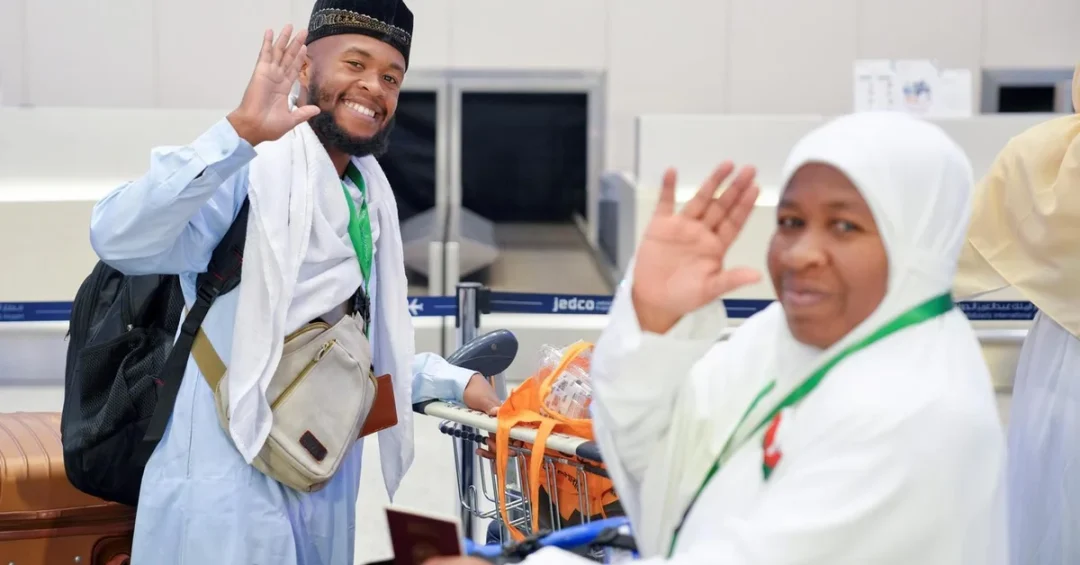
The third batch of guests under the Custodian of the Two Holy Mosques Program for Umrah and Visit has departed from Saudi Arabia after completing their spiritual journey. The group, comprising 250 Umrah performers from 18 African countries, was honored by the Ministry of Islamic Affairs, Dawah, and Guidance, which implemented the program, and bade farewell at King Abdulaziz International Airport in Jeddah.
Context and Background
The Custodian of the Two Holy Mosques Program for Umrah and Visit is a flagship initiative launched under the patronage of King Salman bin Abdulaziz Al Saud. It aims to enable Muslims from around the world to perform Umrah and visit the Prophet’s Mosque in Madinah, with all expenses covered by the Saudi government. The program reflects the Kingdom’s longstanding commitment to serving Islam and facilitating religious tourism, aligning with the broader goals of Vision 2030 to enhance the spiritual experience of pilgrims and promote cultural exchange.
Key Details
The third batch for the year 1446 AH included 250 participants from Egypt, Morocco, Tunisia, Algeria, Mali, Senegal, Cameroon, Chad, Kenya, Nigeria, Uganda, South Africa, Madagascar, Ethiopia, Mauritius, Guinea, Mozambique, and Mauritania. Ministry officials oversaw the departure procedures, ensuring a smooth transition. The guests expressed profound gratitude for the hospitality and the seamless services provided, which included access to historical and religious sites, exhibitions, and museums. They specifically praised the efforts of the Custodian of the Two Holy Mosques and His Royal Highness the Crown Prince for facilitating their journey and ensuring their well-being throughout the visit.
Implications and Impact
This program underscores Saudi Arabia’s role as a global leader in Islamic hospitality and its commitment to fostering unity among Muslims worldwide. By regularly hosting pilgrims from diverse nations, the Kingdom strengthens diplomatic and cultural ties, particularly with African countries. The initiative also bolsters Saudi Arabia’s reputation as a welcoming destination for religious tourism, contributing to the country’s economic diversification efforts under Vision 2030. The positive feedback from participants highlights the effectiveness of the Kingdom’s infrastructure in managing large-scale religious visits.
Vision 2030 Alignment
The ongoing success of the Custodian of the Two Holy Mosques Program directly supports Vision 2030’s objectives of enhancing the pilgrimage experience and positioning Saudi Arabia as a hub for Islamic culture and tourism. By expanding access to Umrah and religious visits, the Kingdom not only fulfills its spiritual duty but also promotes cultural understanding and economic growth. As the program continues, it reinforces Saudi Arabia’s long-term vision of a globally connected and prosperous society, rooted in Islamic values and open to the world.
20 Questions
Q1. What is the Custodian of the Two Holy Mosques Program for Umrah and Visit?
A1. It is a Saudi government initiative that funds Umrah and visit trips for Muslims worldwide, covering travel, accommodation, and spiritual guidance to perform rituals in Makkah and Madinah.
Q2. Who implements the program?
A2. The program is implemented by the Ministry of Islamic Affairs, Dawah, and Guidance, which coordinates all logistics and hospitality for the guests.
Q3. How many guests were in the third batch?
A3. The third batch consisted of 250 Umrah performers from 18 African countries, as announced by the Saudi Press Agency.
Q4. Which countries were included in the third batch?
A4. The 18 countries are Egypt, Morocco, Tunisia, Algeria, Mali, Senegal, Cameroon, Chad, Kenya, Nigeria, Uganda, South Africa, Madagascar, Ethiopia, Mauritius, Guinea, Mozambique, and Mauritania.
Q5. When did the third batch depart?
A5. The guests completed their departure in early February 2025, after performing Umrah and visiting the Prophet’s Mosque.
Q6. Where did the departure take place?
A6. Ministry officials bid farewell to the guests at King Abdulaziz International Airport in Jeddah.
Q7. What did the guests do during their visit?
A7. They performed Umrah, visited the Prophet’s Mosque, prayed in Al-Rawdah Al-Sharifa, and explored historical sites, exhibitions, and museums.
Q8. How did the guests describe their experience?
A8. They expressed gratitude for the generous hospitality and praised the seamless services and facilities that ensured a smooth and spiritually enriching experience.
Q9. Who did the guests acknowledge in their thanks?
A9. They prayed for the Custodian of the Two Holy Mosques and HRH the Crown Prince, acknowledging their efforts in facilitating the journey and ensuring visitors’ well-being.
Q10. What is the purpose of the program?
A10. The program aims to enable Muslims from around the world to perform Umrah and visit the Prophet’s Mosque, fostering spiritual connection and cultural exchange.
Q11. How does the program support Vision 2030?
A11. It enhances the pilgrimage experience, promotes religious tourism, and strengthens Saudi Arabia’s global role in Islamic hospitality and economic diversification.
Q12. How many guests have participated so far?
A12. The article mentions the third batch; cumulative numbers are not specified, but the program runs multiple batches annually.
Q13. Are the guests selected from specific regions?
A13. Yes, each batch focuses on different regions; this batch targeted African countries to promote inclusivity.
Q14. What services are provided to guests? A14. Guests receive full hospitality including flights, accommodation, meals, transport, and guided spiritual tours under the care of ministry officials.
Q15. How long do the guests stay?
A15. The article does not specify exact duration, but the program typically lasts one to two weeks for Umrah and visits.
Q16. Is the program ongoing?
A16. Yes, the program continues to operate throughout the year, with multiple batches scheduled for 1446 AH.
Q17. What is the role of the Ministry of Islamic Affairs?
A17. The ministry oversees the implementation, coordination, and welfare of guests, ensuring all needs are met.
Q18. How does this program benefit Saudi Arabia’s image?
A18. It showcases Saudi Arabia’s generosity and commitment to Islam, strengthening diplomatic and cultural ties with participating countries.
Q19. Are there similar programs for other religious activities?
A19. The Custodian of the Two Holy Mosques also sponsors the Hajj program, with similar hospitality for pilgrims.
Q20. How can one apply to be a guest?
A20. Applications are typically handled through official channels and nomination processes by ministries in partner countries; details are announced by Saudi authorities.
Reader Feedback
We value your thoughts. Please share your feedback on this article.
Your feedback helps us improve our coverage.